A video call freezing in the evening, rising lag in an online game or cloud files opening slowly at the office are often about more than just “low speed.” A proper internet service provider evaluation means looking beyond the Mbps figure printed on the package. When infrastructure, usage habits, modem setup, customer support and total cost are considered together, it becomes clear what you should expect from your connection.
A household where people are streaming shows, studying and gaming at the same time has different expectations from a small business team using POS terminals, cameras, email and cloud applications. That's why, instead of picking the package with the biggest numbers, it makes more sense to compare the service that can actually be delivered at your address and the solution that suits your daily use.
Why does an internet service provider evaluation start with infrastructure?
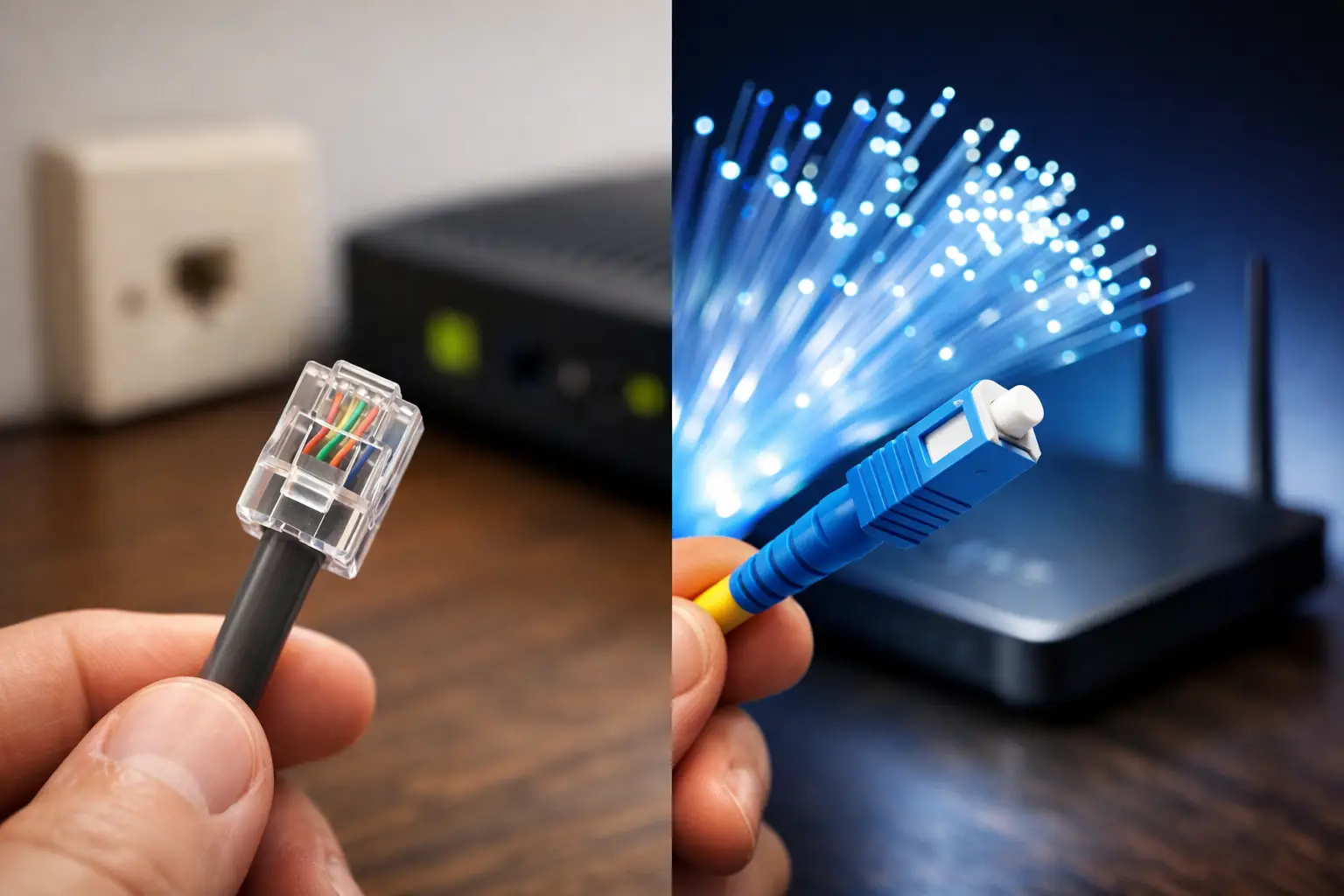
The factor that affects your internet experience the most is the type of infrastructure reaching your building and address. Because fiber internet carries data using light signals, it can deliver high speeds and more consistent performance under heavy use. Fiber infrastructure is a significant advantage especially for people working from home, those streaming in high resolution, online gamers and households with many devices.
VDSL, on the other hand, is an option that can reach higher speeds over existing telephone line infrastructure. At some addresses where fiber isn't available, it can be sufficient for everyday use, remote learning and standard office work. However, the distance to the exchange or street cabinet, the physical condition of the line and the in-building wiring can affect performance. As a result, even two neighbors on the same package may have different experiences.
Wireless internet solutions can be a practical alternative in areas where fixed infrastructure is limited. While they offer quick installation and wider reach, environmental conditions, coverage and usage density should be taken into account. The right question isn't “Which technology is better?” but “Which technology will deliver more consistent results at my address and for my usage?”
That's why checking infrastructure availability for your address before applying is a critical step. Deciding based on a promotional price alone, before the available technology, the estimated speed range and the installation conditions are clear, can lead to a gap between expectations and reality later on.
Upload speed and latency matter as much as speed
Internet packages are usually described by their download speed. This figure is decisive for watching videos, loading web pages, downloading files and consuming content. But for people who use their connection actively, upload speed becomes just as important. An architecture office sending large files, a business backing up to the cloud, a user live streaming or an employee who frequently joins video meetings will feel upload performance directly.
Latency should also be part of your evaluation. Latency is the time it takes for data to travel between your device and its destination on the internet and back. Online games, video calls, remote desktop connections and real-time payment systems benefit from low and consistent latency. What matters here isn't just a low number, but also having few sudden fluctuations throughout the day.
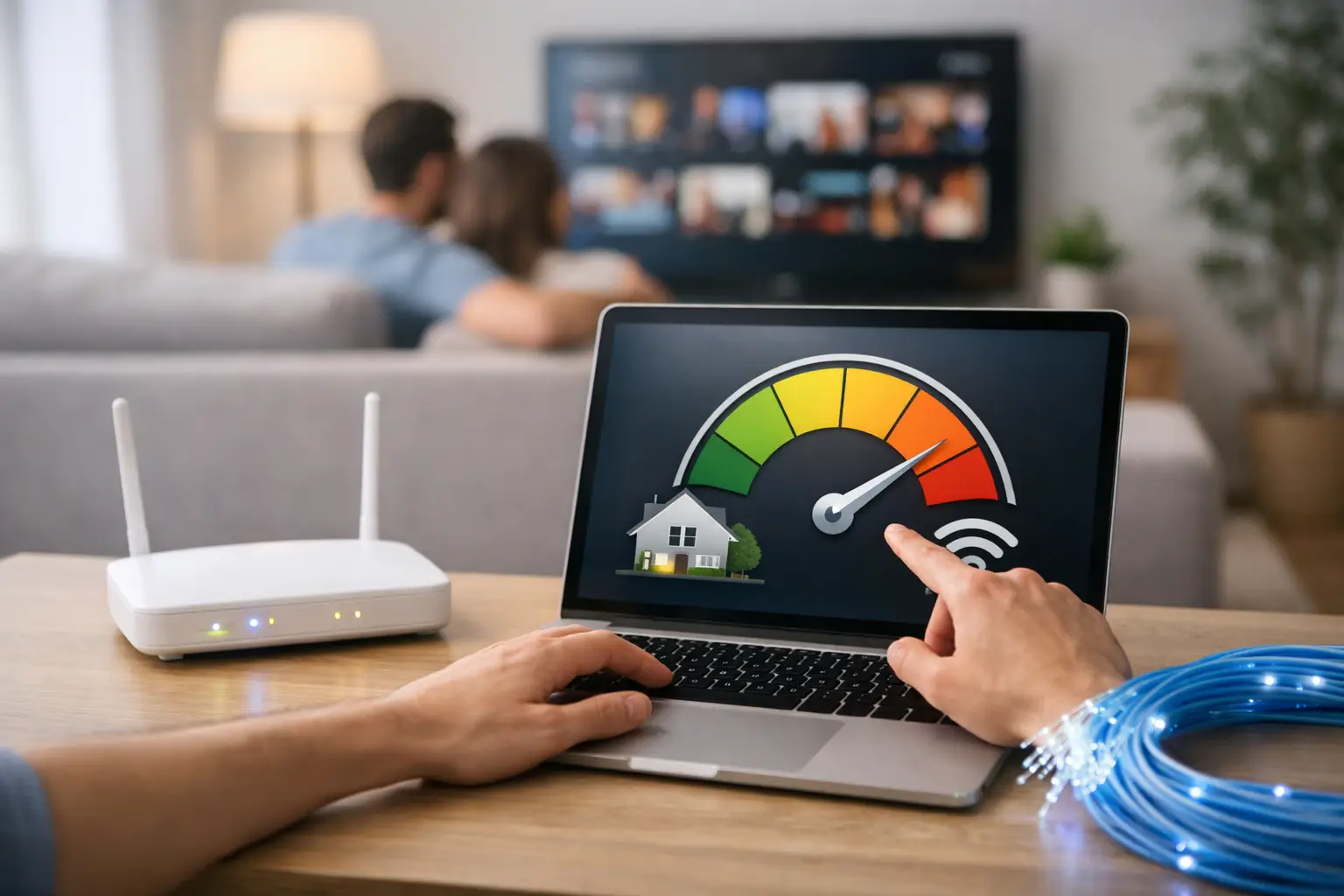
For home use, the speed you need depends on the number of devices and simultaneous use. Someone living alone with basic web use doesn't have the same needs as a family of four with a smart TV and a game console. For businesses, in addition to the number of employees, the number of IP cameras, cloud-based software, guest networks and remote access requirements should be taken into account.
Define your needs with everyday scenarios
When comparing packages, answer the question “How many Mbps is enough?” with concrete usage moments. How many people are on video calls at the same time, how many screens are streaming in high resolution, are large files uploaded regularly, and is the connection used heavily outside working hours too? These questions help you avoid both the performance problems of an underpowered package and the unnecessary cost of an oversized one.
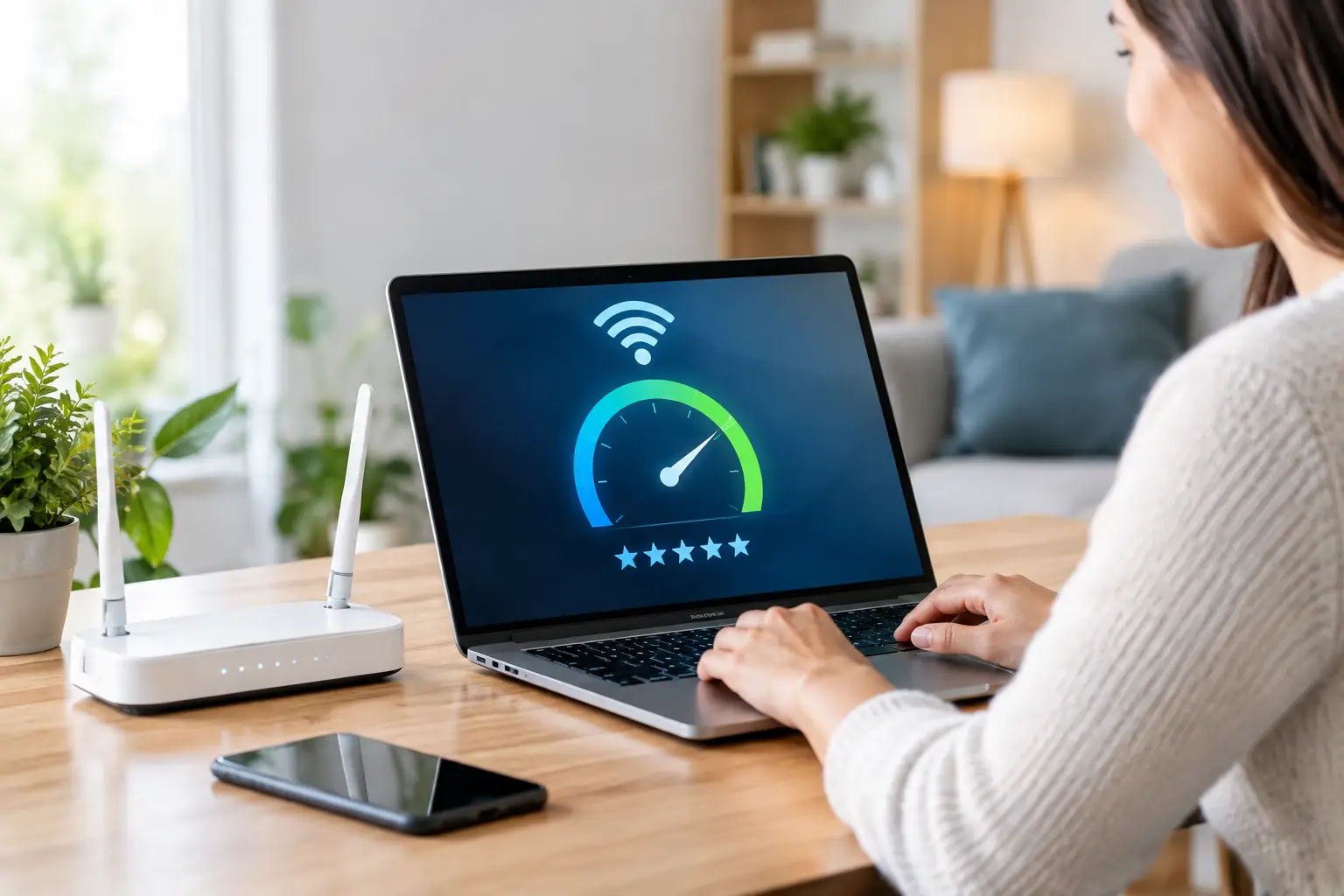
Another important point is your Wi-Fi connection. Even if your internet line is strong, the modem's location, the walls in your home, older devices or congestion on the wireless network can limit your experience. Especially in large homes and offices, modem placement and, if necessary, additional networking solutions should be considered. Distributing the connection properly throughout your space affects the result as much as your choice of provider.
Don't limit price to the monthly fee
A package that looks affordable may not always be the best value once you look at the total cost. Alongside the monthly fee, items such as installation, activation, modem, relocation, cancellation and contract terms should be reviewed clearly. Knowing how the price will change at the end of the promotional period also makes budget planning easier.
Contract packages can offer a price advantage for a set period. They can make sense for users with regular usage habits and no plans to move in the short term. On the other hand, people who are likely to move, those with seasonal usage or those who want more control over their budget may consider no-contract or prepaid options. The best choice isn't the same for everyone; the balance between flexibility and price advantage depends on your needs.
For businesses, downtime should also be factored into the cost evaluation. A lower monthly fee can make the expected savings meaningless if connection problems disrupt sales or prevent employees from doing their work. That's why, for business internet, service continuity, access to support and speed of resolution are as important as price.
Support quality shows when something goes wrong
The role of technical support in evaluating an internet service is usually overlooked until a problem comes up. Yet accessible support makes a big difference at moments like installation appointments, modem configuration, outages, speed drops or relocation requests. A good service experience means the user can find out what to do without any uncertainty.
24/7 technical support is reassuring, especially for people working from home and businesses operating outside regular hours. Beyond simply having a support channel, it's also important that requests are logged correctly and that the process can be tracked. When a fault ticket is opened, customers expect clear information, straightforward guidance when an on-site visit is needed and up-to-date status updates.
Digital channels are also part of this experience. Being able to manage billing, package details, application status, payments and support requests through a mobile app or online services saves time. Service models like Tepenet's, which support digital applications and e-Devlet approval, offer a practical option especially for users who want to get connected without dealing with paperwork.
Run a quick check before you decide
When comparing providers, evaluate four areas together: the infrastructure at your address, your actual usage needs, the total subscription cost and the accessibility of support channels. Skipping any one of these can lead to a choice that pleases you only in the first month but fails to meet your expectations in the long run.
Read speed figures in light of your usage scenario. Review the contract and promotion terms before applying. Plan where your modem will sit in your home or office. Finally, ask how much flexibility the service offers if things change, such as a move or a growing business.
The right internet isn't the one promising the highest number; it's the one that runs reliably at your address when you need it, is easy to manage and is reachable when you need support. When you make your decision based on these criteria, your connection stops being something that disrupts your daily life and becomes a reliable foundation that supports your work and communication.