
If video calls freeze in the evening, pages load slowly while the kids are streaming at the same time, or cloud-based programs lag at the office, the problem may not always be your package speed. When choosing among internet providers, looking only at the Mbps figure on the screen can lead to an unexpected experience later on. The right decision comes from weighing the infrastructure at your address, your usage habits, support quality and total cost together.
Why don't all internet providers offer the same experience?
The quality of an internet package is about more than the maximum promised speed. Two packages with the same speed can deliver different results because of the infrastructure used, the wiring in the building, modem performance and network congestion in the area. That's why you should first check your needs, and then the options actually available at your address.
For example, a 100 Mbps package may seem more than enough for one person's email and social media use. But if several people in the same home are gaming online, working remotely, streaming in high resolution and connecting smart devices, the needs change. For businesses, speed isn't the only concern. POS terminals, cloud backups, remote access, camera systems and video meetings make connection continuity even more critical.
When deciding, a better starting point is to ask "Which connection is the best fit for my usage, available to me and sustainable?" rather than "Which is the fastest?"
First, find out what infrastructure is available at your address
The first factor that determines your internet choice is infrastructure. Not every address has access to the same technology, so a package your friend is happy with may not perform the same way in your building. Running an address check before applying gives you clarity on the technology offered and the speeds you can actually get.
Fiber internet
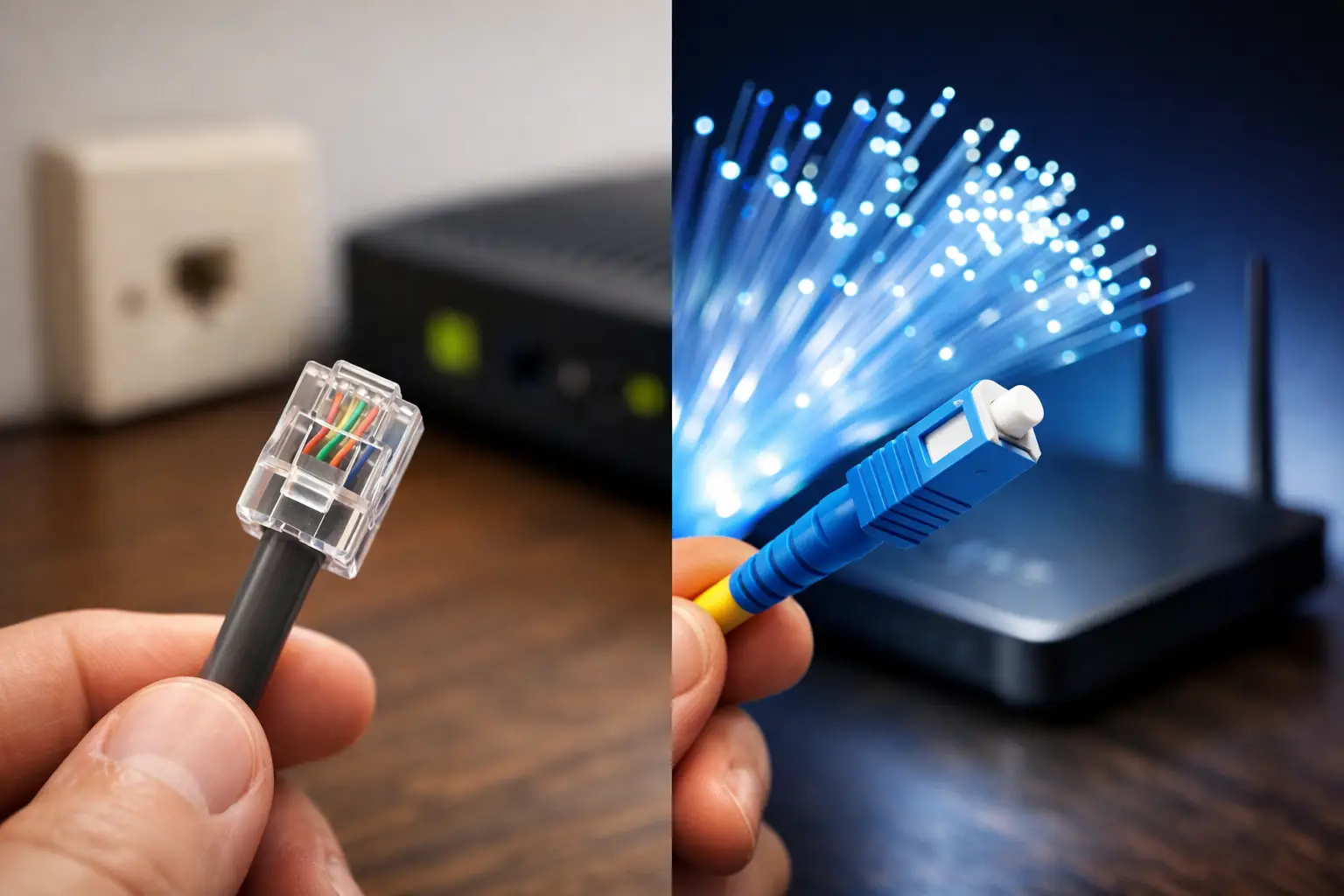
A fiber connection carries data over cables that transmit light signals. It's a strong option for users who want high speeds, lower latency and more balanced performance across multiple devices. It can be especially beneficial for remote workers, people who frequently upload large files, streamers and households with heavy digital use.
However, to benefit from fiber, the service needs to reach your building and, ideally, your apartment. Having fiber infrastructure in your neighborhood doesn't automatically mean you'll get the same performance inside your home. It's useful to learn about the installation scope and in-building connection conditions when you apply.
VDSL internet
VDSL is a technology that runs over existing telephone lines and, under the right conditions, can provide enough speed for everyday use. It can be a practical alternative at many addresses where fiber isn't available. With the right package, it can deliver satisfying results for video streaming, remote learning, web browsing and moderate household use.
The key variables here are the distance of your line from the street cabinet and the condition of the in-home wiring. With VDSL, there can be a gap between the theoretical speed and the speed measured at home. That's why you should consider the achievable speed when choosing a package.
Wireless internet
In locations where wired infrastructure is limited, wireless internet solutions are worth considering. They can be practical for local businesses that need a connection quickly, construction site offices or users with limited infrastructure options. Since performance can vary depending on location, line of sight, environmental obstacles and network conditions, a site survey and eligibility check are important.
When choosing a speed, think about upload as well as download
Internet packages are mostly judged by download speed. Yet upload speed directly affects your daily experience. Upload capacity comes into play when you send files to the cloud, turn on your camera in a video meeting, stream security camera footage or share videos on social media.
If your household mostly consumes content, download speed may be the priority. On the other hand, for a freelance designer, an instructor teaching online or a business constantly uploading e-commerce images, upload speed should also be a selection criterion. Latency is also decisive for online gaming, live calls and remote desktop applications.
When comparing packages, look at these four points together:
- The realistic maximum speed available at your address
- Whether the download and upload speeds suit your usage
- Your needs for using multiple devices
- Modem, Wi-Fi coverage and in-home installation conditions
This assessment keeps you from paying for a package you don't need or struggling with a connection that soon falls short.
Look at the total cost when comparing prices
The monthly fee is certainly important, but it shouldn't be your only point of comparison. Details such as installation, modem, activation, relocation, contract terms and promotion length all change the total cost. Knowing what an offer that looks attractive in the first few months will cost after the promotion ends helps you plan your budget more wisely.
Contract packages can offer more predictable pricing for those with a steady usage plan. On the other hand, users who may move, need a short-term connection or want more flexibility can consider no-contract and prepaid options. There's no single right answer here; the right option is the one that fits your lifestyle or the way your business runs.
For businesses, the price-performance calculation should be considered more broadly. When the connection drops, disruptions to order management, customer communication or payment processes can cost more than the difference in monthly fees. That's why, when choosing a business package, you should ask about support access, resolution times and connection continuity.
Support quality is part of the connection
Internet service isn't judged only when installation is complete. The real experience shows when you need a modem replacement, an address transfer, a fix for a connection issue or help with billing. Reachable customer service, clear guidance and multiple service channels save users time.
Online applications, an online service center, a mobile app and approval processes through e-Devlet help you manage your subscription with less paperwork and more quickly. 24/7 access to support is also valuable, especially for homes and businesses where the connection becomes critical outside working hours.
Before applying, find out the answers to these questions: How do you report a fault? Through which channels is technical support provided? How does the relocation process work? Can billing and package changes be done online? In everyday use, these details make as much of a difference as speed.
Needs differ for homes and businesses
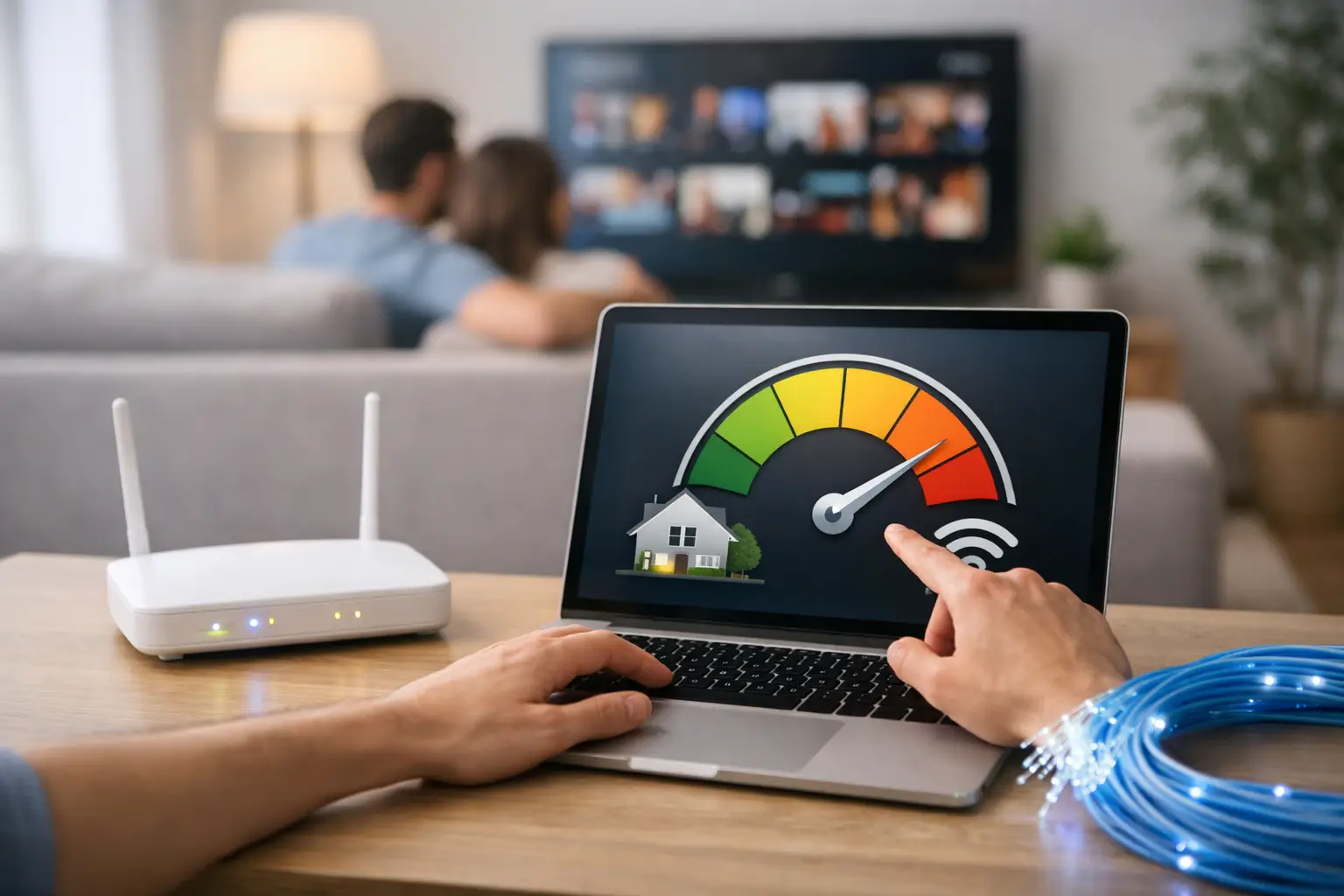
For a family, good internet means the connection stays stable while phones, TVs and computers are all in use at once. For someone working from home, not dropping out during meetings may be the priority; for students, a clear picture in live classes; for gamers, low latency.
For small businesses, the connection is part of commercial operations. Taking payments at a café, accessing accounting software, sharing files at the office or remotely monitoring a store's camera system all depend on reliable internet. Choosing a package after clarifying your business's number of devices, peak usage hours and critical applications leads to a more efficient result.
When exploring fiber, VDSL or wireless options suited to your address in Kocaeli and the surrounding area, you can make use of Tepenet's online application and support channels. This way, you can check infrastructure availability and compare packages based on your usage more quickly.
When choosing your connection, instead of going for the cheapest or the fastest-looking option, base your decision on the infrastructure that will work at your address and the support you need. The right internet is the one that helps you keep up with your work, education and communication without disrupting your daily plans.