
A screen that freezes in the middle of a video meeting, a gaming connection that slows down in the evening or a mobile data package that runs out can all make the decision harder. There is no single answer to the question of fixed internet versus mobile internet; the right choice depends on how many people live in your home, your workflow, the infrastructure at your address and where you use the internet.
For someone working from home, a continuous connection may be the priority. A frequent traveler, on the other hand, may want to carry their internet with them. Families, students and small businesses shouldn't expect the same package to suit everyone either. When deciding, look not only at the advertised speed but also at usage intensity, data needs and the value of the cost over time.
Fixed internet or mobile internet: What is the basic difference?
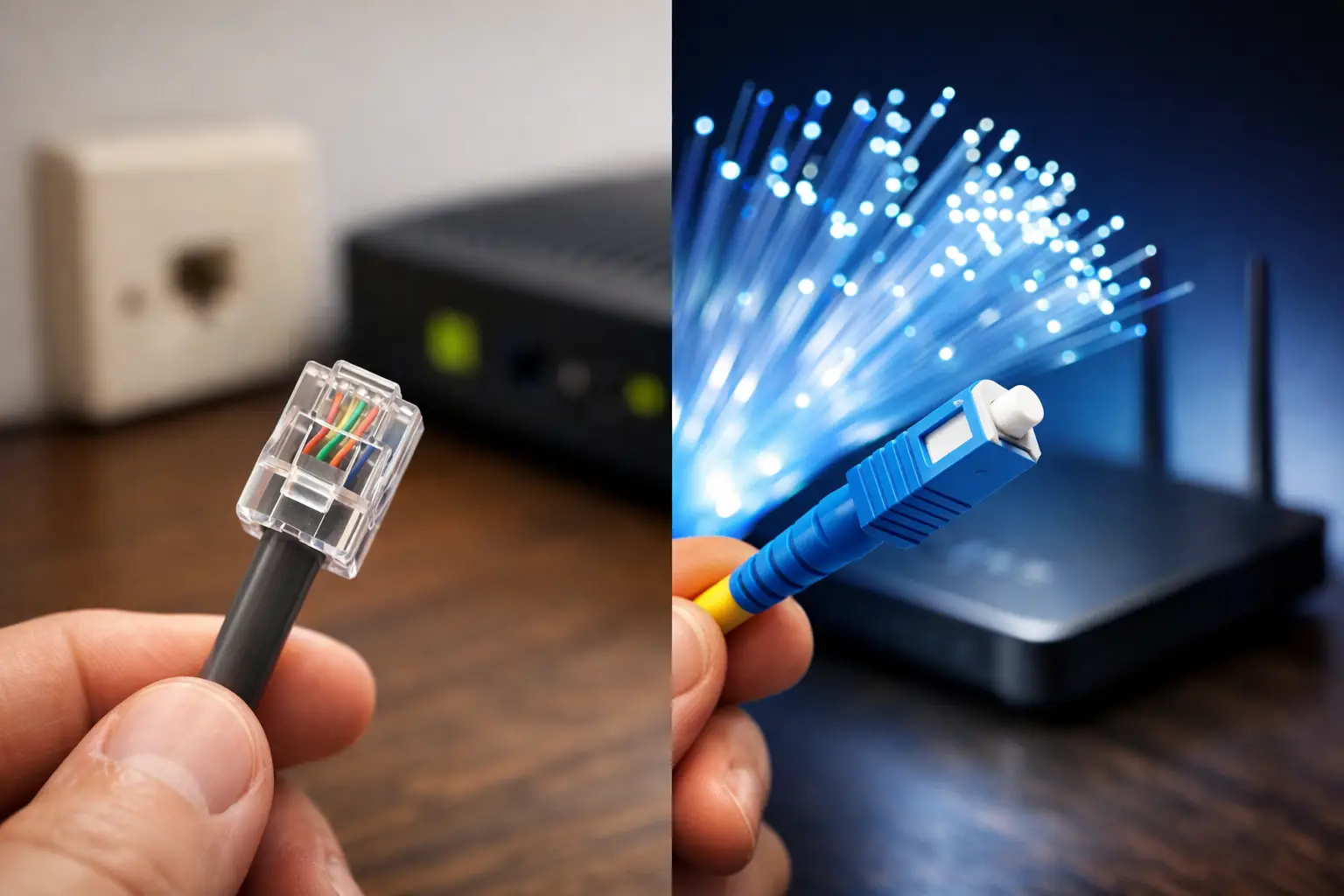
Fixed internet is a connection installed at your home or workplace over fiber, VDSL or, in suitable areas, wireless infrastructure. Your modem operates at a specific location, and the connection is usually designed for a single address. This makes it a more predictable experience for high data consumption, multiple devices and regular use.
Mobile internet runs over a SIM card and the mobile network. It can be used with phones, tablets, mobile modems or portable Wi-Fi devices. Its biggest advantage is freedom of movement: it can provide internet access at the office, in the field, on holiday or wherever you are staying temporarily.
However, dividing the two options simply into “home use” and “on-the-go use” is incomplete. With a fixed connection, infrastructure quality and modem placement directly affect the experience; with a mobile connection, network congestion, coverage strength and your data allowance at your location do.
When does fixed internet stand out?
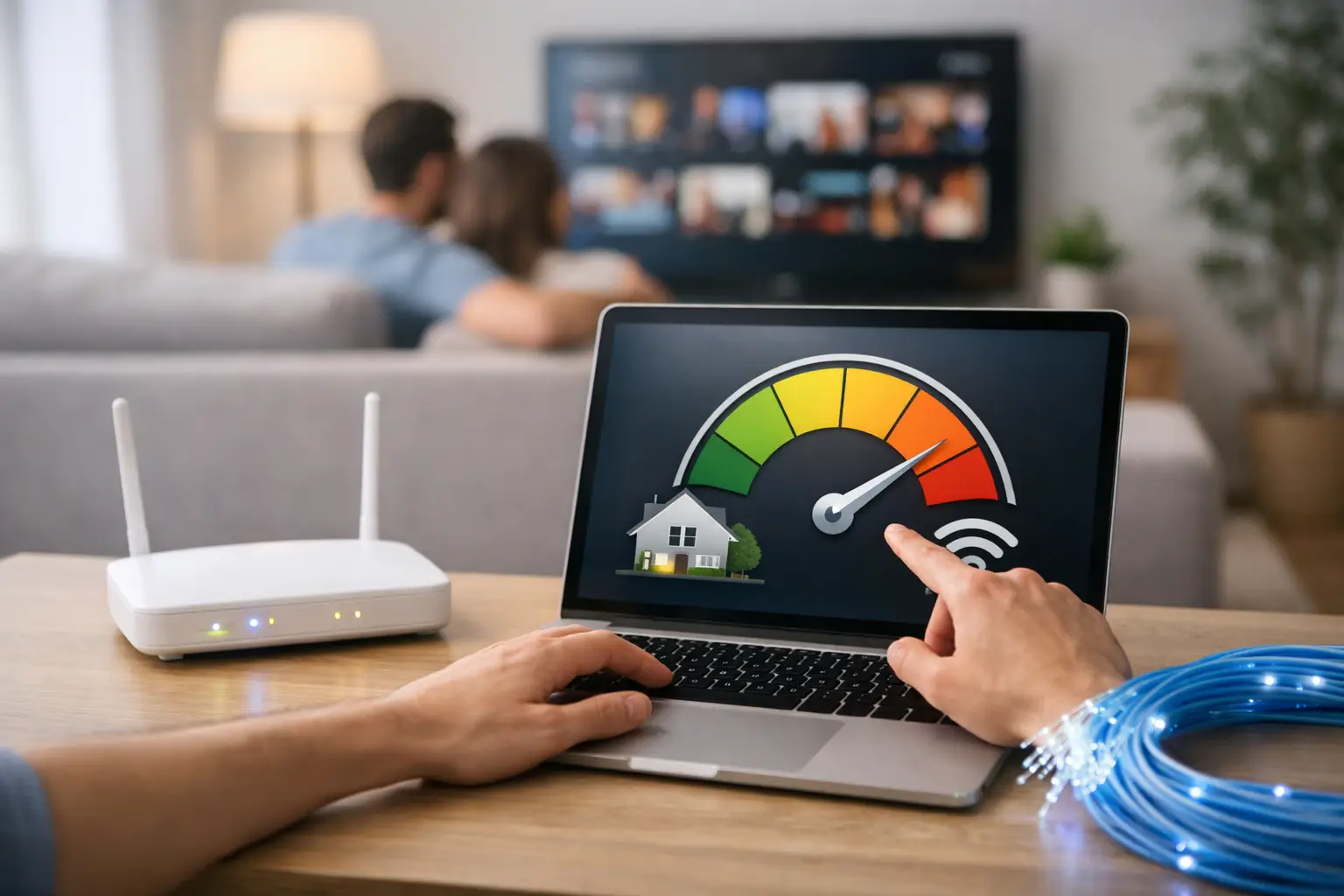
For households and businesses with regular, heavy data usage, fixed internet is usually better suited as the main connection. Streaming high-resolution content on the TV while someone holds a meeting on a computer, children attend online classes or a game console downloads updates can strain a connection. In moments like these, stable capacity is more valuable than a high download speed alone.
At addresses with fiber infrastructure, the advantages of high speed and low latency become especially clear. Latency is the time it takes for a request to reach a server and for the response to come back. It matters for keeping audio in sync on video calls, transmitting commands quickly in online games and running cloud-based business applications smoothly.
Another strength of fixed internet is the number of devices it supports. In a home, phones, computers, a smart TV, security cameras and a game console can all connect to the same network. In a small business, POS terminals, printers, staff computers and a guest network may share the connection. Here, modem quality, Wi-Fi coverage and proper network placement determine the outcome as much as package speed.
Of course, fixed internet is tied to an address. When you move, a transfer process or an infrastructure check at the new address may be needed. Also, not every building has the same technology. That's why checking your address's infrastructure before applying is the most practical way to set realistic expectations.
When is mobile internet the better choice?
Mobile internet is a strong option for those who want to connect wherever they need, rather than from a fixed point. Field teams, short-term project sites, temporary offices, students and professionals who travel often can benefit from this flexibility. Sharing your phone's connection or using a mobile modem gets you online quickly.
If you've just moved into a new home and need internet until your fixed connection is installed, mobile internet can be a temporary solution. Likewise, if your fixed internet runs into an unexpected issue, mobile data can serve as a backup connection. This backup plan offers peace of mind, especially for critical emails, payments or urgent meetings.
On the other hand, you need to carefully consider data limits with mobile internet. Video streaming, large file downloads, cloud backups and game updates can consume a lot of data in a short time. Speeds may vary during peak network hours, and indoor coverage conditions can also affect performance. So before using mobile internet as your home's only connection, review the signal quality at your location and your monthly usage.
How do speed, data allowance and latency change your decision?
Focusing only on the Mbps figure when choosing an internet package can be misleading. Mbps shows how fast data is downloaded or uploaded. But how consistent the connection stays throughout the day, the latency level and data usage terms are just as important as speed.
For example, mobile internet may be enough for someone who lives alone and mostly uses social media, messaging and email. In contrast, in a home where two people hold video calls at the same time, 4K content is streamed and large files are uploaded to the cloud, a fixed connection delivers a more comfortable experience. Upload speed in particular is a detail worth considering for remote designers, software developers, content creators and businesses that monitor camera systems remotely.
Data caps or fair usage terms also affect a package's real cost. An option that looks cheaper can strain your budget if heavy use requires add-on packages. When comparing packages, consider the monthly fee together with commitment terms, installation options, modem requirements and access to support channels.
Identify the right scenario for your home or business
When deciding for home use, first think about how many people and devices connect at the same time. In a family of four where everyone uses the internet heavily at different times, fixed internet can be the main solution. Mobile internet can then play a complementary role for use outside the home, as a backup connection or for short-term needs.
For small businesses, the internet is part of daily operations. Online orders, e-invoicing, customer communication, camera access and cloud applications are sensitive to outages. That's why the continuity of fixed internet and easy access to technical support are important advantages for businesses. Mobile internet can be planned as a second connection that supports business continuity, especially for field staff or when the fixed line is down.
If your address has fiber infrastructure, you can expect higher speeds and lower latency. Where fiber isn't available, VDSL or wireless internet options can be considered depending on your needs. What matters is learning the real capacity a technology can deliver at your address, rather than just its name.
Clarify these details before applying
To make your decision easier, look at what you used the internet for over the past month. Uses such as meetings, education, movies and series, gaming, file transfers and security cameras will give you a clear picture. Then determine how many devices are online at the same time in your home or workplace.
If you're considering fixed internet, run an address infrastructure check and find out about the installation process. If you're considering mobile internet, check coverage and speed in the areas where you'll use the device. With either option, being able to manage your package online, get quick help when you need support and complete subscription steps easily makes a real difference in everyday use.
Your needs may change over time, but your connection choice shouldn't slow you down. First clarify your usage habits, compare the options available at your address and apply with confidence for the package that gives you consistent speed, control and access.