
If someone at home is on a video meeting while the kids watch lesson videos, the smart TV is streaming and every phone is connected to Wi-Fi, you can't choose an internet plan based on the monthly fee alone. The real question when looking at internet deals is this: Is this package truly sufficient for the infrastructure at your address and your everyday usage habits?
A low price may look attractive at first glance. However, speeds that vary with infrastructure, installation fees, modem options, contract terms and how easy it is to reach support all directly affect the overall experience. A proper comparison focuses less on the headline of the deal and more on how the service will actually work for you.
Why shouldn't you choose internet deals on price alone?
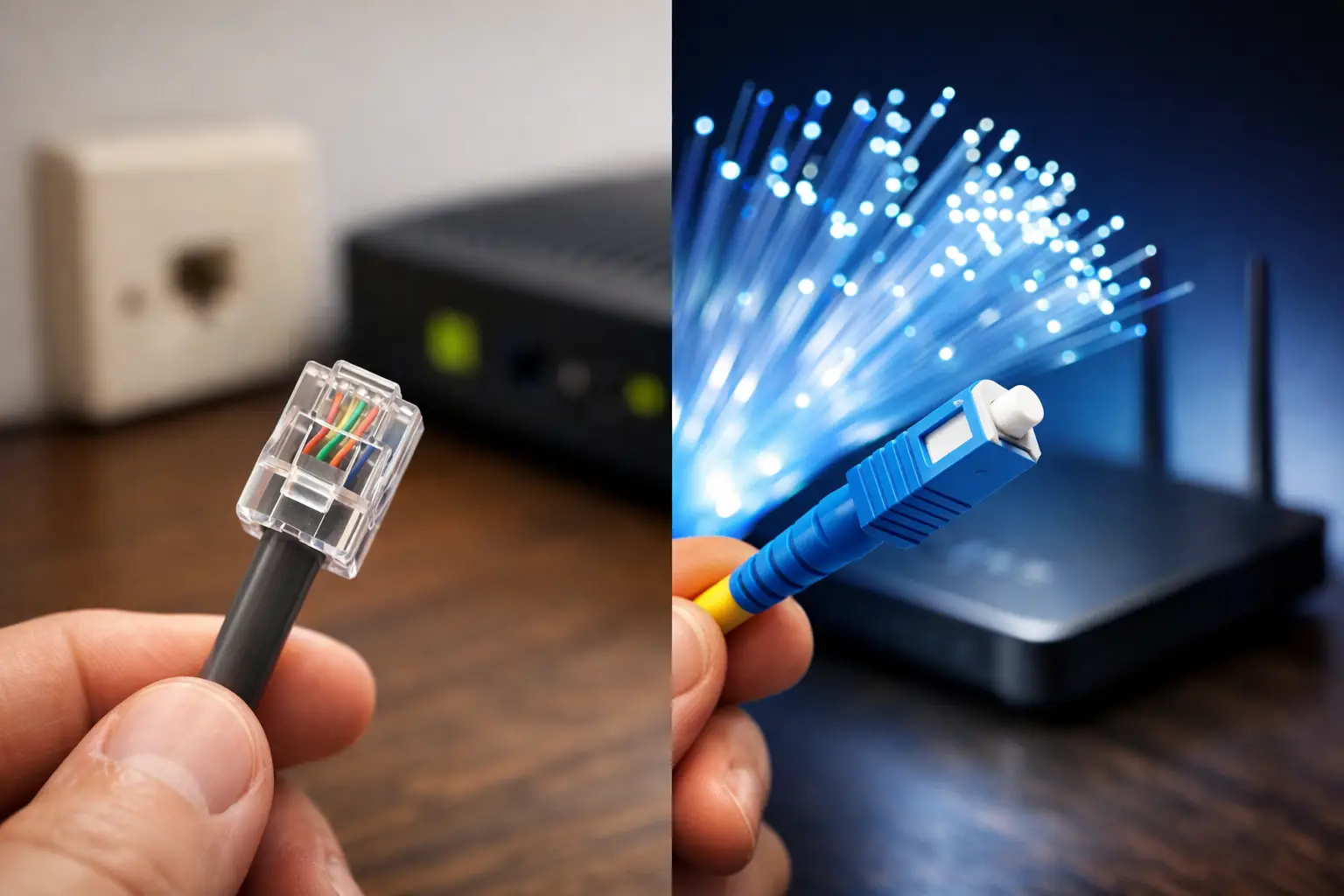
A deal's monthly fee is an important part of the decision, but it's only one part. For example, the same speed may not deliver the same performance at two different addresses. The main reason is the type of internet infrastructure in the area and the quality of the connection that reaches the building. Where fiber infrastructure is available, you can generally expect higher speeds and a more stable connection. With VDSL or wireless internet options, distance, in-building wiring and local conditions can affect the results.
That's why it makes more sense to start your comparison by checking the infrastructure at your address. Considering a speed option you can't actually use just because it's cheap is a waste of time. Seeing the packages that match your infrastructure narrows your options down realistically.
Usage intensity matters too. One person's email, social media and daily video use doesn't create the same demand as a family of four all online at the same time. For freelancers, remote teams and small businesses, a reliable connection can be worth more than a price difference of a few liras.
The gap between advertised speed and everyday experience
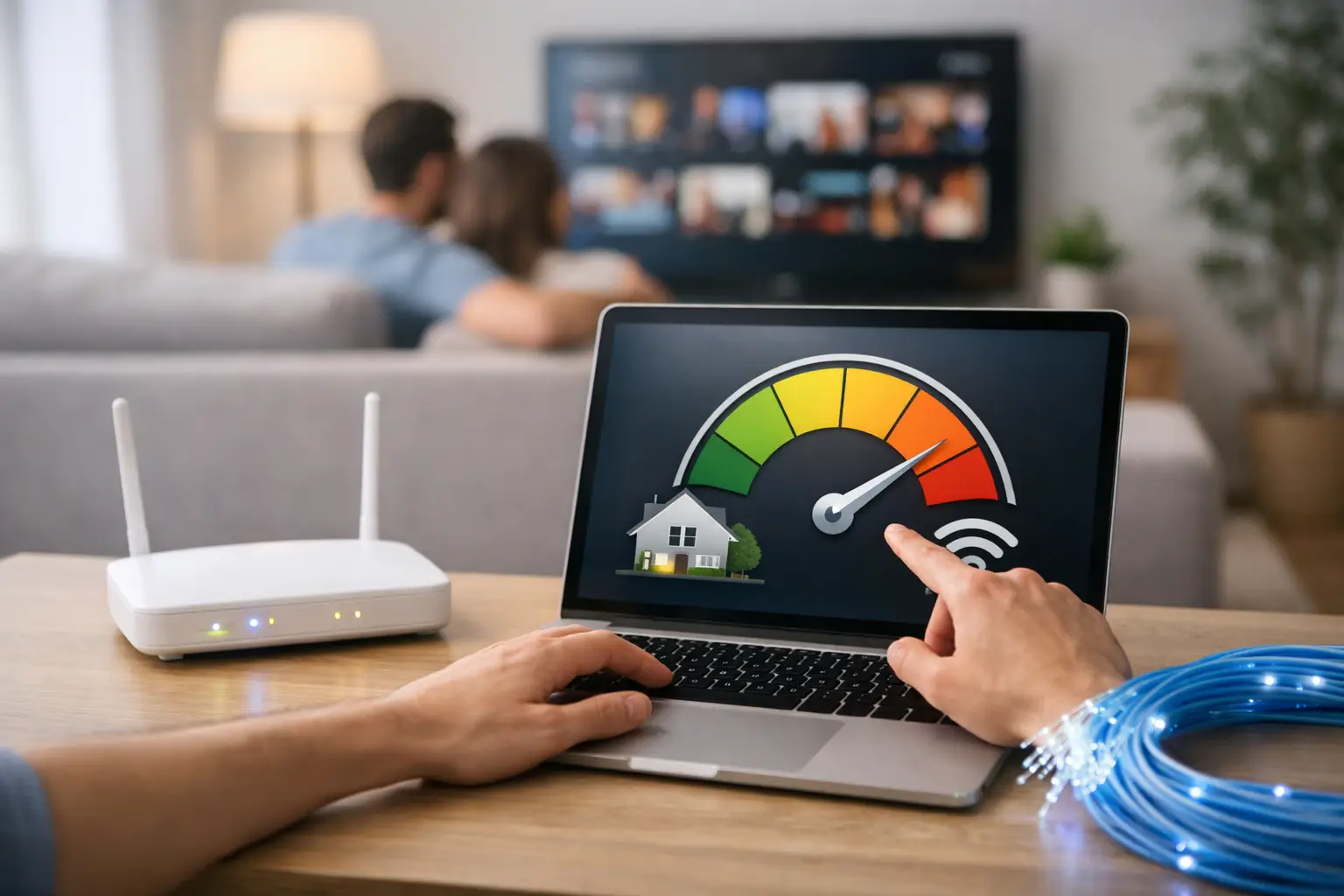
The Mbps figure listed in a package describes the data-carrying capacity of the connection. In practice, however, the performance you feel isn't determined by this number alone. The number of devices at home, how far you are from the modem on Wi-Fi, older devices and simultaneous downloads all affect your experience.
For example, even with a high-speed package, keeping the modem tucked away in a corner of the house can cause weak signal in some rooms. That doesn't mean the package speed is insufficient. In large homes or offices, modem placement, the need for wired connections and, if necessary, additional network equipment should be considered separately.
What to check in the deal details
To compare deals properly, you need to review each offer under the same headings. That way, you can separate a first-month perk from the long-term cost.
First, check how long the monthly price is valid. Some offers apply a discount only for a certain period. Knowing the standard price after the discount ends helps you plan your overall budget more accurately. This detail is especially important for families and businesses that want to know their fixed expenses in advance.
Second, consider possible extra charges such as installation, activation, relocation and the modem. Not everyone's needs are the same. The upfront cost may differ between someone whose existing modem is compatible and a subscriber who needs a new device. Clarifying which services the deal covers before you apply helps you avoid surprises later.
The third heading is the contract. Contract packages can offer a price advantage for a set period. This option can make sense for users with steady usage plans who aren't thinking of moving. On the other hand, those who might relocate, short-term residents or anyone who wants to keep things flexible may find no-contract and prepaid options a better fit. There's no single right answer here; the decision depends on your lifestyle.
Finally, read up on the scope of service, such as data caps, fair usage terms and connection type. These details determine daily comfort, especially for people who download large files, use cloud backups, livestream or use many devices.
How to choose the right package for home users
For home internet, the right package isn't about getting the highest speed; it's about consistently getting the performance you need. In homes with one or two people who mainly use the internet for messaging, watching videos and everyday tasks, a mid-range package may be enough. However, if online gaming, 4K streaming, remote learning and video calls happen at the same time, you'll need higher speeds.
A common mistake families make is deciding based on just one person's habits. In the evenings, though, TVs, tablets, phones and computers being used simultaneously increases total demand. When choosing a package, consider both the number of people in the household and peak usage hours.
The application process is part of the experience, too. Online application, approval via e-Devlet and online service channels can simplify the process by reducing paperwork. With providers that have strong digital channels like Tepenet, being able to track all the steps needed for subscription and account management in one place saves users time.
Wi-Fi quality is separate from your package
Even with a good internet package, the connection can feel weak in some rooms if Wi-Fi coverage is inadequate. Placing the modem in as central and open a spot as possible, away from thick walls and clusters of electronic devices, makes a difference in most homes.
For critical devices such as a home office computer or game console, a wired connection is preferable where possible. This provides a more stable experience for latency-sensitive use. In larger homes, reviewing your home network setup may be more effective than simply changing packages.
For small businesses, reliability comes first
A café's POS terminal, an accounting office's cloud applications, a store's inventory system or a small team's video meetings may all depend on the internet connection. For these businesses, connection stability, access to support channels in case of outages and easy service processes matter as much as speed.
Business owners shouldn't assess internet needs based solely on the number of employees. Guest Wi-Fi, security cameras, backup processes and online payment systems also add to total usage. Separating the customer network from the network used by company devices also provides a more controlled setup in terms of both performance and security.
The best deal for a small business isn't necessarily the fastest package. A solution that meets the need, has a predictable budget and allows quick action when support is needed is the smarter investment.
Do a quick decision check before applying
Before deciding, check what infrastructure is available at your address, the package's discounted and standard prices, any installation or equipment costs, and the contract terms. Then think about how many people and devices connect to the internet at the same time in your home or workplace. These two assessments reduce the risk of ending up with a package that's either too small or more than you need.
Factor support channels into your decision as well. Internet connections can occasionally have problems; what matters is knowing where you can get help when they do. 24/7 technical support, online service options and transparency during the application process make your subscription experience more manageable.
The right deal isn't just the one that saves you money on the first bill; it's the one that works at your address, keeps up with your usage and gives you control when you need it. Taking a few extra minutes to review package details when choosing will give you a much smoother connection experience in the months ahead.