
If picture quality drops when you start a show in the evening, audio lags during video meetings, or cloud files open more slowly than expected at the office, the problem may not be just the Mbps figure on your package. When choosing among the best fiber internet providers, you need to consider the infrastructure at your address, your usage habits and the quality of support together. The same package may not deliver the same experience in different buildings and different usage scenarios.
Because fiber internet transmits data over optical cables, it offers high speeds, low latency and the potential for a more stable connection under heavy use. But choosing the right provider isn't just about finding the highest download speed. Many details, from the number of people in your household and your upload needs to commitment terms and the installation process, directly affect your day-to-day experience.
What criteria should you use to choose the best fiber internet provider?
When comparing internet brands in Turkey, the first thing to check is which infrastructure will actually be used to deliver service to your address. A fiber package appearing in a provider's campaign doesn't mean the same fiber connection is active at every address. That's why checking infrastructure availability before choosing a package reduces the risk of mismatched expectations about speed and installation later on.
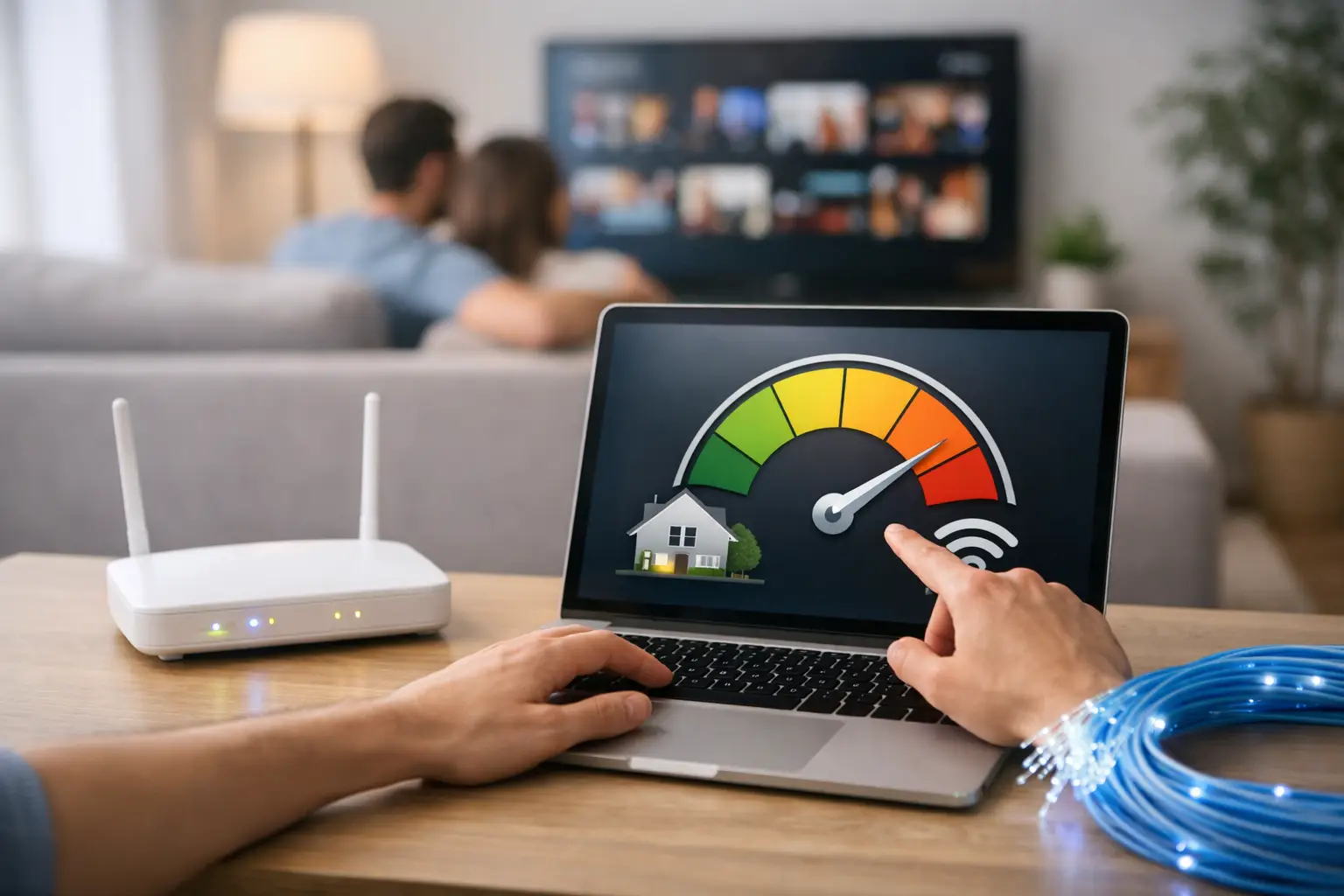
The second key point is how the speed will be used. 100 Mbps may be enough for light use by one or two people. But in a home where people are streaming 4K, gaming online, making video calls and uploading files to the cloud at the same time, higher speeds start to make sense. For small businesses, you should account not only for the number of employees but also for POS systems, security cameras, remote access tools and cloud-based applications.
Focusing only on download speed when comparing providers gives an incomplete picture. Upload speed is critical, especially for remote workers, designers, content creators and businesses. Users who send large files, run online backups or hold frequent video meetings should always check the upload value in the package details.
Infrastructure comes before the package
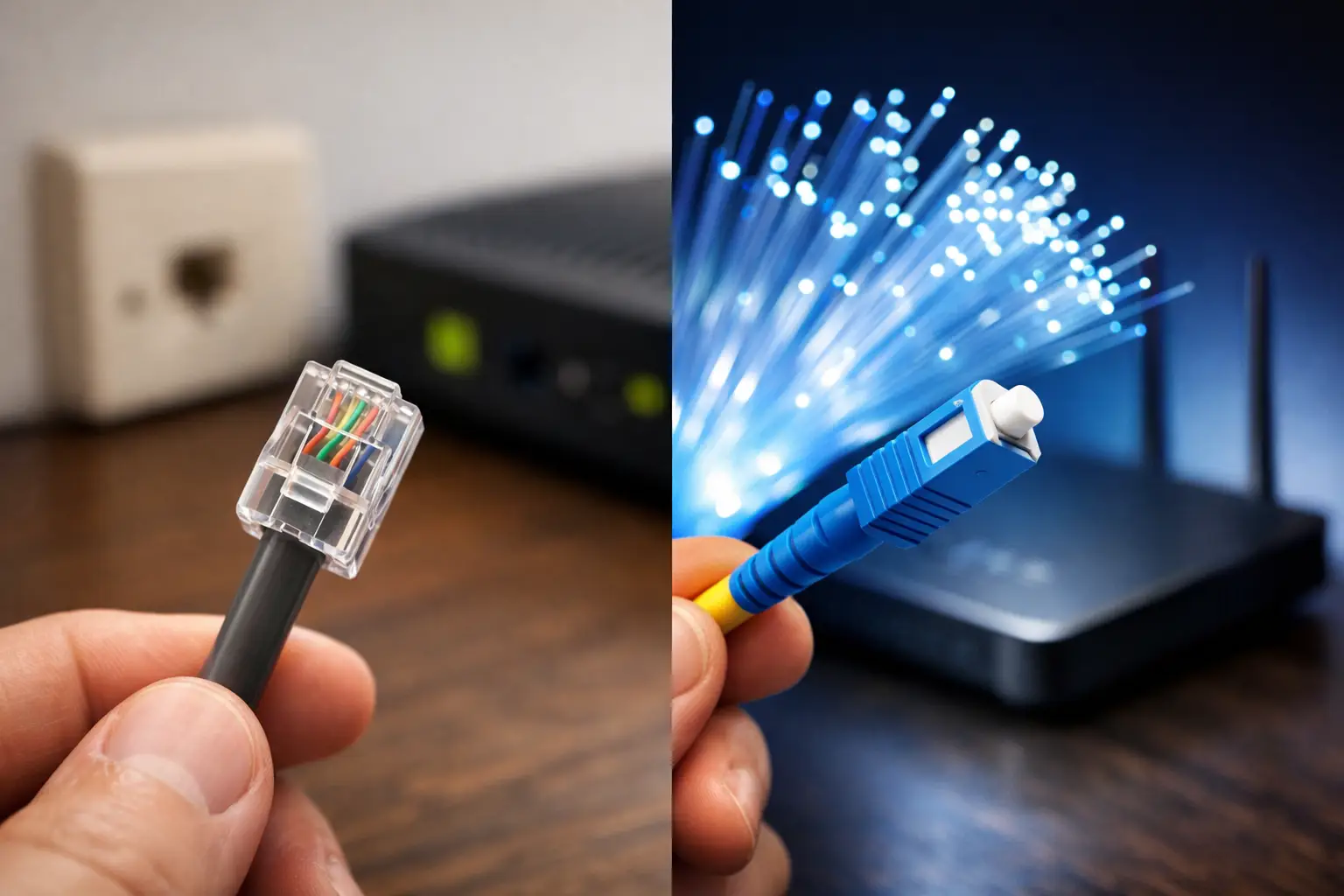
Whether fiber reaches all the way into your home, meaning the condition of the in-building wiring and the connection type used, affects your internet experience. At some addresses the fiber cable runs directly into the apartment, while at others different internal wiring may be used after the building entrance. These technical differences don't always cause problems in daily use, but you should know about them to set the right expectations.
When checking infrastructure, ask about the maximum achievable speed, installation requirements and activation time. Especially in newly moved-into buildings or when opening a new business, the process may differ from taking over an existing subscription. A provider that gives clear information and makes it easy to track application steps online saves you time at this stage.
Choose speed based on real needs
The idea that "the highest speed is always the best choice" can push your budget up unnecessarily. On the other hand, a package that falls short of your needs reduces what you get out of your connection. The right balance depends on how many people use the connection and for what.
For everyday social media, HD video, email and online banking, mid-range speeds may be sufficient. For families with multiple devices active at once, high-resolution streaming and online learning, higher speeds provide more comfort. For competitive gamers, latency, using a wired connection and the modem's placement in the home matter as much as Mbps.
When making decisions for a business, consider not just today's needs but also your growth plans. New staff, additional cameras, cloud software or remote working arrangements can quickly change your connectivity needs. Options that offer flexible package upgrades can be more practical when these changes happen.
Look at the total cost when comparing fiber internet providers
The monthly price may be the most eye-catching factor at first, but it shouldn't be the only basis for your decision. Review the terms for potential charges such as activation, installation, modem, relocation and early cancellation. You should also clearly understand how long a promotional price lasts and how the fee will change at the end of that period.
Packages with a commitment often offer a more attractive starting price. This option may suit users who plan to stay at the same address for a long time and have clear usage needs. Meanwhile, people who might move, are looking for a short-term solution or prefer to manage their budget month to month may consider no-commitment or prepaid alternatives.
Don't overlook the modem either. The modem fee charged by the provider, whether the device is rented or purchased, and the scope of technical support all affect the total cost. In very large homes or workplaces with thick walls, a single modem may not deliver the same signal quality everywhere. In that case, you may need an additional access point or a mesh system. This need should be evaluated separately from the internet package.
Support quality is part of the connection
When the internet goes down or speeds fall below expectations, what matters to the user is how quickly and transparently the problem is handled. 24/7 technical support, fault ticket tracking and clear communication create real value, especially for remote workers and businesses.
When evaluating a provider, look at its support channels: Can you reach them by phone? Can you open a fault ticket through online services? Can you manage bills and packages through a mobile app? Instead of waiting a long time for a simple task, users who can manage their subscription through digital channels have more control.
The support experience is also tied to field operations in your area. So the experiences of people nearby who use the same provider, regarding installation, faults and relocation, can give you useful insight. Still, don't treat a single experience as a definitive criterion; building infrastructure and usage conditions vary from person to person.
Homes and businesses need different approaches
Home users usually decide based on streaming, gaming, education, remote work and multi-device use. For this group, ease of application, value for money and fast support stand out. Processes such as online application, approval via e-Devlet and digital billing management make subscribing far less of a hassle.
For small and medium-sized businesses, connectivity is a direct part of operations. If order screens, accounting software, customer communication and remote access all run over the internet, even a brief outage can be costly. Businesses should discuss higher upload needs, support priorities and, where possible, alternative solutions for connection continuity from the outset.
When choosing a service in and around Kocaeli, regional infrastructure availability is especially important. With providers like Tepenet that offer options for different infrastructures and usage needs, reviewing the packages available for your address and clarifying installation terms before applying is the right way to start.
Run these checks before you apply
To speed up your decision, have a few key details ready: your full address, the status of your current internet subscription, the number of devices at home or at work, and your peak usage hours. Then run an infrastructure check, see the achievable speed and confirm the upload value of the package you've chosen.
Read the commitment period, device terms, installation fee and cancellation conditions in the contract or campaign details. Being able to track your application online, open a support ticket when needed and manage your bills easily should also be part of your selection criteria.
The right fiber internet isn't simply the package that looks fastest; it's a connection that's actually available at your address, suits your usage and comes with support you can count on when you need it. Check your infrastructure first, then choose the package that fits your needs, and keep your internet in step with the pace of daily life.