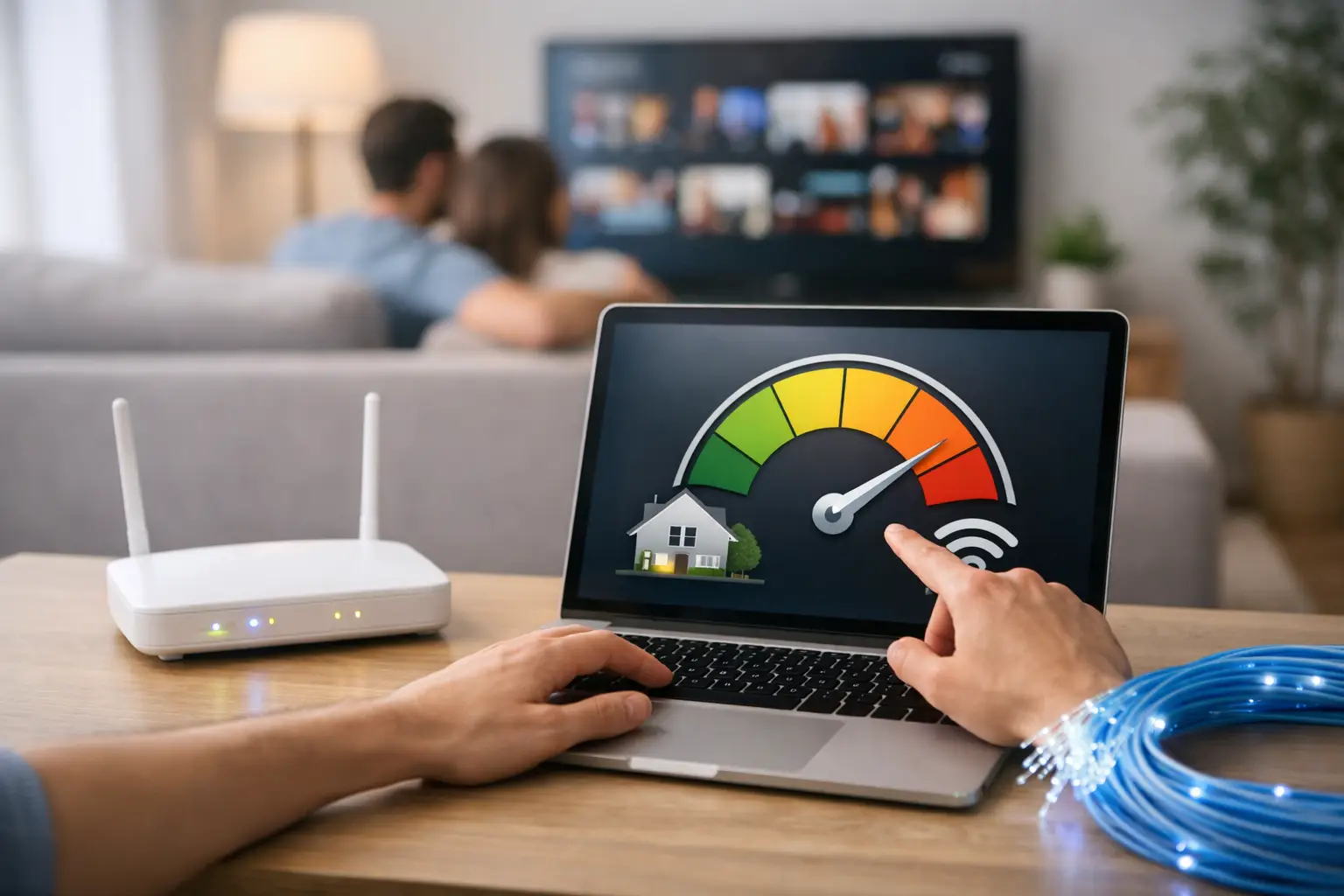
Have you ever noticed your video meetings freezing in the evening while your children are streaming videos and everyone's phone is connected to Wi-Fi? That's when one question comes up:
Should you choose VDSL or Fiber Internet?
The answer isn't as simple as choosing the faster technology. The best option depends on several factors, including the internet infrastructure available at your address, the number of connected devices in your home, your daily internet usage, and your budget.
Many people compare internet packages based only on the advertised download speed. However, real-life internet performance depends on much more than Mbps. Connection stability, latency (ping), upload speed, installation quality, and reliable technical support all play an important role.
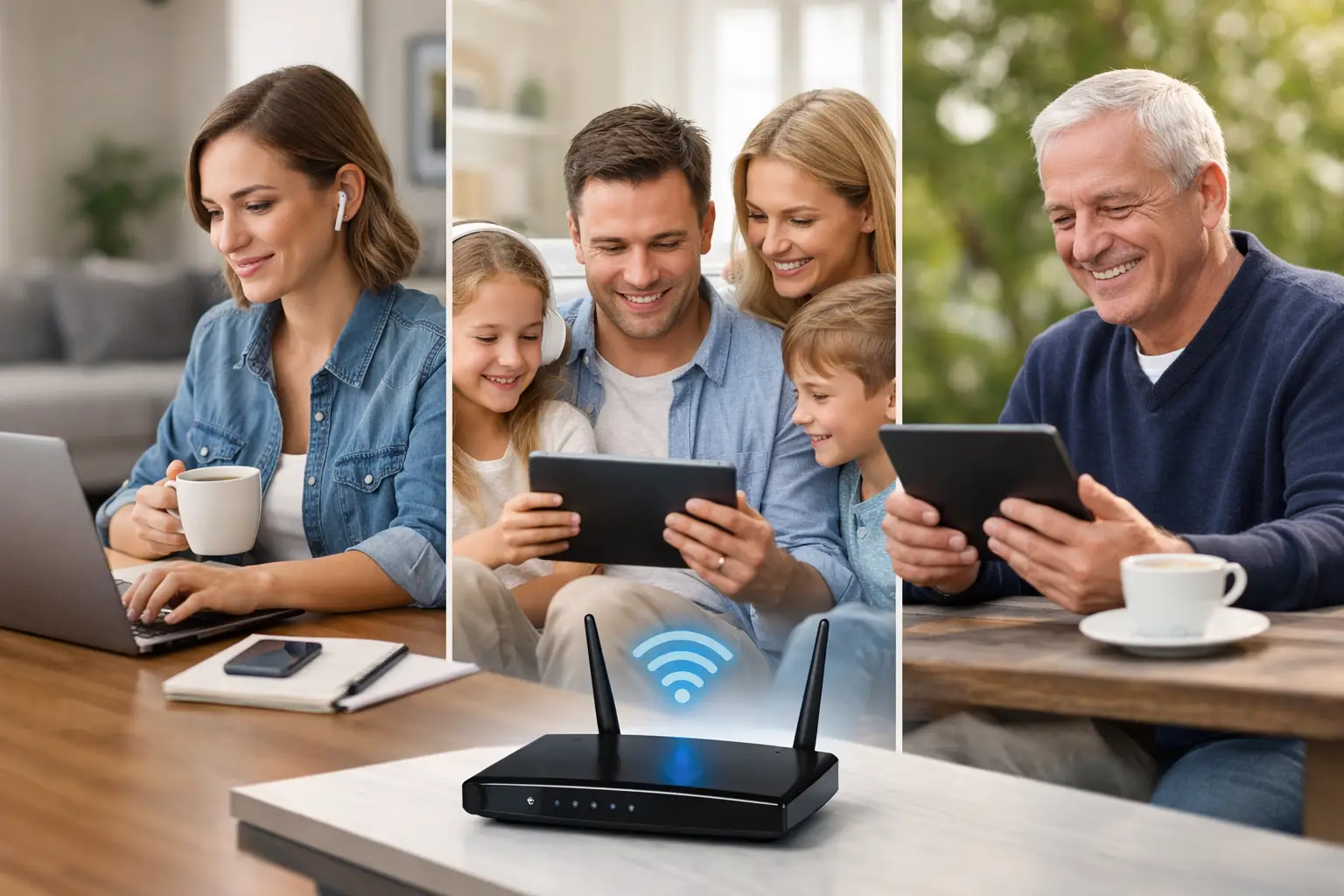
This becomes even more important for remote workers, small businesses, gamers, and families using multiple devices simultaneously.
VDSL vs Fiber: What's the Main Difference?
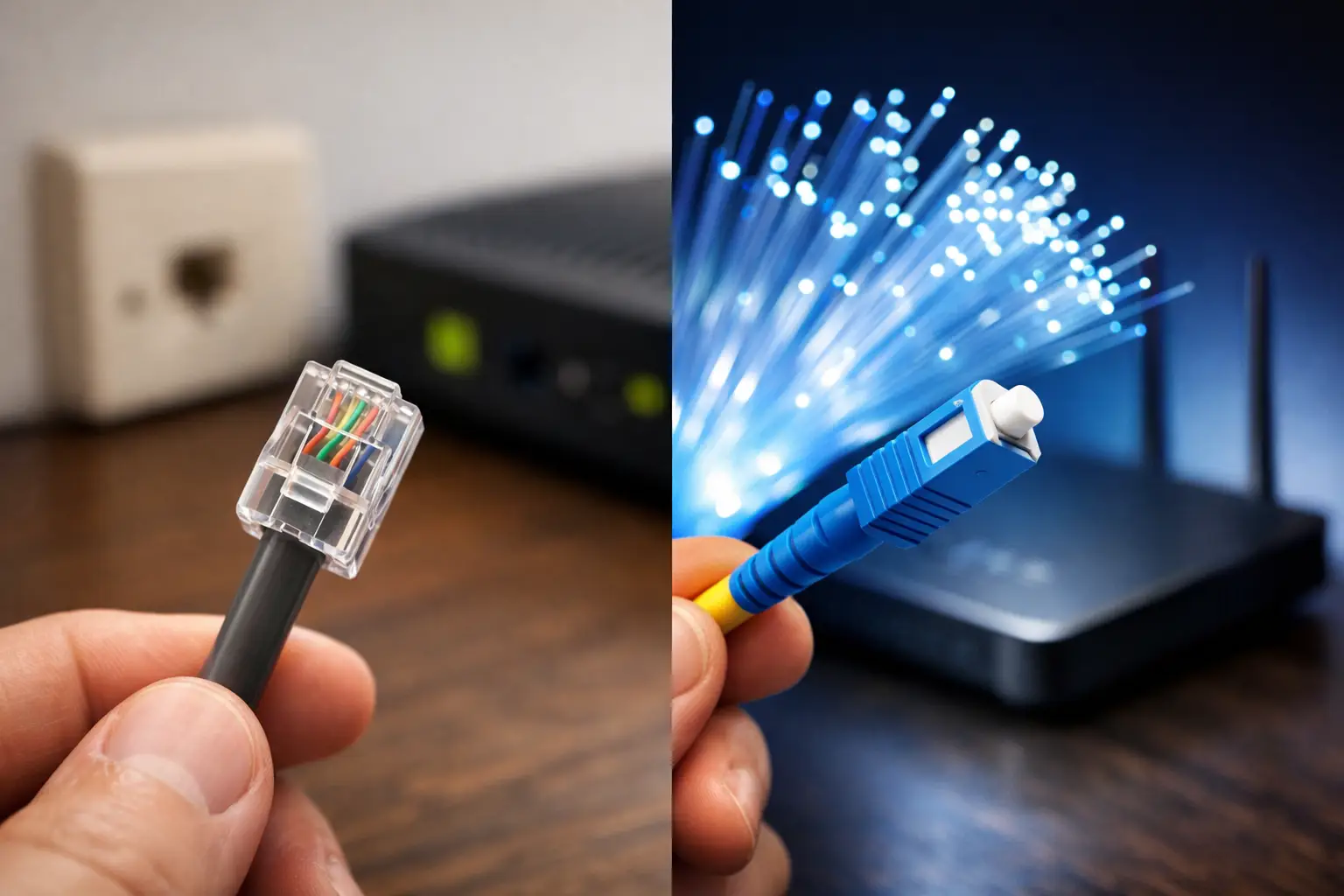
VDSL (Very-high-bit-rate Digital Subscriber Line) delivers internet through existing copper telephone lines, while Fiber Internet uses fiber-optic cables to transmit data using light signals.
This difference directly affects speed, stability, reliability, and future scalability.
Advantages of VDSL Internet
VDSL remains an excellent solution in areas where fiber infrastructure is not yet available.
Under good conditions, VDSL easily supports:
Web browsing
HD video streaming
Remote work
Online education
Social media
Standard office applications
However, internet speed may decrease as the distance between your home and the street cabinet or telephone exchange increases. Older internal building wiring may also reduce connection quality.
Advantages of Fiber Internet
Fiber Internet offers several significant advantages over traditional copper connections.
These include:
Much higher download speeds
Faster upload performance
Lower latency
Better stability during peak hours
Greater capacity for multiple connected devices
For households with several active users, cloud-based businesses, gamers, content creators, and people who regularly stream 4K videos, Fiber Internet usually provides a noticeably smoother experience.
Although Fiber is generally the superior technology when available, it is not automatically the best choice for every user.