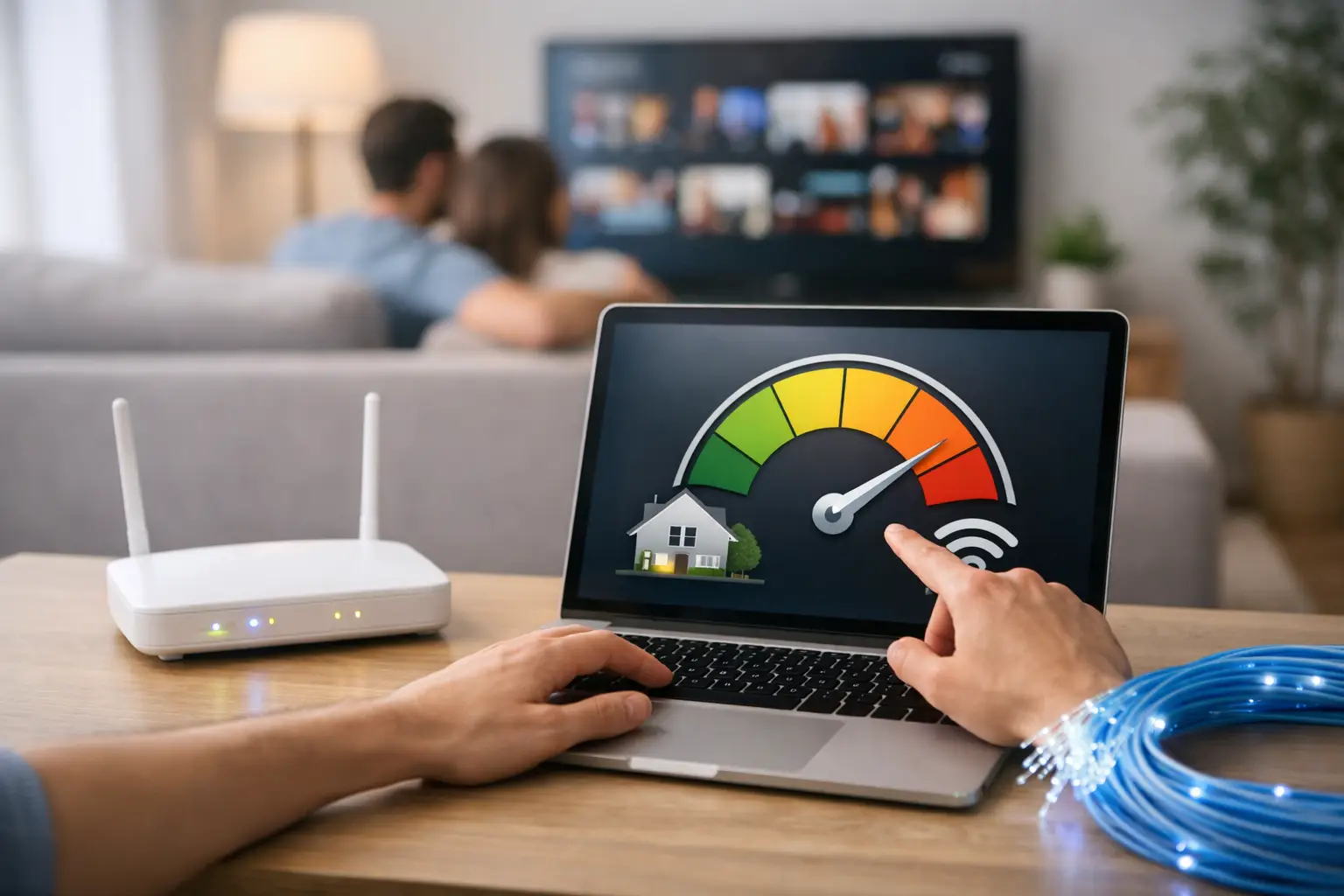
At 9:00 PM, one person is watching a TV series, another is attending a video meeting, the kids are gaming online, and several smartphones are quietly backing up photos in the background. At that point, choosing the right fiber internet package for your home is no longer a luxury—it becomes a matter of everyday comfort and convenience.
The real question is often not simply, "How many Mbps do I need?" What truly matters is how well your internet connection handles multiple activities at the same time, how stable it remains under heavy usage, and how quickly any problems are resolved when they occur.
Why Does a Fiber Internet Package Make a Difference?
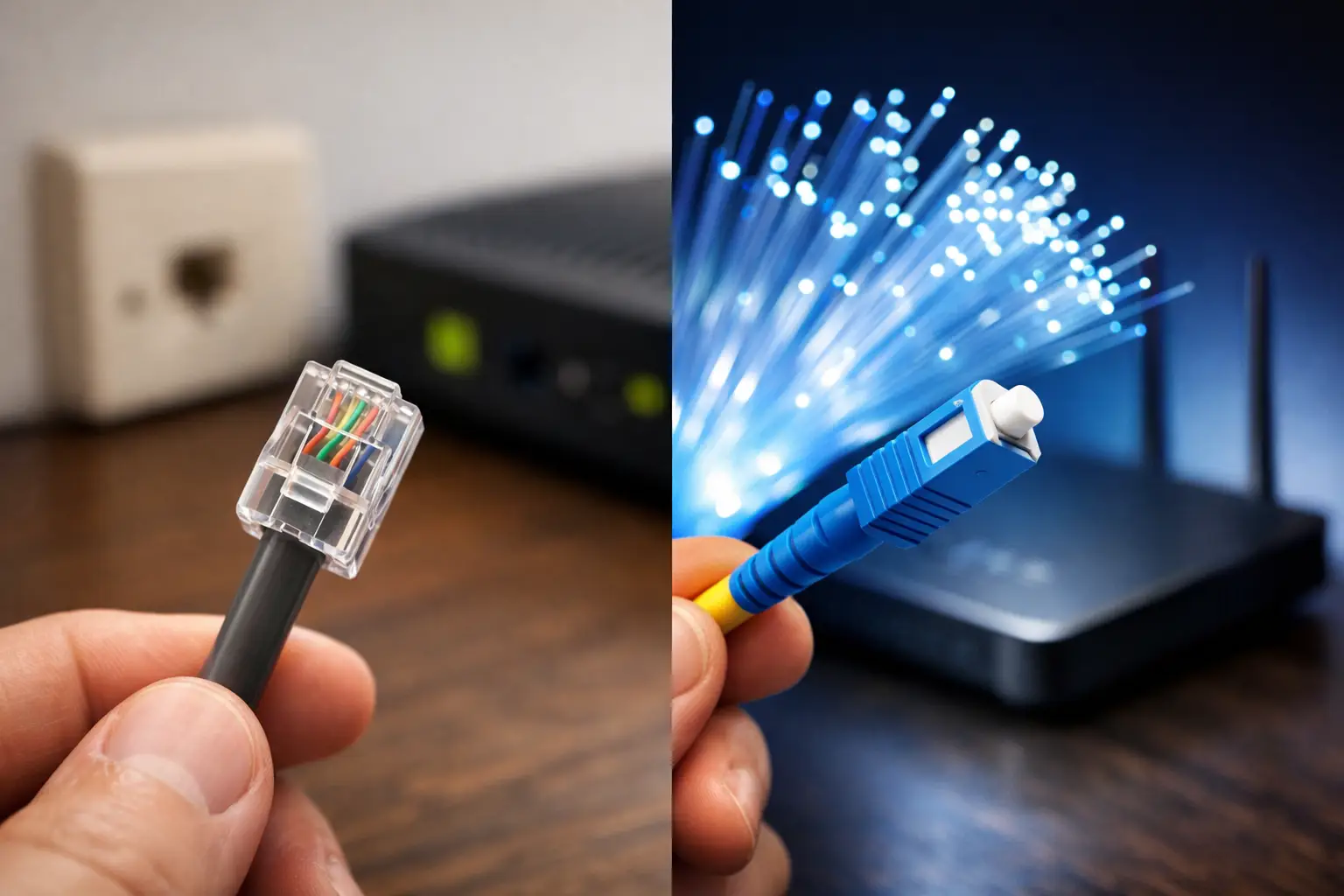
For home users, the greatest advantage of fiber internet is not just its high speed but also its exceptional connection stability.
If you've ever experienced slower speeds during peak hours, frozen video calls while working from home, or constantly changing video quality on your smart TV, you'll notice the benefits of fiber almost immediately.
When multiple devices are connected to the internet in the same household, the way the connection performs under load is often more important than the advertised maximum speed.
It's also important to remember that every household uses the internet differently. Someone living alone who mainly browses social media, streams videos, and handles everyday tasks will have different needs than a large family, a remote professional, or an online gamer.
For this reason, choosing the right package should begin with understanding your actual usage—not simply selecting the most attractive promotional offer.
What Should You Consider First When Choosing a Fiber Internet Package?
Many people naturally compare prices first when evaluating internet packages.
However, price alone rarely tells the whole story.
Factors such as infrastructure availability, installation time, modem conditions, contract terms, and access to technical support all play an important role in determining your overall experience.
Determine Your Speed Requirements Correctly
The difference between 50 Mbps and 100 Mbps is not just a number—it depends entirely on how you use the internet.
If your household mainly streams occasional videos and browses the web, lower-speed plans may be perfectly sufficient.
However, if several people are simultaneously streaming 4K content, working remotely, attending online classes, and gaming, higher speeds provide a much smoother experience.
The key question is:
How many people use the internet at the same time, and how intensive is their usage?
Another important factor is upload speed.
Many users focus only on download speeds, but upload performance directly affects activities such as:
- Video conferencing
- Cloud backups
- Sending large files
- Live streaming
For people who work from home, upload speed may seem like a small detail, but it can significantly impact daily productivity.
Infrastructure Compatibility Comes Before the Package
The highest advertised speed in a region does not necessarily mean every building can receive that speed.
The quality of the fiber infrastructure reaching your building, your home's internal wiring, and the installation process all influence the final performance.
That's why it's important not only to like a package but also to verify which services are actually available and capable of delivering reliable performance at your specific address.
In regions like Kocaeli and surrounding areas, newly developed neighborhoods may offer a different infrastructure experience than older residential districts.
Before making your decision, checking service availability for your exact address can help prevent disappointment and unrealistic speed expectations later.