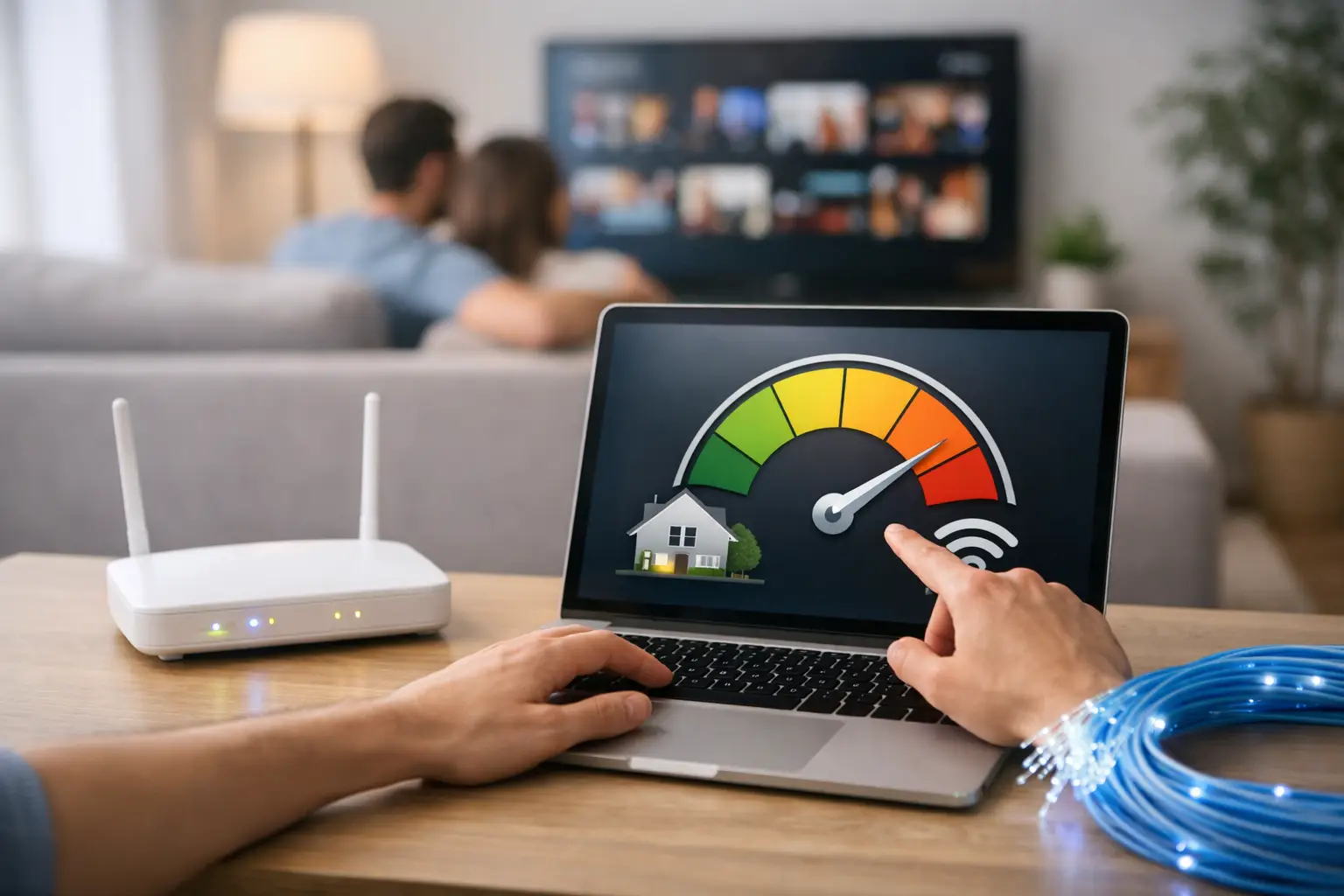
If at 9:00 p.m. one person at home is watching a series, another is in a video meeting, the kids are gaming and the phones are running backups in the background, choosing a fiber internet package for your home is no longer a luxury but a matter of everyday comfort. The question is usually not just “how many Mbps?” What really makes the difference is how many tasks the connection can handle at once without issues, how stable it stays and how quickly problems get resolved.
Why does a home fiber internet package make a difference?
For home users, the biggest advantage of fiber internet is connection stability as much as high speed. The difference is felt quickly, especially by users who experience slowdowns at peak hours, whose video freezes during online meetings, or whose smart TV streaming quality keeps fluctuating. If multiple devices are connected in the same home, how the connection behaves under load matters more than its theoretical speed.
The key point here is that not every household uses the internet the same way. Someone living alone who mainly uses the internet for social media, video and basic tasks may not get the same value from a package as a large family, a remote professional or a gamer. That's why your choice should start with a needs assessment rather than a campaign headline.
What to check first when choosing a home fiber internet package
When comparing packages, most users look at the price first. That's natural. However, judging by price alone is often misleading, because infrastructure availability, installation time, modem terms, commitment structure and access to technical support shape the overall experience just as much as the monthly fee.
Define your speed needs correctly
The difference between 50 Mbps and 100 Mbps shows up not just in the numbers but in how you use the connection. If video is only watched occasionally at home, lower speeds may be enough. But if 4K streaming, remote work, online classes and gaming happen at the same time, a higher speed provides comfort. The key question is: how many people use the internet, at the same time, and how intensively?
Another factor is upload speed. Many users focus only on download speed. Yet upload performance directly affects the experience for video calls, cloud backups, file sharing and live streaming. For people working from home, this detail may seem minor, but it is decisive in their daily workflow.
Infrastructure availability comes before the package
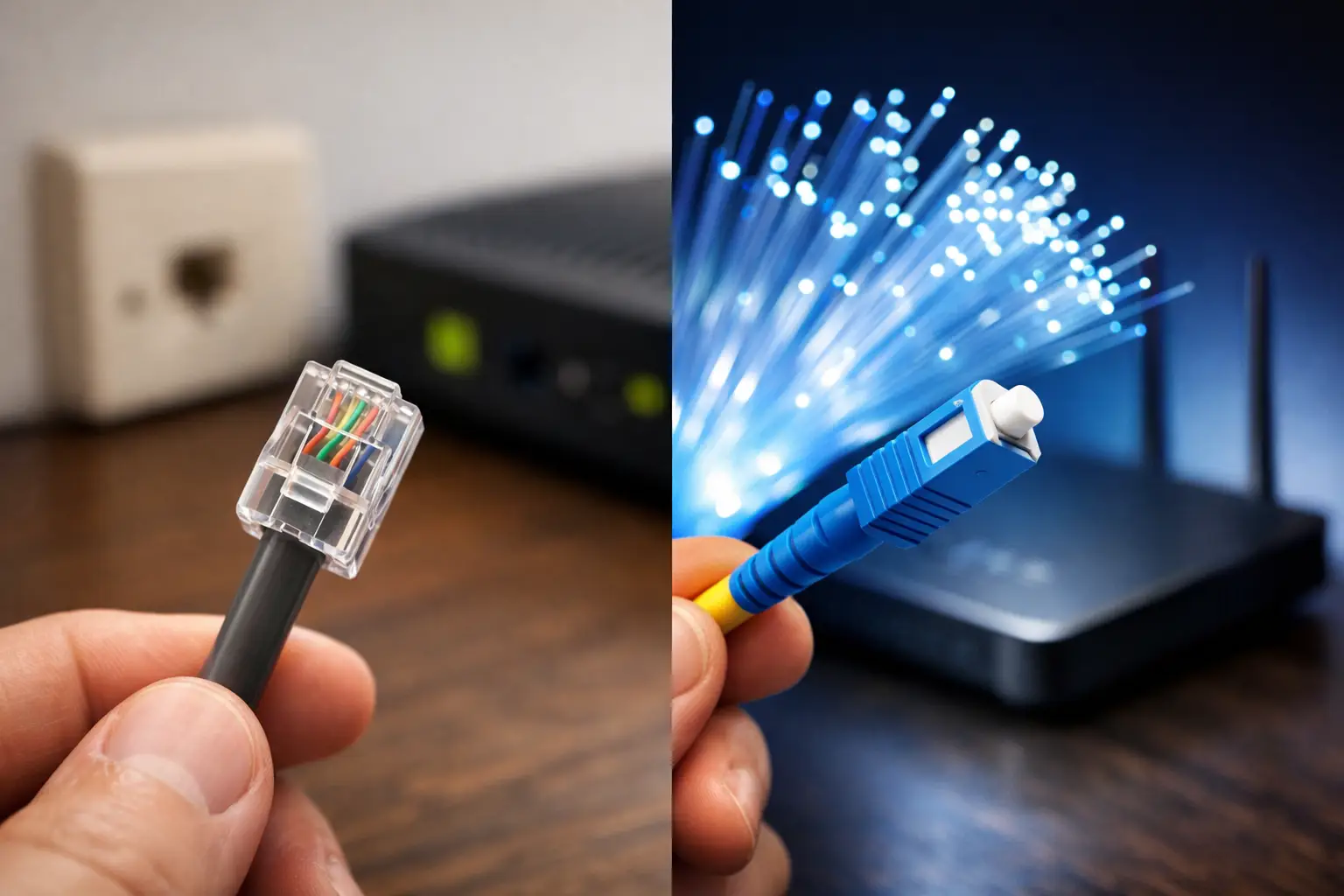
The highest speed offered in an area may not be achievable in every building. The infrastructure reaching the building, the quality of in-home wiring and the installation method all affect the result. So liking a package isn't enough; you need to confirm which service will actually be active and work reliably at your address.
Especially in Kocaeli and the surrounding area, the infrastructure experience can vary between newly developing neighborhoods and older residential areas. Running an address-based check before deciding reduces speed expectation issues later on.
Read the commitment, cancellation and flexibility terms
An internet package that looks affordable isn't always advantageous in the long run. The commitment period, how long the campaign lasts, how first-month discounts change later and the subscription cancellation terms should all be clear. Flexibility is an important criterion, especially for users who may move.
Some users prefer the security of a fixed price, while others value no-commitment or more flexible plans. The right choice here depends entirely on your plans.
Which speed makes more sense for which user?
There's no single right answer to this question, but a general framework is possible. For someone living alone who does basic video streaming, social media, email and everyday browsing, mid-range speeds are usually enough. In homes where two or three people stream heavily at the same time, higher-tier packages provide a more balanced experience.
In large families, homes with remote workers, or scenarios with heavy gaming and high-resolution streaming, stability and modem performance matter as much as speed. In other words, simply buying “high speed” isn't enough; that speed also needs to be distributed properly throughout the home.
Why can modem and Wi-Fi quality matter more than the package?
A common mistake users make is assuming slowness always comes from the service provider. In many homes, however, the real issue is modem placement, wall structure, outdated devices or insufficient Wi-Fi coverage. The fiber connection may arrive at your door perfectly, but if the modem is tucked into a corner of the living room, getting the same performance in the back room becomes difficult.
That's why you should think about in-home distribution along with your package choice. In larger homes, mesh systems, proper modem placement or additional access solutions can make a big difference. The internet experience depends not only on the external line but also on the quality of the in-home setup.
How do you assess value for money?
The cheapest package may not be the most economical choice. Likewise, the fastest package isn't necessary for everyone. When assessing value for money, what matters is the capacity you actually use and the level of service you receive for what you pay.
A few questions help clarify things: Do you often need support? Do you want to manage your application and subscription easily through digital channels? Is quick installation critical for you? Do access to the call center and resolution time matter when a technical issue arises? These factors are as valuable as the monthly bill.
For home users who rely on the internet for work, an outage is more than an annoyance. A missed meeting, a delayed deadline or an interrupted transaction translates directly into lost productivity. That's why reliable support and an easy process are often more important than a price difference of a few liras.
What should you watch for during the application process?
An ideal application process shouldn't wear you out. Address verification, package selection, identity confirmation, contract steps and installation scheduling should all proceed as clearly as possible. Tools such as digital applications, an online service center and a mobile app make this much easier.
Wasted time is a big problem, especially for home users. Being able to apply without visiting a branch, complete the necessary approvals via e-Devlet and track the installation remotely speeds up the decision process. Brands that strengthen their digital processes, like Tepenet, offer a practical experience here.
Technical support is an invisible but critical detail
When buying internet service, everyone looks at the speed chart, but real quality often shows itself when a problem occurs. How easy is it to report a fault, how quickly are you informed, and how long do you wait for a fix? These questions aren't printed in large type on package brochures, but they are among the factors that affect satisfaction the most.
24/7 support is a major advantage, especially for people working from home and families with children, because outages don't pick a convenient time. Being able to get in touch quickly when problems occur on weekends, at night or during busy work hours provides peace of mind.
Common mistakes when buying a home fiber internet package
The first mistake is deciding based only on maximum speed. Buying more speed than you need can create unnecessary costs. The second mistake is choosing based on a campaign without checking infrastructure availability. The third is not taking your modem and in-home Wi-Fi setup into account.
Another common mistake is focusing on the first month's price and overlooking the overall contract structure. If installation fees, equipment terms, campaign duration and price update details are clear from the start, there won't be any surprises later. This is where a sense of control begins for the user.
What should be the final measure when deciding?
The right package isn't the one that looks most powerful on paper, but the one that handles daily life in your home without issues. A service that lets the kids join their classes, keeps meetings from dropping, keeps evening streams from buffering and doesn't give you a hard time when you need support is truly a good choice.
So don't base your decision on a single factor; weigh speed, infrastructure, support, flexibility and ease of digital transactions together. When choosing a fiber internet package for your home, the goal isn't just to get online but to be able to manage your connection with confidence. With the right choice, the internet stays in the background and you can focus on your daily routine.