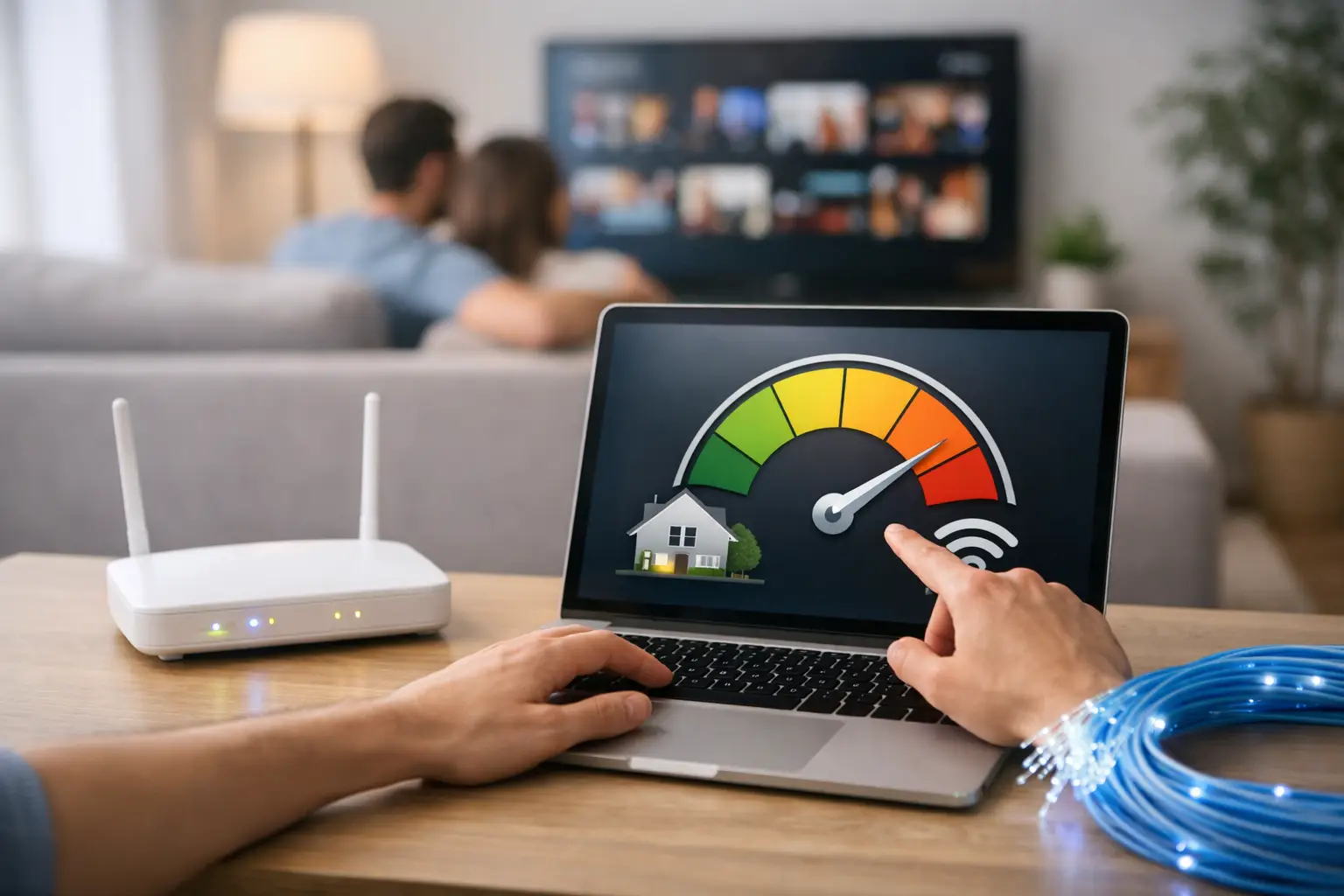
It's evening, your meeting keeps freezing, the kids are streaming videos at the same time, every phone is on the Wi-Fi and the internet slows to a crawl. That's exactly when the same question comes up: VDSL or fiber? There's no one-word answer, because the right choice depends on several factors, from the infrastructure in your building and the number of devices at home to your usage habits and your budget.
When choosing an internet plan, most people look only at the Mbps figure on the package. But speed isn't the only thing that shapes your everyday experience. Latency, how stable the connection stays at peak hours, upload performance, ease of installation and being able to get support when you need it are all important parts of the decision. The difference is even more noticeable for people who work from home, small businesses and families using many devices at once.
VDSL or fiber: What's the basic difference?
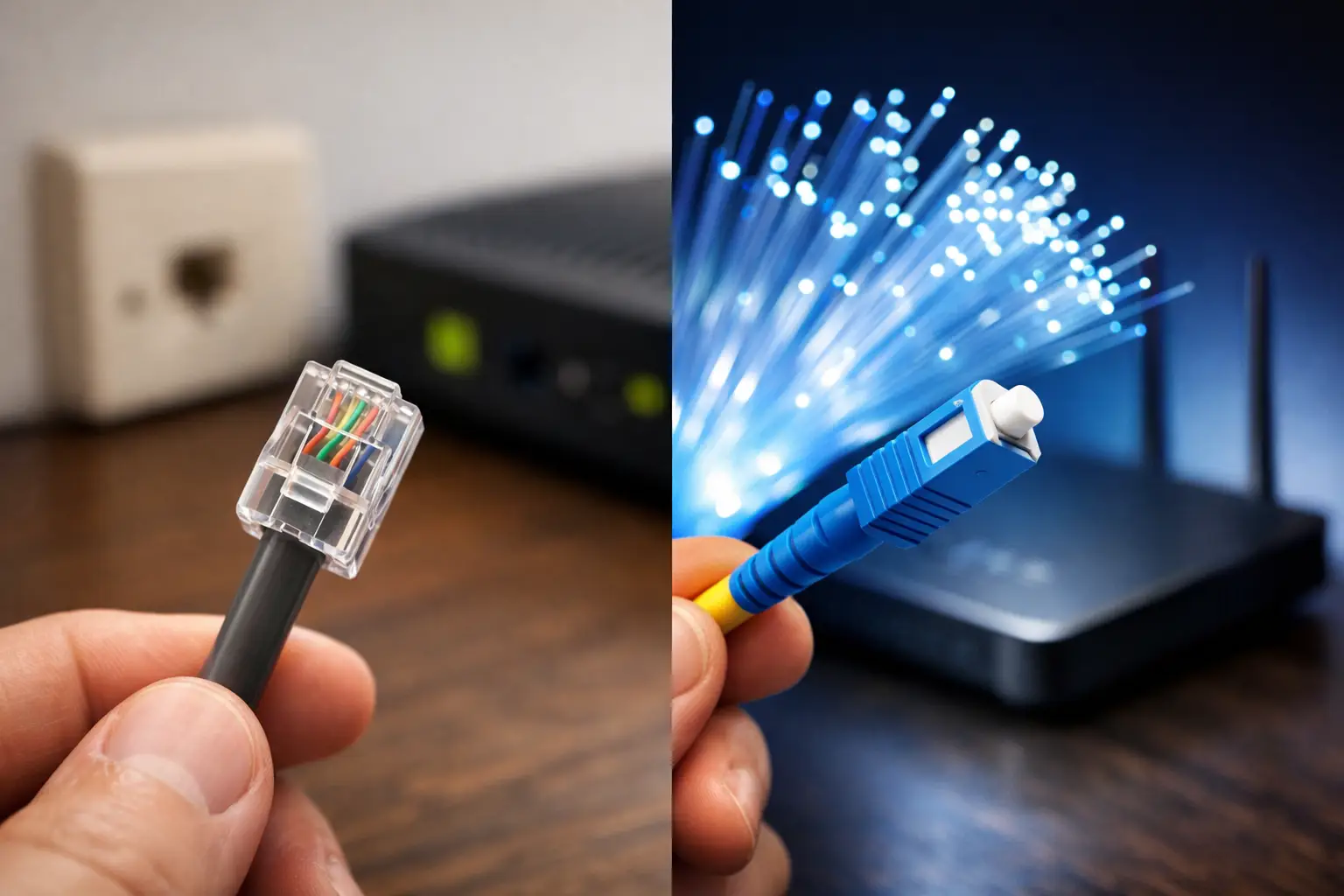
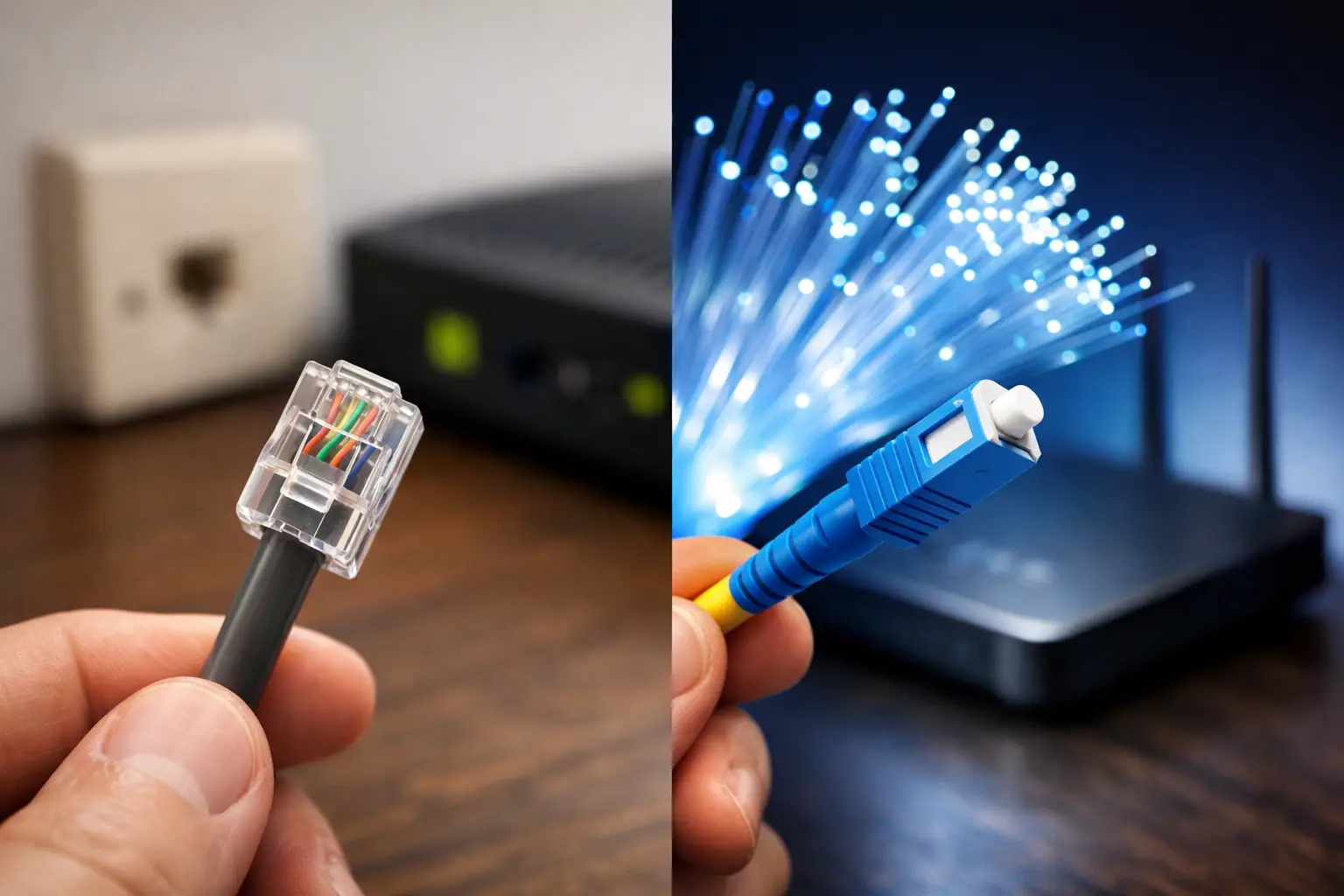
VDSL is an internet technology that runs over the existing telephone line infrastructure. Fiber carries data over fiber optic cables. In practice, this difference directly affects speed capacity and connection quality.
VDSL is usually a good solution in areas where fiber infrastructure isn't as widespread. Under the right conditions, it can deliver enough performance for everyday use, remote work, online classes, streaming shows and movies, and standard office tasks. However, speeds can drop as the distance to the exchange or street cabinet increases. Old wiring inside the building can also affect performance.
Fiber, on the other hand, has the advantage of delivering higher speeds more consistently. More predictable performance, especially at peak hours, is a big plus for people who upload large files, teams working in the cloud, gamers and households that watch 4K content. In short, if the infrastructure is available, fiber is generally the stronger option. But it isn't the only right answer for every user.
Just as important as speed: Stability
Even if a connection looks good on a speed test, the user experience suffers if it fluctuates throughout the day. With VDSL connections, this can happen more often depending on line quality and distance. For some users the difference is barely noticeable, while in some homes it becomes obvious, especially in the evening.
With fiber, signal loss is lower and the connection is less affected by external factors. That means fewer freezes on video calls, more consistent ping in online games and more balanced performance when many devices are connected. If the internet isn't just for consuming content but is also critical for running your work, stability matters at least as much as speed.
Your usage scenario is key when choosing between VDSL and fiber
In a two-person household where the internet is mostly used for social media, video platforms and everyday tasks, VDSL is often enough. If the infrastructure is in good shape and the line distance is suitable, users can be very satisfied. In this case, upgrading to an unnecessarily expensive package doesn't always make sense.
On the other hand, if one person at home is in an online meeting while others are streaming in high resolution, uploading files to the cloud and smart devices are constantly connected, the level of need changes. In this scenario, the high capacity and more stable performance of fiber make a real difference. Upload speed shouldn't be overlooked, especially for professionals working from home. Tasks like uploading files for a presentation, joining meetings with your camera on or running backups make upload quality directly noticeable.
The picture is similar for small businesses. POS systems, cloud software, camera monitoring solutions and customer transactions all running at the same time in an office make connection continuity critical. In these environments, rather than looking only at the cheapest option, you need to choose the solution that supports business continuity.
If fiber is available, is VDSL a bad option?
No. The most common mistake here is automatically seeing VDSL as the weaker option. In fact, VDSL infrastructure in good condition can provide satisfying performance for many users. Especially in areas where fiber access isn't available yet, VDSL is still a strong and sensible alternative.
The key is setting the right expectations. If you're aiming for very high speeds, have many simultaneous users or your connection carries a heavy workload, fiber comes out ahead. But if your basic needs are more moderate and quality VDSL service is available in your area, the experience can be perfectly adequate.
That's why, when deciding, you need to look not just at the name of the technology but at the actual infrastructure at your address. Even in the same neighborhood, or on the same street, results can differ due to in-building wiring and line conditions.
VDSL or fiber in terms of value for money?
When it comes to price, people's first instinct is to look at the monthly fee. That's natural, but incomplete. If a low-cost package drops frequently, slows down your work or forces you to keep switching to mobile data, the total cost actually goes up.
VDSL can often stand out as the more affordable option. For users with moderate needs, this is a real advantage. Fiber may be priced higher in some packages because of its higher performance, but what it delivers under heavy use increases accordingly.
The right question is: the cheapest package, or the package that meets your needs without interruption? If the internet is one of the essential services in your home, you should consider how a difference of a few hundred lira affects your daily experience. Especially for remote workers and businesses, value for money should be judged in a broader context than the monthly fee.
The reality of modems, Wi-Fi and in-building wiring
Many users blame a poor internet experience entirely on the infrastructure. But the in-home setup also has a major impact on the result. Old modems, poorly positioned devices, crowded Wi-Fi networks and worn-out building wiring can reduce performance on both VDSL and fiber connections.
With VDSL, the quality of the in-building wiring has a more visible effect. The condition of the cable between the wall socket and the modem, whether there are any splices, and line cleanliness all matter. With fiber, even though the infrastructure has the edge, users still won't get the experience they expect if Wi-Fi coverage is poor. In other words, even if you choose the right technology, the result may disappoint if the installation side is neglected.
So when choosing a package, rather than focusing only on the speed figure, you should also consider details like modem compatibility, the size of your home and the number of devices. Accessible support also makes a difference here. Being able to get a quick fix when something goes wrong is part of the real quality of an internet service.
Questions to ask yourself before deciding
The best answer to the VDSL or fiber question comes from a few clear questions. How many people at home use the internet at the same time? Is the internet used only for browsing and watching videos, or is it critical for work and education? Do you upload files often? Is fiber infrastructure actually active in your area? What condition is your building's internal wiring in?
Once you answer these questions honestly, the choice becomes easier. For more basic use and with suitable infrastructure, VDSL can be a sensible choice. For heavier use, higher expectations and where access is available, fiber is generally the better investment.
Deciding is more practical with service providers like Tepenet that offer different infrastructure options as well as online applications and support. Because for the user, it's not just about buying a package. An easy application, being able to track the process and getting support when needed are just as valuable as the technology itself.
Which option makes more sense for which user?
If you live alone and mainly use the internet for streaming, social media, online banking and everyday tasks, a good VDSL line will most likely do the job. If it's a family home but there isn't much heavy traffic at the same time, VDSL can still be enough.
On the other hand, if you work from home, have frequent video meetings, stream high-resolution content, play games or use many smart devices, fiber provides a more comfortable experience. In small offices and businesses with customer traffic, the stability of fiber is often the safer choice too.
There are gray areas as well. For some users, a strong VDSL line can be more satisfying than an entry-level fiber package. In other cases, even with fiber infrastructure, the expected difference may not be felt because of Wi-Fi issues at home. That's why the evaluation should be based on real-world usage conditions, not theory.
Choosing an internet connection isn't a technical race; it's a decision to make daily life easier. Once you find out which infrastructure is available at your address and match it correctly with your usage habits, the right answer becomes clear. The best connection isn't the one that looks highest on paper, but the one that meets your needs consistently and effortlessly at home or at work.