
If the TV stream freezes during a video meeting at home, pages load slowly while the kids are gaming, or large files take hours to download, a high Mbps figure in the package name may not be enough on its own. The fastest home internet packages should be judged not only by the download speed on paper, but also by the infrastructure at your home, the number of devices connected at the same time, latency and the quality of technical support.
With the right package, the internet stops being a problem that disrupts your day. Online classes are easier to follow, remote work goes uninterrupted, response times in games drop, and everyone at home can use the connection more efficiently at the same time. The first step is to clarify your own needs and the infrastructure available at your address before looking at advertising slogans.
Check the infrastructure first when looking for the fastest home internet packages
The speed a package can actually reach depends largely on the connection technology that reaches your building. The same speed option may not deliver the same experience at every address. That is why the first thing to check is whether fiber, VDSL or wireless internet infrastructure is available in your area.
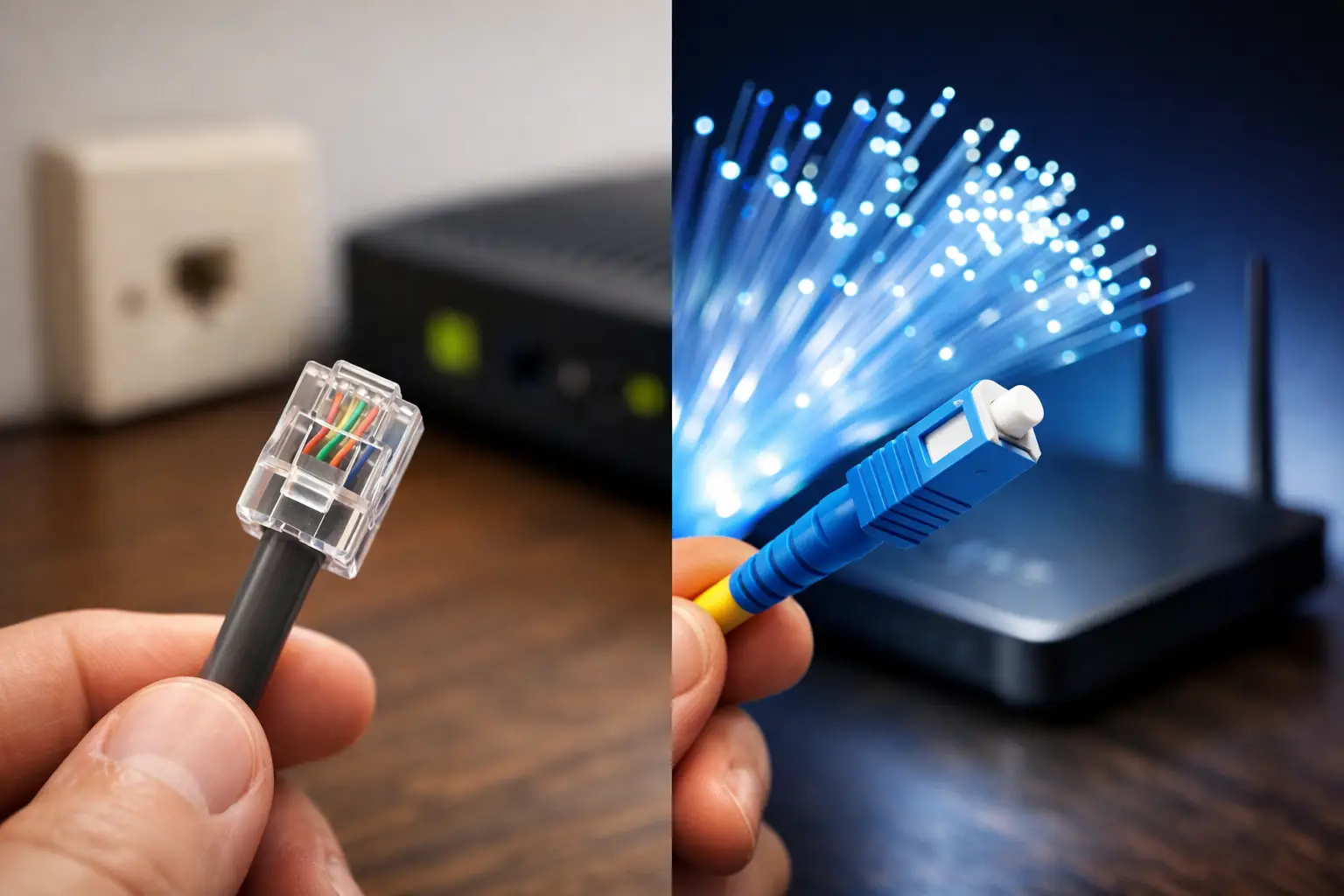
Because fiber internet carries data using light signals, it is a strong option for users seeking high speed and low latency. People working from home, families with heavy simultaneous internet use, online gamers and those watching high-resolution content in particular notice the difference fiber makes. For tasks such as uploading large files, cloud backups and video calls, upload speed also becomes important.
VDSL is delivered over copper cable infrastructure and is widely available in many areas. At addresses that fiber does not reach, it can provide balanced results for everyday use, streaming, online education and standard remote work. However, the building's distance from the exchange or street cabinet can affect real-world speed and stability.
In some locations where wired infrastructure is limited, wireless internet alternatives are considered. Here, signal quality, line of sight, environmental conditions and the installation point become more decisive. This option is important because it makes internet access possible at addresses without suitable infrastructure; however, for very heavy use that is highly sensitive to latency, an address-specific assessment should be made.
Determine your speed needs based on how you use the internet at home
The highest speed doesn't always mean the right package. Rather than paying for a package with more capacity than you need, choosing one that matches how your household uses the internet offers a smarter balance of price and performance. On the other hand, a package with a low starting speed can hurt the whole household's experience during peak hours.
For someone living alone who mainly uses social media, email, web browsing and HD content, basic and mid-range speeds may be sufficient. If two or three people at home are streaming, joining meetings or attending classes at the same time, a higher speed tier should be chosen. Needs such as 4K streaming, online gaming, content creation, security cameras and frequent file uploads make high-speed packages even more worthwhile.
Don't focus only on download speed. Upload speed affects audio and video quality, especially in video calls. For people who send files to the cloud, share designs or videos for work, livestream, or use a camera system at home, this figure directly affects daily productivity.
Latency is a separate criterion. Latency is the round-trip time for data between your device and its destination on the internet. Even with a high Mbps figure, if latency fluctuates, competitive online games, video calls and remote desktop connections may not run as smoothly as expected. That's why low latency and a stable connection are just as important as speed.
How many devices are connected at the same time?
When calculating your home internet needs, think about the number of active devices rather than the number of people. In a family, phones, computers, tablets, a smart TV, a game console, a robot vacuum, cameras and other smart home products may all be connected to the same network. Even if not every device uses a lot of data all the time, the total load on the network increases.
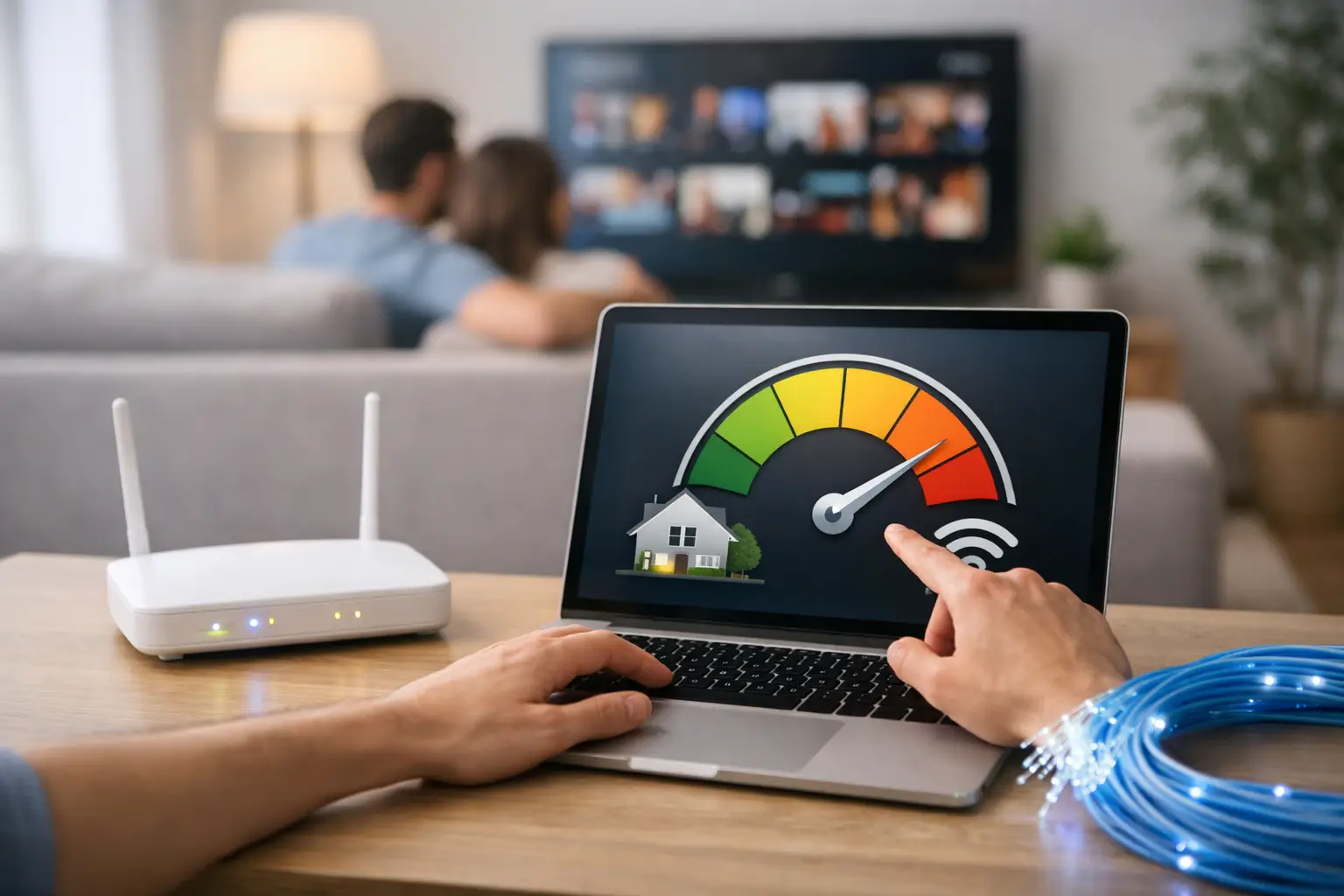
A common evening scenario: the TV is on, one person is in a meeting, another is gaming and the phones are running backups. In a home like this, modem capacity and the wireless network setup shape the experience as much as the package's theoretical speed. Reviewing your in-home Wi-Fi setup before upgrading your package is often helpful.
Modem and Wi-Fi setup change your speed experience
Even with a strong internet package, an old modem or a poorly positioned device can make the connection feel slow. Placing the modem inside closed cabinets, close to the floor or behind thick walls reduces wireless coverage. A central, open location helps provide a more balanced signal across a larger part of the home.
If you use newer devices heavily, dual-band modems can be an advantage. The 2.4 GHz band offers wider coverage, while the 5 GHz band can deliver higher performance at suitable distances. However, the 5 GHz signal is more affected by walls. In large homes, multi-storey buildings or rooms where the signal is weak, it may be necessary to consider an additional access point or a mesh system.
For stationary devices such as desktop computers, game consoles or smart TVs, using an Ethernet cable whenever possible provides a more stable connection. Wi-Fi offers convenience, while a wired connection can be more predictable in terms of latency and signal fluctuation. This small choice makes a difference, especially for gaming and high-resolution streaming.
Don't look only at the monthly fee when comparing packages
When looking for fast internet, the promotional price certainly matters, but the overall experience goes beyond the price tag. Installation conditions, modem options, activation time, contract structure and support channels should all be reviewed together when applying. Even if a package looks right for you, an attractive price can lose its value if the process is complicated or getting support when you need it is difficult.
Contract packages can offer a more predictable monthly cost. On the other hand, for those planning to move, considering short-term use or wanting flexibility, no-contract and prepaid options may be more suitable. There is no single right answer: what matters is finding the option that fits how long you'll use the internet and your budget plan.
Fair usage terms, additional services and possible installation costs in the package conditions should also be clearly evaluated. Setting your speed expectations according to the infrastructure at your address also prevents disappointment. A provider that gives realistic information and manages the process transparently from start to finish makes your connection decision safer.
Why are the application and support processes as important as speed?
With a new internet connection, most users care more about how smoothly the process goes than about technical details. Online application, digital documents and approval steps, appointment tracking and the ability to check the status of your request all save time. Managing your internet service through a mobile app or online services also brings billing, package and support needs together in one place.
Accessibility is especially important when it comes to support. When there is a connection problem, users want to know clearly what to do rather than face a long, uncertain process. 24/7 support, fault ticket tracking and clear guidance build a sense of trust just as much as the technical strength of the connection. With providers like Tepenet, which assess fiber, VDSL and wireless options based on your address infrastructure, clearly sharing your needs before applying helps you reach the right package faster.
Do a quick needs check before deciding
Before choosing a package, think about the hours when you use the internet most, how many devices connect at the same time and how much upload speed you need. Then check the infrastructure at your address and compare packages not only by their Mbps value, but also by latency, installation, flexibility and support.
The right home internet isn't about picking the highest number; it's about finding the connection that reliably meets your home's real usage. Once you've learned about your infrastructure and clarified your needs, you can review the package that suits you and start the application process with confidence.