
A POS terminal dropping its connection mid-payment, cloud files opening slowly or audio cutting out during a video meeting may seem like minor issues, but they directly disrupt your workflow. That's why, when choosing a business internet package, looking only at discounts or the advertised top speed isn't enough. You need to consider how your business works day to day, the infrastructure available at your address, your upload needs and your support expectations together.
The right connection does more than get employees online; it supports customer communication, sales processes, remote work and the efficiency of your digital tools. A small office and a business handling a high volume of orders don't have the same needs. The best package isn't the one with the biggest number, but the one that consistently meets your usage scenario.
Why should business internet packages be evaluated differently?
With home internet, evening video streaming and social media use may be the main concern. In a business, however, the connection carries multiple systems at once throughout the day. Email, cloud-based accounting software, e-commerce admin panels, IP camera recordings, remote access, online meetings and customer transactions may all share the same line.
Under this kind of load, download speed alone isn't a meaningful measure. For an agency uploading product images, an office running cloud backups or a store monitoring its cameras remotely, upload speed is just as decisive. Likewise, a one-computer consultancy and a business with 20 employees using systems simultaneously have very different bandwidth needs.
Continuity also matters in business use. How quickly you can get support when a problem occurs, which channels you can use to report a fault and how the process is tracked are all part of the decision. A price-performance assessment should cover these operational impacts as well as the monthly fee.
Start by mapping your business's usage profile
Before you start researching packages, identify the tools that rely on the internet. This doesn't require a complex technical analysis. Reviewing which teams use the connection during the day, how many people and for what purposes is a good enough starting point.
Calculate concurrent usage, not headcount
Having 15 people in the office doesn't mean 15 people are constantly using a lot of data. But if the whole team turns on cameras, shares files and accesses cloud systems during meetings, the concurrent load rises. When choosing a package, focus on real usage at peak times rather than total headcount.
Businesses with heavy customer traffic, such as cafés, shops, clinics and beauty salons, should also factor in their guest Wi-Fi network. When staff devices, POS systems and guest access are combined uncontrolled on the same connection, critical transactions can slow down. Where possible, plan to manage business systems and the guest network separately.
Categorize the applications you use
A moderate capacity may be enough for web-based accounting and email. By contrast, high-resolution file transfers, regular cloud backups, live streaming, multiple IP cameras or VoIP phones require higher and more balanced capacity.
Businesses using cloud storage in particular shouldn't think only about downloading files. Automatic end-of-day backups, sending large files to clients or field teams uploading content all create heavy upload demand. At that point, upload performance directly affects day-to-day productivity.
Infrastructure and upload matter as much as speed
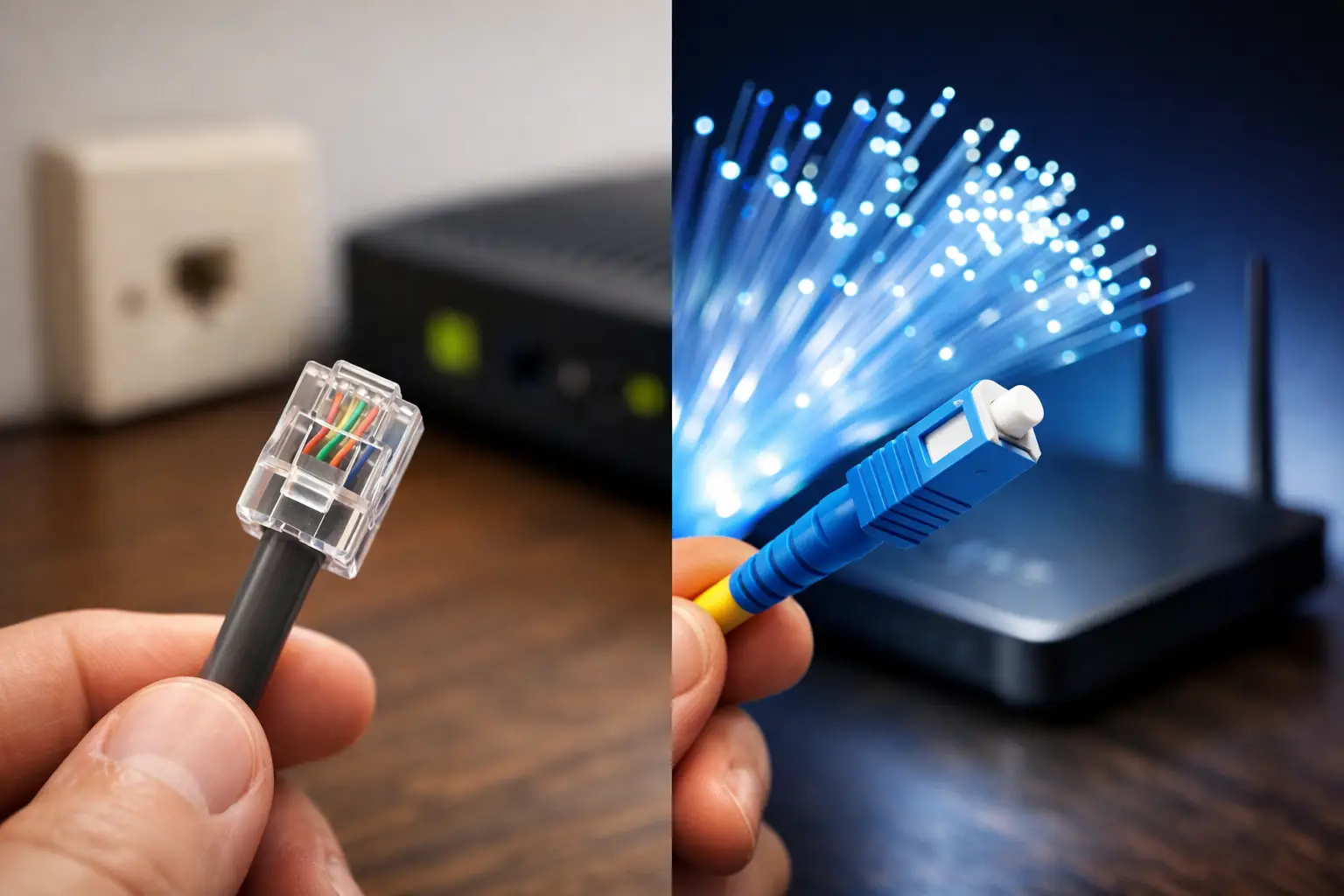
The infrastructure at your business address determines which packages are available. At addresses with fiber infrastructure, high capacity and a stronger user experience may be possible. Where the infrastructure is suitable, VDSL can meet the core needs of many small and medium-sized businesses. In locations where fiber or wired infrastructure is limited, wireless internet solutions are worth considering.
The advantages of each option depend on the conditions. Fiber can be a strong choice for heavy data use, while a wireless solution may be deployed faster at a location where existing infrastructure isn't suitable. With the VDSL option, the condition of in-building wiring and the distance to the exchange can affect performance. So decide based on the real options available at your address, not just on package names.
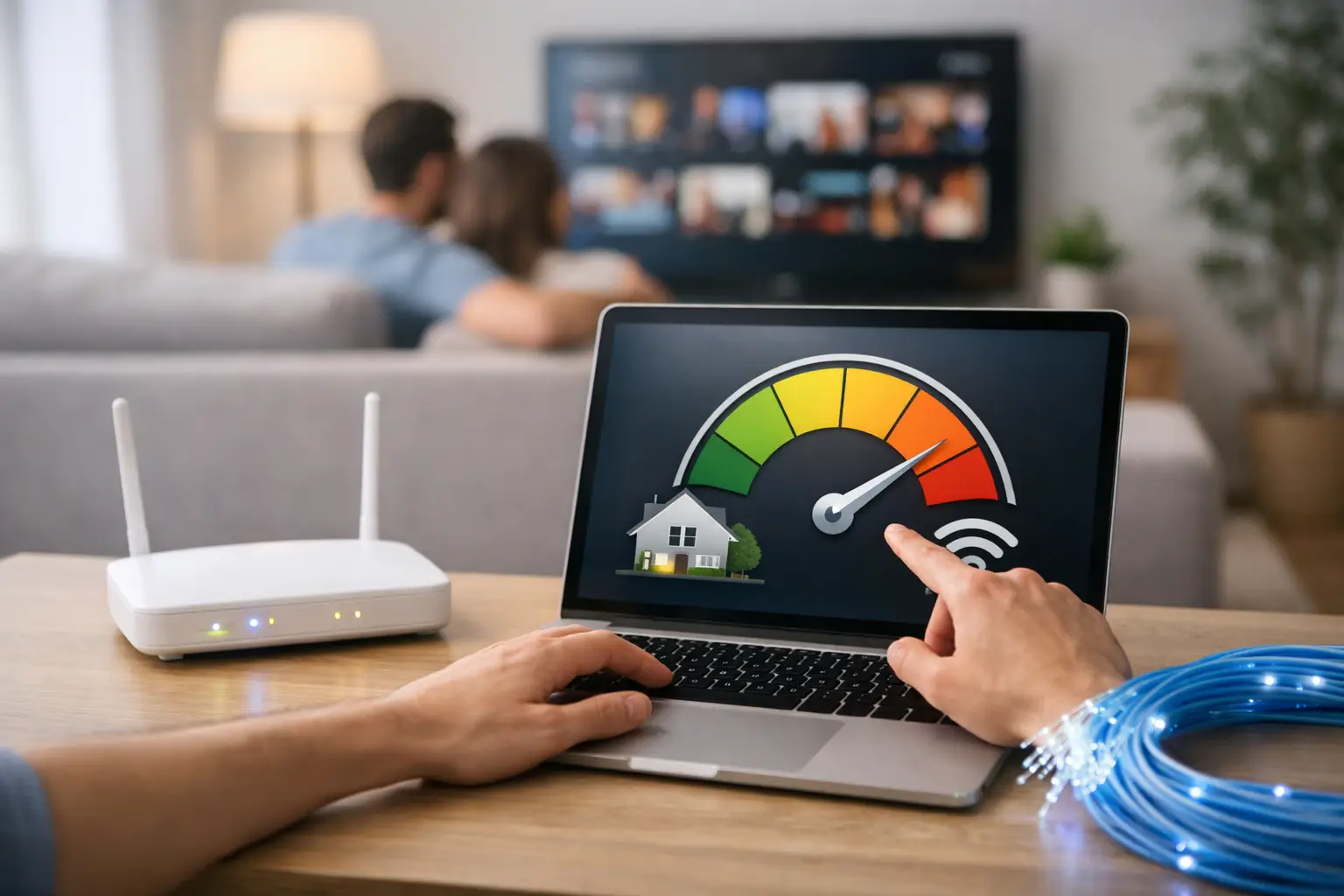
Review the download and upload speeds in the package description together. In businesses that hold frequent video calls, share design files or send camera footage to the cloud, low upload speed can become a bottleneck. It's often one of the reasons meetings go badly even when the internet seems fast.
Support, security and ease of management are part of the decision
For businesses, connectivity isn't a service that ends once installation is complete. Modem settings, Wi-Fi coverage, device replacements, billing or fault reports occasionally require support. Accessible customer service and the ability to track processes through digital channels make day-to-day management easier.
A business that runs 24/7 doesn't have the same support needs as an office open only during business hours. If critical sales systems, online booking platforms or security cameras depend on the internet, it's worth finding out the support channels' hours from the start. Knowing what steps to take during an unexpected outage reduces lost time.
Basic security measures shouldn't be overlooked either. Using a strong Wi-Fi password, changing the modem admin credentials, separating the guest network and regularly checking for unauthorized devices are simple but effective practices. Remote teams, camera systems or specialized software may create additional needs such as a static IP. Whether this is truly necessary should be assessed based on the software and access model you use.
Online service channels also offer a practical advantage for business owners and office managers. Managing subscription details, payments or support requests from a single place reduces phone traffic and unnecessary waiting. Tepenet's digital application and service channels support this approach for businesses looking for speed and control in managing their connection.
Compare the total cost of business internet packages
The monthly fee is an important criterion, but it shouldn't be the only one. Installation, modem or additional equipment requirements, any activation fee, contract terms and overage charges can all affect the total cost. Comparing prices on the basis of the same speed, the same infrastructure type and similar service scope gives a more reliable result.
Contract packages can be advantageous for budget planning. However, for businesses that may relocate, operate seasonally or have uncertain growth plans, no-contract or prepaid alternatives may offer more flexibility. The right choice here depends less on short-term discounts and more on how much room your business needs to maneuver in the coming period.
It's also worth remembering that a high-speed package isn't essential for every business. A business with few users working with basic office applications may not want to pay for more capacity than it needs. On the other hand, if you experience constant slowdowns at peak times, a cheaper package can actually end up costing more due to lost productivity.
Ask these questions before you decide
When evaluating offers, clarify these four questions to make your sales conversation more productive:
- Which infrastructure type and which real speed options are available at my address?
- At peak times, how many people will be using which applications simultaneously?
- Is my upload speed sufficient for file sharing, backups and video calls?
- What are the installation, support, contract and potential extra fee terms?
These questions highlight the differences between packages that seem similar. They also open the conversation not only to your current needs but to near-term plans such as new employees, a second branch, more cameras or growing online sales.
Choosing a good internet package doesn't start with memorizing technical terms, but with clearly defining what your business expects from its connection. Share your usage habits and address details clearly when requesting an offer; that way, your connection becomes a tool that keeps pace with your daily work.