
If your video calls freeze in the evening, your games lag when several devices connect at home, or cloud-based software slows down at the office, a low-priced package alone may not be enough. When researching the best internet deals of 2026, the real value comes from more than the monthly fee. It also depends on infrastructure compatibility, reliability, installation terms and access to support.
An internet subscription is now a basic necessity for most households and businesses. Reducing your choice to the single question of “how many Mbps?” can lead to extra costs or disappointment later on. The right approach is to find out which technology is available at your address and then make a clear comparison based on how you actually use the internet.
How to choose the best internet deals in 2026
A good deal doesn't mean the same thing for everyone. Someone who lives alone and mostly uses the connection for messaging, social media and streaming series and films has very different needs from a family that works from home, joins online meetings or uses many devices at once. For small businesses, payment systems, security cameras, cloud applications and customer communication make the connection even more important.
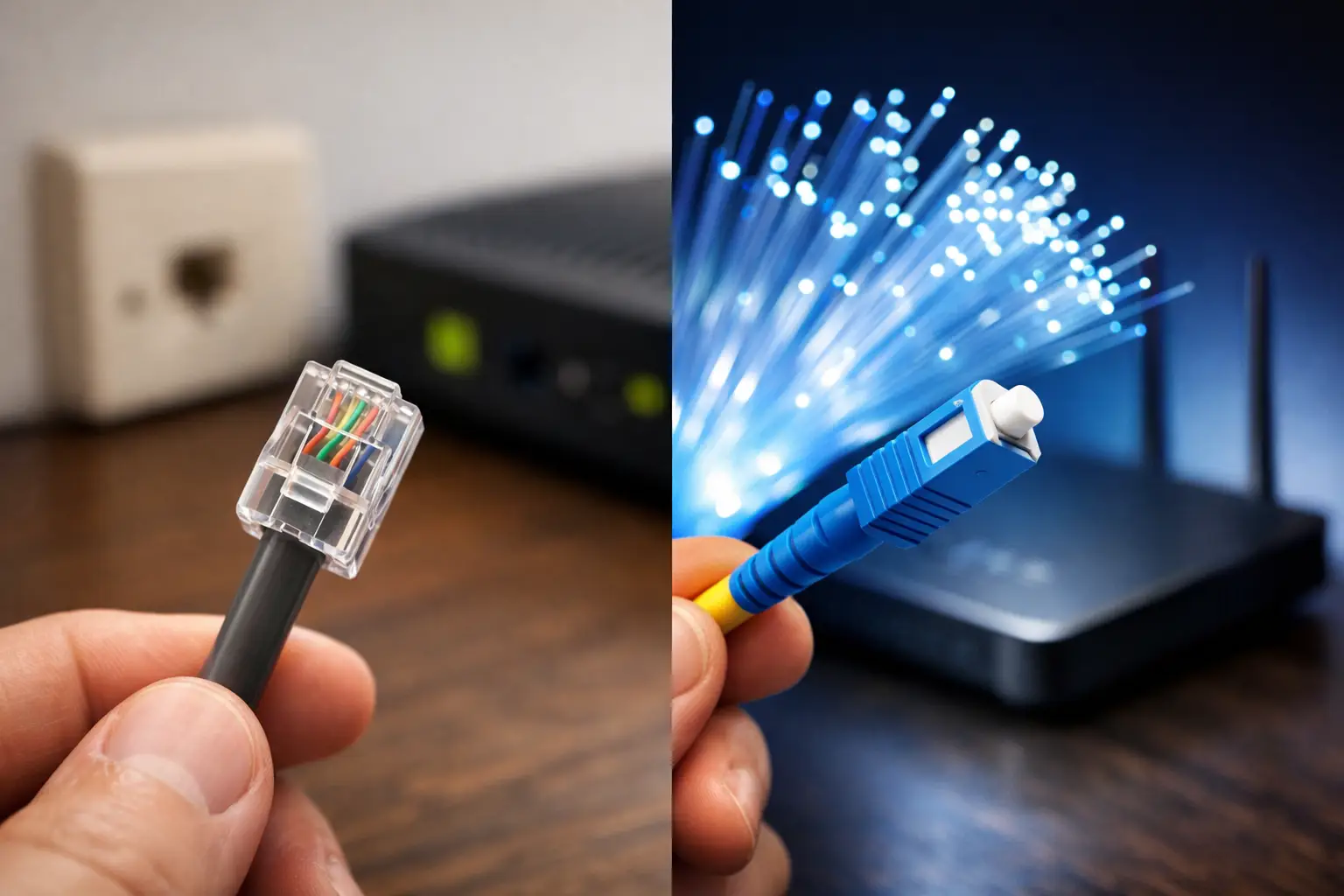
That's why the first thing to look at is infrastructure, not price. At an address with fiber infrastructure, you can expect high speeds and a more stable experience. Where fiber isn't available, VDSL can be a strong option for everyday use and many business needs, provided the infrastructure conditions are suitable. In areas where wired infrastructure is limited, wireless internet solutions are also worth considering.
When evaluating a deal, ask about upload speed as well as download speed. For users who send large files, back up to the cloud, live stream or join frequent video meetings, upload performance makes a direct difference. Latency also matters a great deal for online gaming, remote access and voice and video calls.
Look at the price as a total monthly cost
The first-month price shown in an ad may be eye-catching, but you should calculate the cost over the entire period before deciding. Items such as the modem, activation, installation, relocation, taxes and the price after the promotional period all affect your total budget. This detail is especially important for households on a tight budget and for businesses that want to keep costs under control.
Packages with a contract can offer more predictable pricing for a set period. On the other hand, no-contract options may be more flexible for people who might move, short-term renters or businesses whose needs may change. There's no single right answer. If you use the internet regularly and plan to stay at the same address for a long time, a contract can work in your favor. If freedom to change matters more to you, flexibility comes first.
Match your speed to how you use the internet
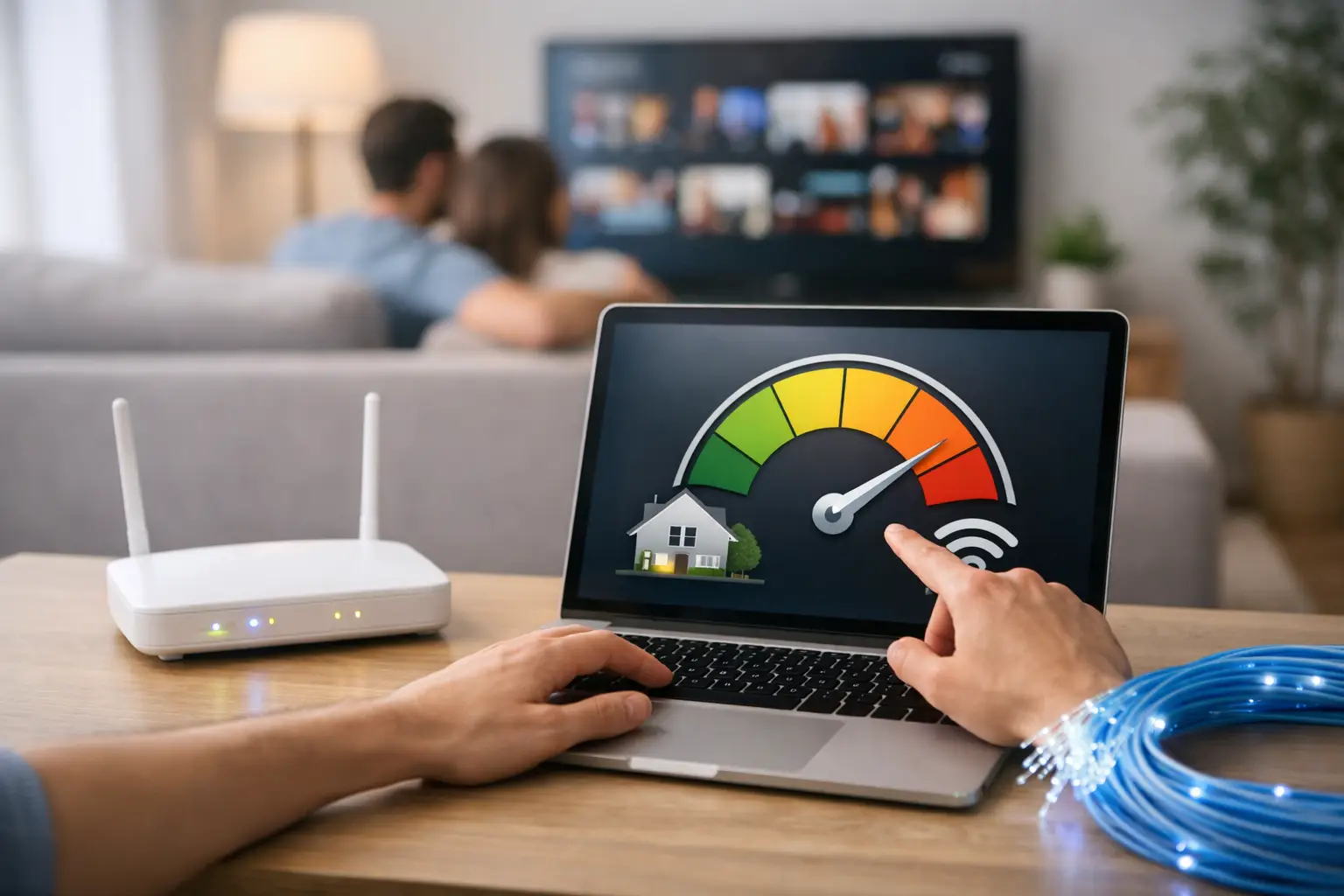
High speed isn't always unnecessary, but choosing a package far faster than you need can strain your budget. When choosing a speed, think about how many people and devices connect to the internet at the same time at home or at work. Phones, TVs, tablets, game consoles, security cameras and smart home devices all add to the total load.
For basic use, such as browsing, email, social media and standard video streaming, moderate speeds may be enough. In households where several people stream in high resolution, attend online classes or work from home, higher speeds provide more comfort. In offices, you should consider the applications in use as well as the number of employees. An accounting office with only a few computers and a design agency that transfers large files all day have very different needs.
Modem placement also affects your experience. Putting the modem in a closed cabinet, behind thick walls or next to lots of electronic devices can weaken the Wi-Fi signal. Checking where your modem sits and how far the wireless coverage reaches in your home before changing packages can solve unexpected performance problems.
Check these details in the deal terms
When comparing internet deals, getting clear answers on four points makes the decision easier:
- The type of infrastructure available at your address and the realistic speed you can get
- Monthly fees for the first month, the promotional period and after the promotion ends
- Installation, activation, modem and any relocation fees
- Contract length, cancellation terms and no-contract alternatives
Having this information up front is the simplest way to avoid surprises later. Keep in mind that infrastructure quality plays a role in speeds advertised as “up to”. Checking availability at your address before applying helps you choose a service that suits your location rather than a package that only looks good on paper.
Why easy installation and online processes matter
A good deal should save you time from the moment you apply, not just after your connection goes live. When paperwork, approval and installation appointments take longer than they should, even the best price can lose its appeal. Options such as online applications, digital contracts and approval via e-Devlet (Turkey's e-Government portal) give you more control over the process.
Once your subscription starts, you also need easy access to bills, package details and support requests. Being able to manage your subscription through a mobile app or online customer portal is a practical advantage, especially for busy users. For small business owners, spending less time on phone calls and long waits when handling connection matters makes day-to-day operations easier.
With providers like Tepenet, which bring applications, subscription management and support channels together through digital tools, you should weigh the price advantage of a deal together with how convenient it is to use every day. A speed test result isn't the only thing that shapes your experience. Being able to get things done when you need to matters too.
Support quality: the hidden side of every deal
When your connection is working smoothly, support may seem like an afterthought. But just before a remote meeting, when a shop's payment system is waiting for a connection, or when an online class drops at home, quickly reachable technical support becomes far more valuable. So when choosing a deal, look at the support channels, their hours and how faults are reported.
24/7 support gives peace of mind, especially for users who can't afford to wait out an outage. Still, how long a fix takes can vary depending on the infrastructure, the cause of the fault and the wiring inside the building. A provider that explains the process clearly helps set the right expectations.
Problems caused by in-home wiring and regional infrastructure issues aren't resolved in the same way. That's why sharing details with the support team, such as the modem lights, when the connection dropped and whether the problem affects all devices, can speed things up.
Different priorities for households and businesses
Families should mainly focus on how many people use the connection at once, their streaming habits and their children's schooling needs. If you're planning to move, also check the relocation terms and how flexible the contract is. For freelancers, upload speed, video call quality and being able to reach support during an outage may be more critical.
For small and medium-sized businesses, choosing an internet package based only on the number of employees isn't enough. POS terminals, IP cameras, remote access, backup systems and guest networks can all increase connection needs. If your business's internet is part of how you earn revenue, stability and technical support should be as much of a priority as price.
Rather than rushing through your comparison, check the infrastructure at your address, review the total cost in writing and estimate your usage realistically. The right package isn't the one that looks fastest on paper. It's the one that keeps your connection fast, easy to manage and reliable whenever you need it.