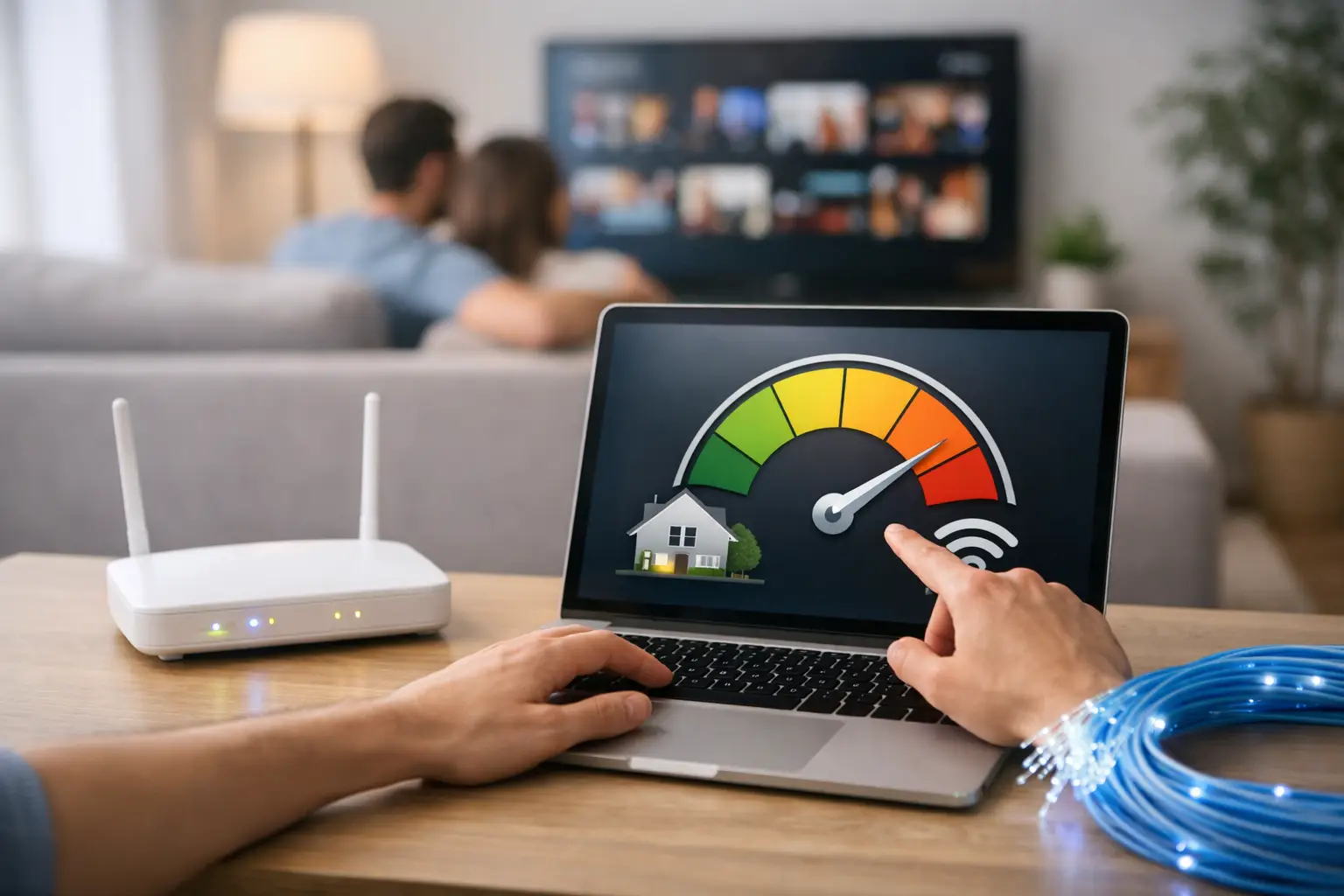
If, in the evening, someone is streaming on the TV, another person is joining a video meeting and the kids are playing online games all at the same time, choosing an internet connection is about more than just the package speed. When deciding between fiber and wireless internet, you need to consider the infrastructure available at your address, how many people will use the connection and the role the internet plays in your work. The right option isn't the one with the biggest number; it's the one that handles your daily usage without interruption.
The key difference between fiber and wireless internet
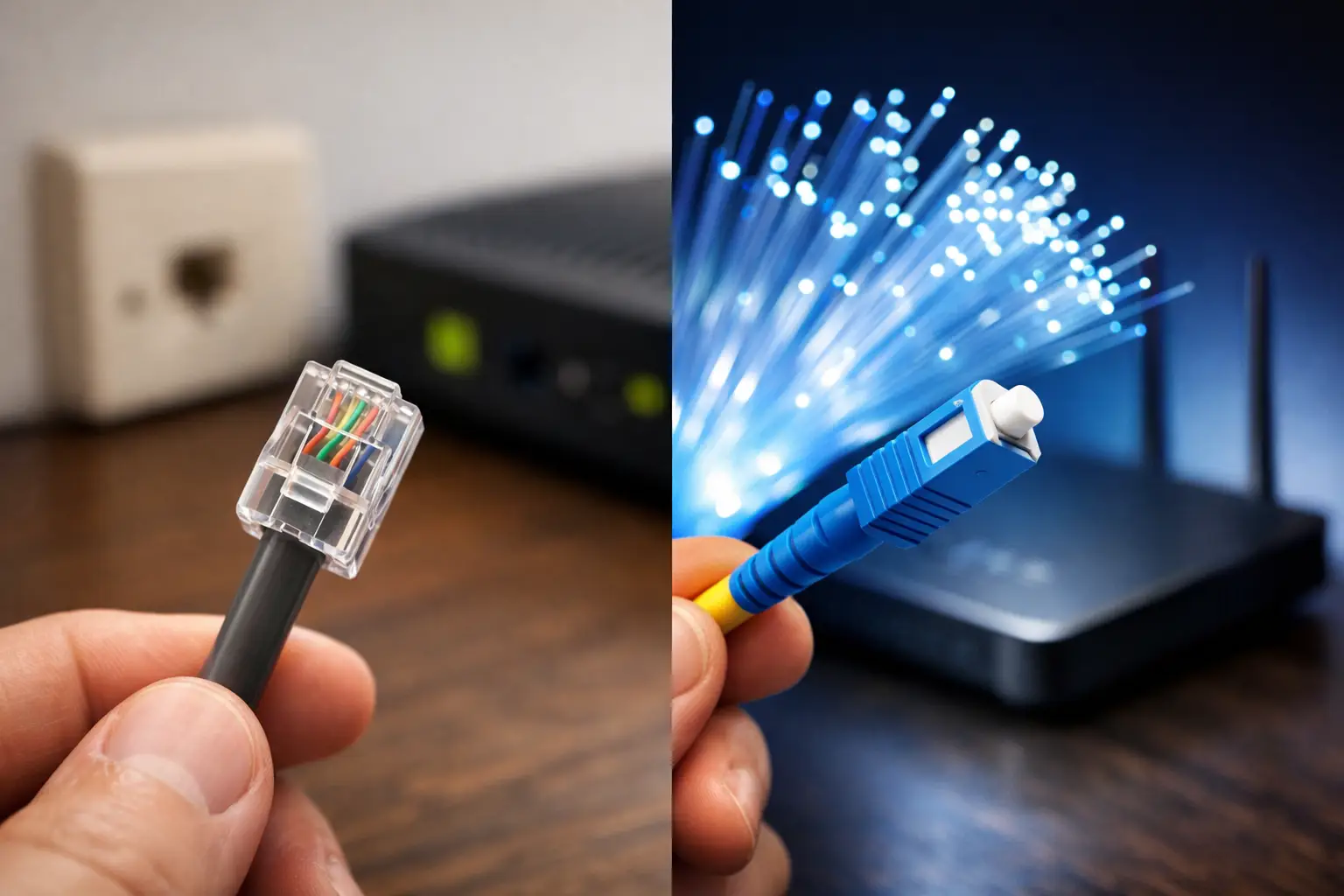
Fiber internet runs over fiber optic cables that transmit data as light signals. This setup offers not only high speeds but also low latency and a more consistent connection. For people working from home, those who send large files regularly, families using multiple devices and businesses that depend on digital sales channels, this consistency makes a real difference.
Wireless internet, on the other hand, is usually a connection delivered to the user's address by radio signal from a fixed point. A major advantage is that it can provide internet access in areas where wired infrastructure is limited. However, its performance can be more affected by factors such as distance from the transmitter, line of sight, environmental conditions and the number of users sharing the same network.
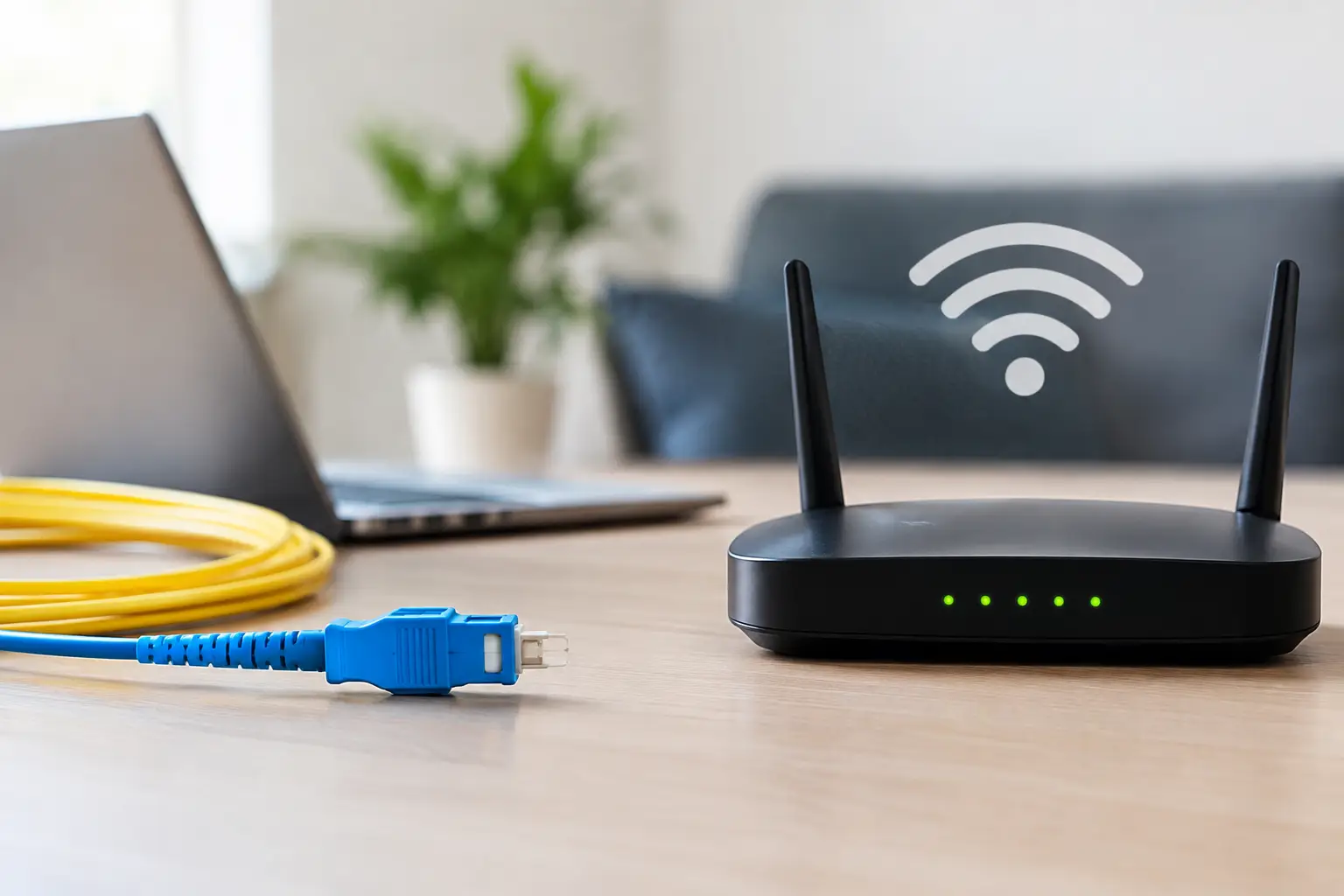
There's a distinction that often gets confused here: even with a fiber internet subscription, you can use Wi-Fi at home through your modem or router. In other words, Wi-Fi is the way your devices connect wirelessly to the modem. Wireless internet service, by contrast, refers to the technology used to deliver the internet to your address. Separating these two concepts is the first step to comparing packages properly.
Performance criteria to check before speed
Download speed is the first thing you see in internet packages. But it isn't the only value that determines the real-world experience. Especially for needs such as video calls, cloud backup, security camera monitoring and online gaming, upload speed and latency are also decisive.
Why does latency matter?
Latency is the time it takes for data to travel from your device to a server and for the response to come back. It's measured in milliseconds. The lower the latency, the more natural audio and video feel in video meetings, the faster commands respond in online games and the more smoothly remote access tools work.
Fiber infrastructure generally has the edge when it comes to low, stable latency. With a wireless connection, signal conditions and network congestion can occasionally cause latency to rise. This may not be very noticeable for social media and basic web browsing, but it is felt in real-time applications.
Who needs fast upload speeds?
Many users focus on download speed because watching videos, downloading games and opening websites all use download capacity. However, for content creators who upload photos and videos, offices that share large files, teams working in the cloud and professionals who are constantly in online meetings, upload speed is at least as important as download speed.
Depending on the technology and package, a fiber connection can deliver high upload performance. With wireless internet, be sure to check the upload speed in the package details. If your business's daily workflow depends on sending files, put this information at the center of your decision.
Which usage habits is fiber internet best suited to?
Where the infrastructure is available, fiber is a strong option for users looking for high capacity and stability. Four people in the same home using different apps at once doesn't mean the connection will always struggle. With sufficient speed and the right in-home setup, the connection can meet everyone's needs.
For example, if one person working from home is in a meeting while another is streaming in 4K, someone else is gaming and phones are running automatic backups, fiber's capacity advantage becomes clear. A connection that behaves more predictably during peak hours makes daily planning easier.
In small and medium-sized businesses, POS systems, cloud accounting apps, IP cameras, remote teams and customer communication may all rely on the same connection. In this scenario, an outage or slowdown isn't just an inconvenience; it's an operational cost. If the right infrastructure is available, fiber handles this need more comfortably.
Still, fiber may not be available at every address. The building's internal wiring, infrastructure investment in the area and port availability all affect whether the service can be provided. That's why you should base your decision on an infrastructure check for your specific address, not just on the experiences of people around you.
When is wireless internet the right choice?
In places where wired infrastructure is unavailable or doesn't offer enough capacity, wireless internet access can be a practical alternative. Providing access is a valuable advantage, especially for homes far from city centers, temporary offices, construction sites, holiday homes and local businesses.
With the wireless option, installation may require positioning a suitable outdoor unit or antenna. Line of sight to the transmitter, the building's physical structure and signal level should all be checked. Choosing based only on the promised maximum speed, without a proper preliminary assessment, can create a gap between expectations and experience.
This type of connection can be sufficient for basic office tasks, email, web browsing, social media, video streaming and everyday communication. However, for needs such as very heavy simultaneous use, high-resolution live streaming, competitive gaming or constant large data transfers, you should carefully evaluate the package's real capacity and latency values.
Four practical checks for choosing the right package
Clarifying these four points before you apply reduces the risk of dissatisfaction later on:
- Find out which type of infrastructure and which speed options are available at your address.
- Count the number of devices and users connecting to the internet at the same time at home or at work.
- Identify specific needs such as video meetings, gaming, camera systems or cloud backup.
- Plan the modem's location and the Wi-Fi coverage inside your home or office separately.
The last point is often overlooked. Even the fastest fiber package can deliver a weak Wi-Fi experience in other rooms if the modem sits in a closed cabinet, at one end of the house or behind thick concrete walls. Large homes and workplaces with many rooms may need additional access points, a mesh system or wired connection solutions.
Don't look only at the monthly fee when evaluating cost
The monthly fee is of course important when weighing value for money. But a connection that disrupts your work, lowers meeting quality or causes constant sharing issues at home is also a cost. So when choosing a package, look at speed, quota terms if there's a usage quota, installation details, equipment requirements and support channels together.
Whether a contract, no-contract or prepaid option suits you best also depends on how long you'll use it. For a short-term office, a seasonal holiday home or a household that may move, flexibility may be more valuable. Users who will stay at the same address for a long time and use the internet heavily can assess the total cost together with the campaign terms.
Support quality is the hidden side of the decision. Being able to get quick help during installation, with modem settings or when connection problems arise is part of the internet experience. Online transactions, digital applications and accessible technical support make the process much easier, especially for users with limited time.
With a provider like Tepenet that offers different infrastructure options, focusing on the package that fits your usage scenario after an address check, rather than just the highest speed, leads to better results. Clarify who uses the connection in your home, at what times and for what purpose; then evaluate the offer suited to your infrastructure with this information in mind. The right internet is the one that supports your daily life without you noticing it and never keeps you waiting when you need it.