
Going to a dealer, waiting in line and carrying paperwork around is no longer the first choice for most people who want to get connected. One of the most common questions today is: can you apply for internet online? The short answer is yes. But for the process to be truly fast and hassle-free, it helps to know what information is required, how approval is given and what can change during installation.
Applying online is a real convenience, especially for working people, those who depend on a home connection and businesses that don't want to lose time. Being able to complete your application at any time of day is a big advantage. Still, it's worth knowing that not every application ends the same way with a single click. Infrastructure availability, address verification, identity confirmation and the type of package you choose all directly affect how fast things move.
Can you apply for internet online, and how does it work?
Yes, in many cases an internet subscription application can be completed entirely online. You first check which infrastructure is available at your address, then make your package selection and submit the required details through a digital form. After that, the system reviews the application for technical eligibility and identity verification.
With some providers, the process is digital almost from start to finish. You enter your identity details, approve the contract through digital channels and, where needed, complete verification steps similar to e-Devlet. If everything checks out, an installation appointment is scheduled. This model is now very common, especially for fiber and VDSL.
The key point is this: applying online doesn't always mean you can start using the service immediately. Receiving the application digitally and physically setting up the line are separate stages. Factors such as port availability, in-building wiring, modem requirements or the existing line setup may require an on-site visit.
What information is required for an online internet application?
The information requested on application screens is generally similar. Your first name, last name, Turkish ID number, contact details and the full installation address are the basic fields. In some cases, you'll also choose your billing preference, package, modem request and campaign on the form.
For business applications, the process can be a bit more detailed. Additional fields such as tax number, company name, authorized person details and the business address for installation may be required. This difference comes from the contract and billing structure of individual versus corporate subscriptions.
Providing accurate information is critical here. Even a small mistake in your address can throw off the infrastructure check. Entering the street, building number, apartment number and district completely helps prevent your application from being held up unnecessarily.
Why is identity verification necessary?
An internet subscription is based on an official service contract. That's why the provider needs to confirm that the person applying really is who they say they are. This is required for both security and legal compliance.
Thanks to digital verification methods, this step is much more practical than it used to be. For some applications an SMS confirmation is enough, while others require an additional digital approval. If an application looks risky or incomplete, extra documents may be requested.
Is there a difference between applying online and in a store?
The basic goal is the same: to start the internet service that's right for your address. The difference lies in how the process is handled. Applying online saves time, makes it easier to compare options and lets you decide at your own pace. Applying in a store may feel more comfortable for people who prefer face-to-face support.
In practice, though, the online channel is more efficient for many people. You can review package details calmly, see current campaigns and complete your application in a few minutes. This is a major advantage, especially for busy professionals and small business owners.
On the other hand, in-person support can be more helpful in certain situations. If you have a multi-location business request, need a line transfer after moving or there's uncertainty about the building's infrastructure, speaking directly with a customer representative can speed things up. In other words, the right method depends partly on your needs.
The critical part of applying for internet online: Installation
This is where people get confused most often. It's easy to say yes to the question of whether you can apply for internet online, but installation can't always be handled entirely online. Internet service starts digitally, but it is usually completed at a physical point.
If there is active, compatible infrastructure at the address, some steps can be completed much faster. The process can be especially quick at an address where internet has been used before. However, if there's an indoor wiring problem in a home you've just moved into, additional work may be needed inside the apartment even if the line reaches the building entrance.
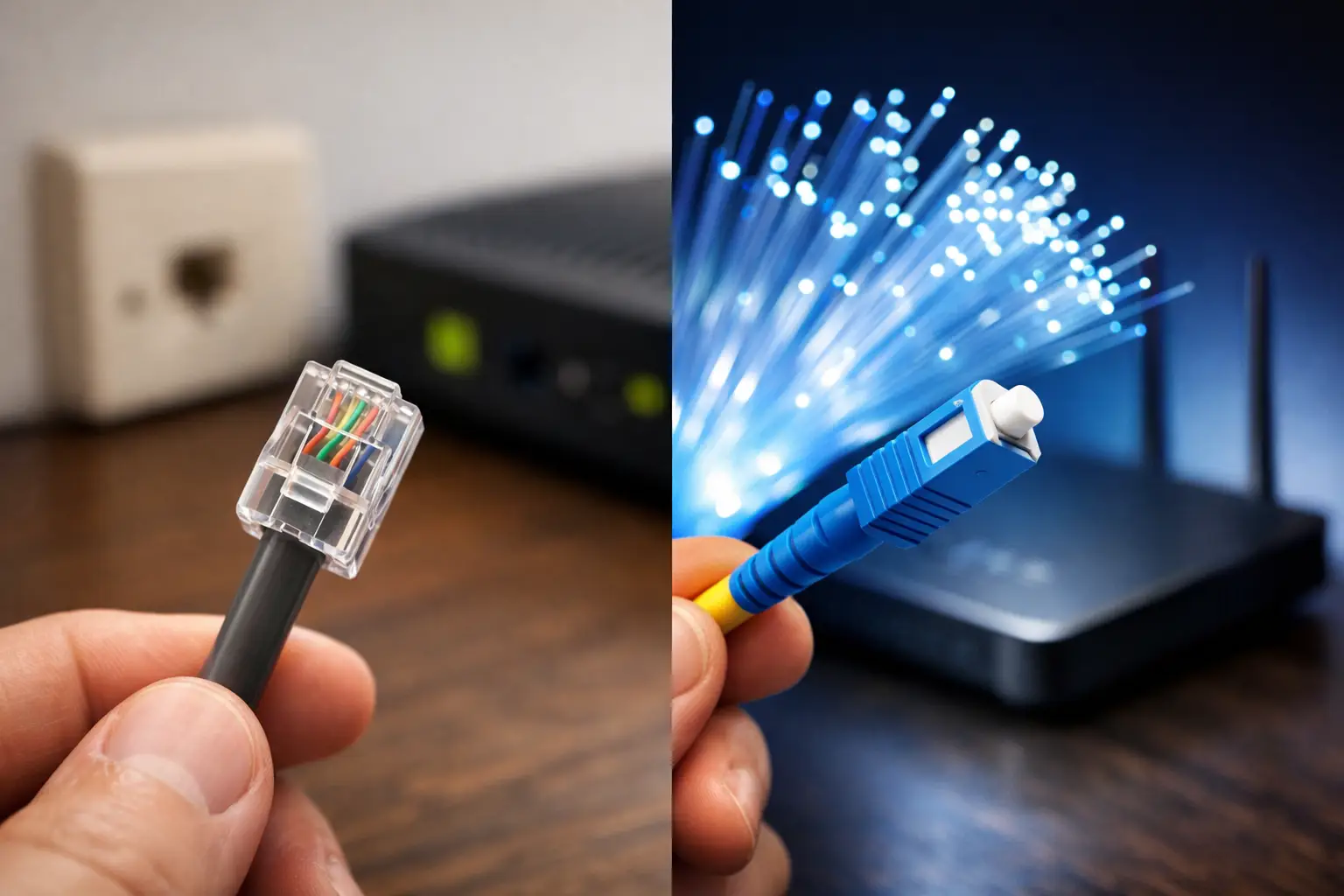
For fiber applications, the in-building access point and whether the cable reaches the apartment are important. For VDSL, copper line quality, distance to the exchange and port availability affect the result. With wireless solutions, signal coverage and the positioning of installation equipment can be decisive.
Does your modem choice affect the process?
Yes, it can. If your existing modem is compatible with the infrastructure, installation can be completed faster. If not, a new modem will be needed, which can change the schedule. With fiber and VDSL technologies in particular, device compatibility matters for activation time as much as for performance.
Choosing a modem based on price alone doesn't always pay off. A cheaper device may look attractive in the short term but can cause problems with coverage, connection stability and technical compatibility. If your home is large, many devices connect at the same time or uninterrupted service is important at your workplace, choose accordingly.
What are the advantages of applying online?
The clearest advantage is speed. You can check your address and choose a suitable package within minutes. There's less paperwork, it's easier to track your application status digitally and campaigns are more accessible.
The second key advantage is control. In face-to-face sales, you can sometimes feel pressured to decide quickly. Online, you can evaluate packages, speed options, commitment terms and add-on services more calmly. This reduces the chance of being dissatisfied later.
Another advantage is accessible support. Modern providers don't leave you on your own after you apply. They let you check your status, open technical support requests and follow your installation schedule through digital channels. With brands like Tepenet that manage digital application and support processes together, this experience runs more smoothly.
So when might the process take longer?
Being online doesn't mean every application will be completed at the same speed. The most common causes of delay are incomplete address details, an incorrect contact number, identity verification issues and infrastructure capacity checks. Sometimes people believe they've submitted a complete application, but because the apartment number or building record isn't clear in the system, an on-site check is required.
Demand during moving season can also play a role. Installation requests increase especially at the end of the month and during the summer. Even if your application has been approved, this can push the appointment back by a few days.
Expectations are different for business applications. Simply getting an office online isn't enough; details such as a static IP, backup connection, high upload requirements or a multi-user network setup may come into play. So while an online application is the first step for businesses, it's natural for more detailed planning to follow.
What should you check before applying online?
First, be clear about your needs. A home with basic use on a few devices has very different needs from a home where several remote workers are on video calls at the same time. For businesses, it's not just speed that matters, but also reliability and access to support.
Second, find out the type of infrastructure available. If fiber is available, it's usually the higher-performance choice. If not, VDSL can be a good alternative. In some areas, wireless solutions also make sense. Choosing the right package depends not just on your budget but on how you actually use the internet.
Finally, make sure your phone is reachable during the application. Installation confirmation, document approval and appointment notifications are often handled by phone. If you want things to move quickly, it helps to keep your contact channel open.
Applying for internet is no longer just about filling out a form; it's about getting the right service up and running as quickly as possible. The online channel makes this much easier. If you provide accurate information, choose the package that suits your address and keep track of the installation steps, you may be connected sooner than you think. Great internet often starts with the right application.