When choosing an internet package, the highest Mbps figure on the screen is not enough to make a decision. A sound internet service provider comparison review considers the infrastructure available at your address, your daily usage habits, the total cost and the support you will receive when you need it, all together. After all, the same package will perform differently in an office that holds frequent online meetings than in a household of four that watches films in the evening.
The right choice is not about buying the most expensive package or simply chasing a promotional price. When you choose the connection type and service model that suit your needs, you avoid unnecessary expenses and manage your connection more easily.
The first step in an internet service provider comparison review: Infrastructure
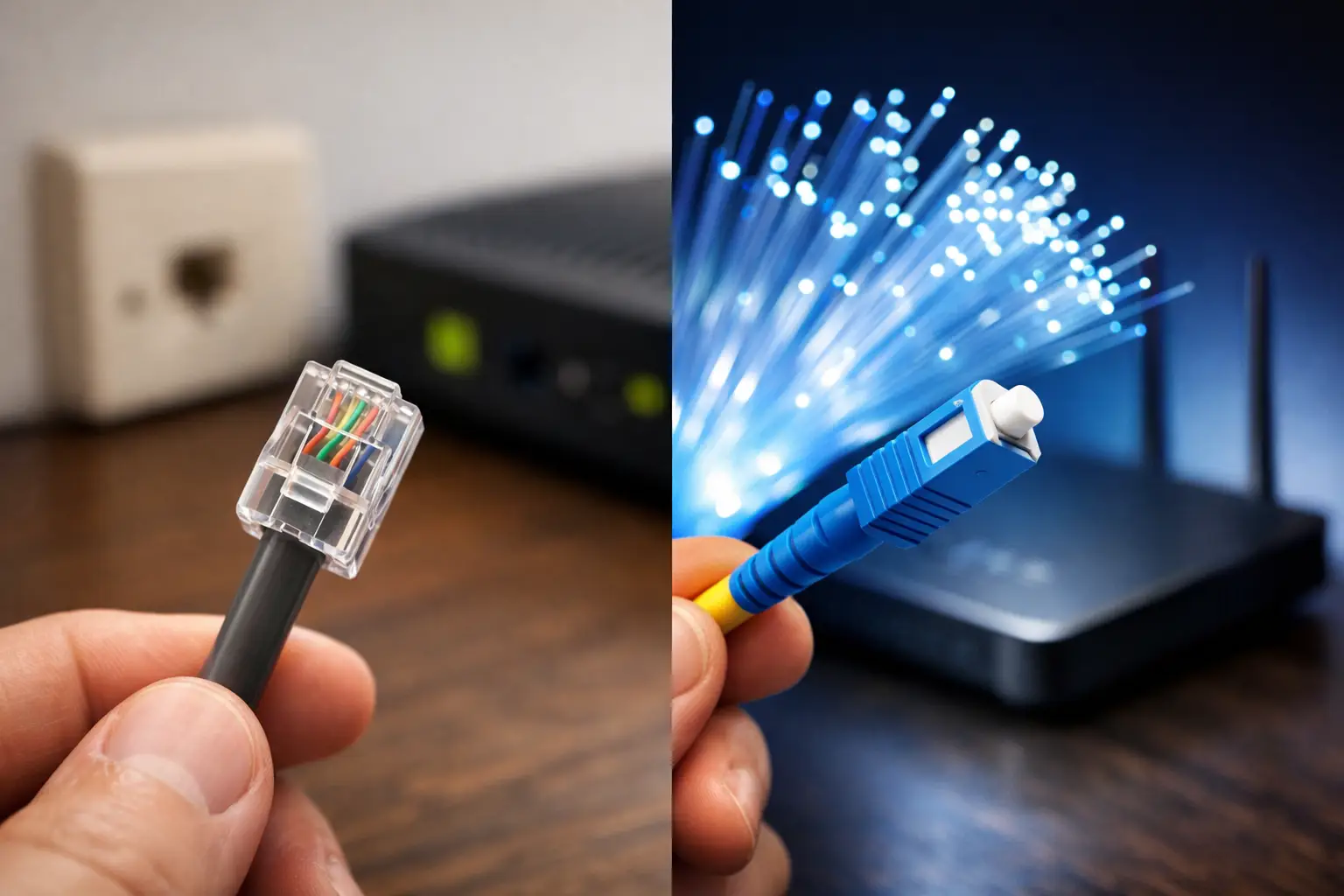
Start your comparison with an infrastructure check, not with packages. One building may have fiber infrastructure, while a few streets away VDSL or wireless internet may be the more realistic option. That is why what matters is not only the technology a provider generally offers, but also the speed and conditions under which that technology can be delivered at your address.
Thanks to its high capacity, fiber internet is a strong option for homes and businesses where several devices are used heavily at the same time. It can provide a more consistent experience for uses such as sending large files, video calls, cloud applications, online gaming and 4K streaming. However, fiber's advantage only matters when suitable infrastructure reaches all the way to the building and the apartment.
VDSL can be a good alternative in many places that fiber has not yet reached. Its performance is affected by factors such as the distance between the building and the street cabinet and the quality of the existing line. It can deliver satisfactory results for everyday home use, remote work and small offices; still, you should ask for the estimated achievable speed before applying.
Wireless internet, on the other hand, is worth considering especially in locations where fixed-line infrastructure is limited. Installation conditions, regional coverage and line of sight can affect performance. So when evaluating the wireless option, look not only at the package speed but also at how the site survey and installation process are carried out.
When choosing a speed, consider upload as well as download
The download speed in package names is usually the first figure people look at. It matters for activities such as watching films, using social media, browsing the web and downloading apps. But for people working from home and for businesses, upload speed can be just as important.
Transferring files to the cloud, monitoring camera footage remotely, sharing video in online meetings or sending design files all require sufficient upload capacity. In a home or office where many people use the connection at once, a low upload speed can make things feel slow even when the internet appears to be working.
It helps to define your needs honestly. A single person who mainly browses the web may not need a very high speed. By contrast, a home with two remote workers, children who play games and a smart TV makes higher capacity a sensible choice. Small businesses should consider POS systems, cloud-based accounting, IP cameras and a guest Wi-Fi network together.
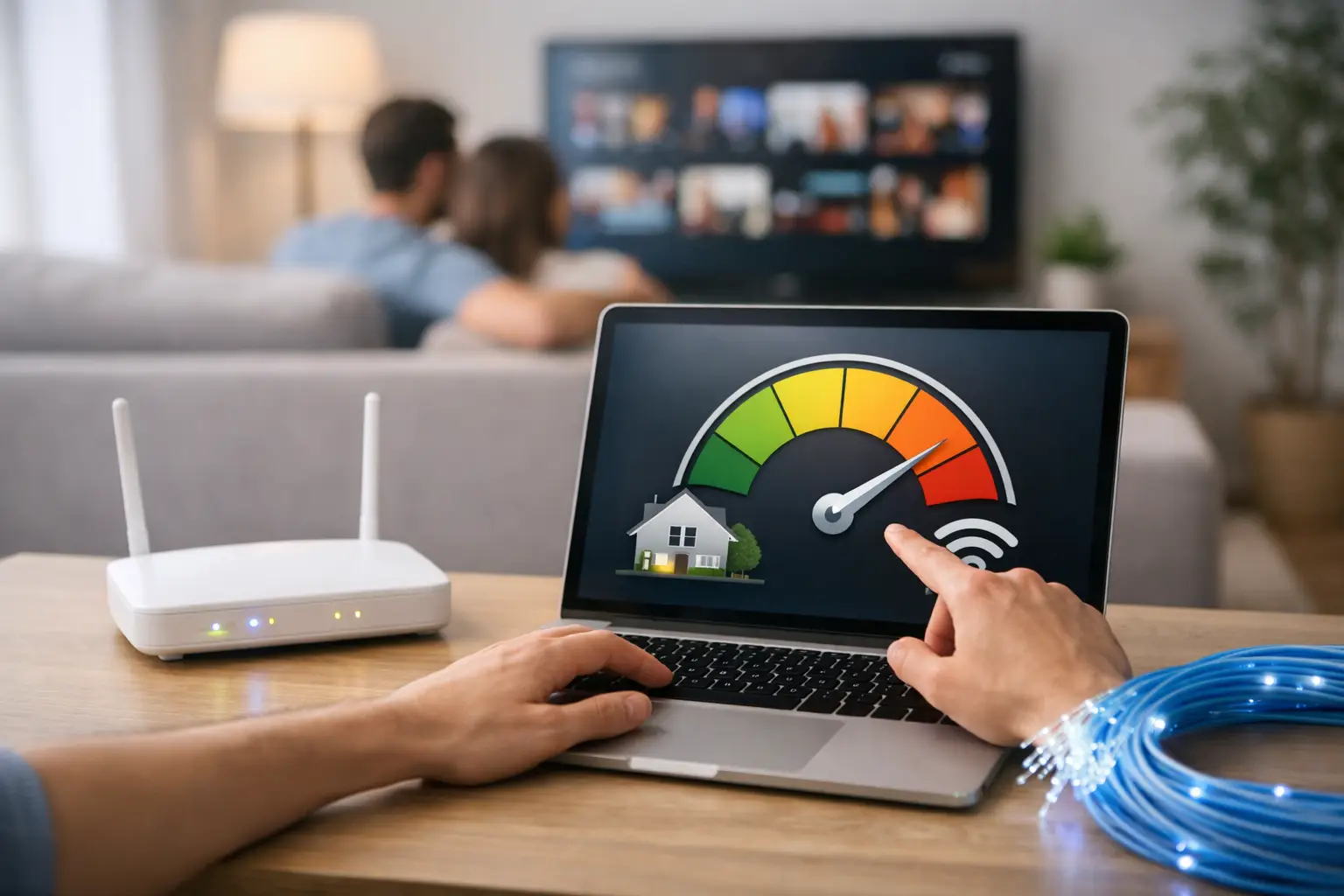
The package is not the only factor that affects speed in real-world use. The router's location, the Wi-Fi standard, the walls in your home, the capability of your devices and the number of users online at the same time can all change the result. Besides choosing the right provider, placing the router in a central spot and connecting stationary devices by cable where possible also improves connection quality.
Look at the total cost when comparing prices
Not every promotion with a low first-month fee will be the most economical option in the long run. When comparing internet service providers, check items such as activation, installation, router, relocation, equipment return and the post-promotion price alongside the monthly fee. Base your decision not on the first bill, but on the total cost over the period you plan to use the service.
Contract packages may offer a price advantage for a set period. If you know you will stay at the same address for a long time, this model can make budgeting easier. On the other hand, for those who may move, those who use the internet seasonally or users who want flexibility, no-contract or prepaid alternatives may be a better fit.
When reviewing contract terms, ask clearly about early cancellation. Whether the service can be moved to a new address if you relocate, how the process works if there is no infrastructure there, and under what conditions an early termination fee applies will directly affect your decision. These seemingly small details prevent unexpected costs later on.
Support channels prove their worth when problems arise
Satisfaction with an internet service becomes clearer when problems occur, not while the connection is working. That is why access to customer service, technical support hours and the ease of reporting a fault are key parts of any comparison. Alongside phone support, online services, a mobile app and digital application channels help you complete many tasks without waiting.
Being able to reach the support team is not enough for a good service experience. It also matters that fault reports can be tracked, planned maintenance information is shared in good time and subscription tasks can be managed online. Especially for people who depend on their connection throughout the day, uncertainty can be more frustrating than a brief outage.
Clarifying these four points before applying gives you a practical checklist:
- What type of infrastructure is available at your address, and what is the estimated speed?
- What fees apply for installation, activation and the router?
- How do the contract, cancellation and relocation terms work?
- Through which channels are technical support and subscription management handled?
A provider that gives clear answers to these questions is easier to evaluate. Your bill and service process should be explained plainly rather than in complicated terms.
Home users and businesses should not look for the same package
The right internet package for a family is usually determined by the number of devices and simultaneous use. If smart TVs, phones, tablets, game consoles and computers are all online at once, performance can drop as capacity is shared. In that case, a slightly higher speed can noticeably improve everyday comfort.
For freelancers, video call quality, upload speed and access to support during outages come first. Offices and local businesses have different needs: staff connections, a guest network, cloud systems and security cameras can all put a load on a single internet line. For connections that directly affect business operations, sharing your usage scenario when applying makes it easier to find the most suitable package.
Users living in and around Kocaeli should also take regional infrastructure differences into account. With providers such as Tepenet that offer fiber, VDSL and wireless options, an address-based check is a more meaningful starting point than a general package list. Digital applications, e-Devlet approval and online service options can also help you complete the process with less paperwork.
Run a quick balance test before deciding
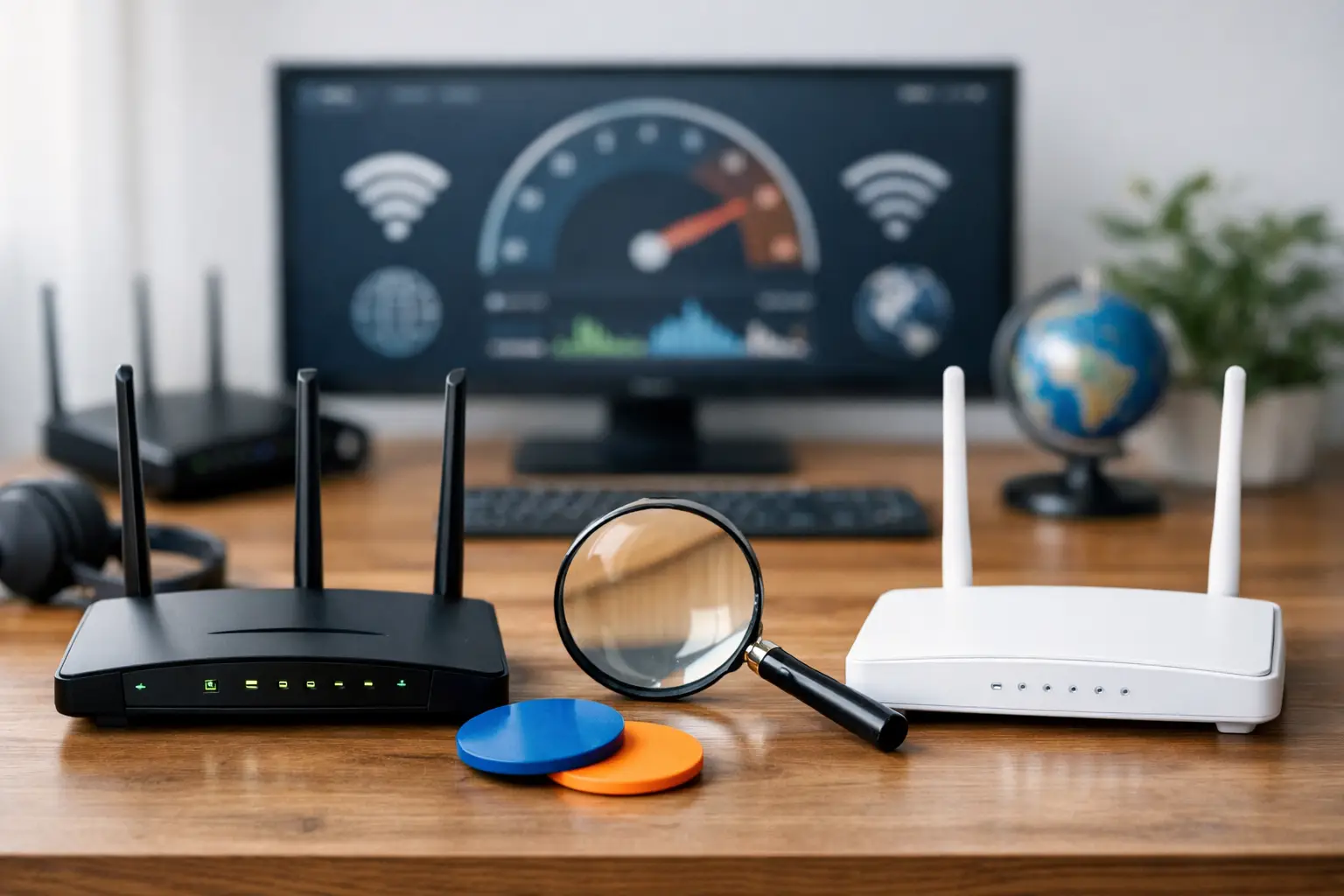
When you put the options side by side, ask yourself three questions: Does this package comfortably meet my current usage? Will it fall short if my needs grow in six months? Do the contract terms fit my lifestyle? The answers to these three questions provide a sounder decision framework than simply hunting for the highest speed or the lowest price.
For example, a very fast package with a long contract may not be a good choice for someone who will move soon. Meanwhile, a service with a more modest speed that runs reliably at your address, is easy to manage and comes with accessible support can add more value to daily life. Conversely, a business that transfers large files frequently could lose work by choosing an underpowered connection just to save money.
Read the package details without rushing, confirm the infrastructure at your address and assess your usage realistically. The right internet connection is not just the speed figure on the screen; it is the sense of control you feel as your work, your home and your daily plans carry on without interruption.