
When signing up for internet, the real question isn't just how many Mbps you need. Choosing between prepaid or postpaid internet determines how much control you have over your monthly budget, the terms under which you keep the service and how quickly you can adapt to changing needs. For someone working from home, an uninterrupted connection and the convenience of regular payments come first, while for a user with short-term needs, a no-contract setup may make more sense.
The right decision doesn't come from claiming one model is better for everyone. You need to weigh your options based on your usage habits, the infrastructure available at your address and what you expect from your internet.
Prepaid or postpaid internet: The key difference
With prepaid internet, you pay for the service before the usage period begins. The duration and scope of your package are clear; by paying, you keep the service active for the set period. This gives control to users who want to plan their spending in advance and don't want to commit to a long-term subscription contract.
With postpaid internet, you use the service and pay during the set billing period. Thanks to the ongoing subscription, you don't have to arrange a new payment every month. This model can be practical for keeping your service running, especially for families who use home internet constantly, people who work online heavily and businesses.
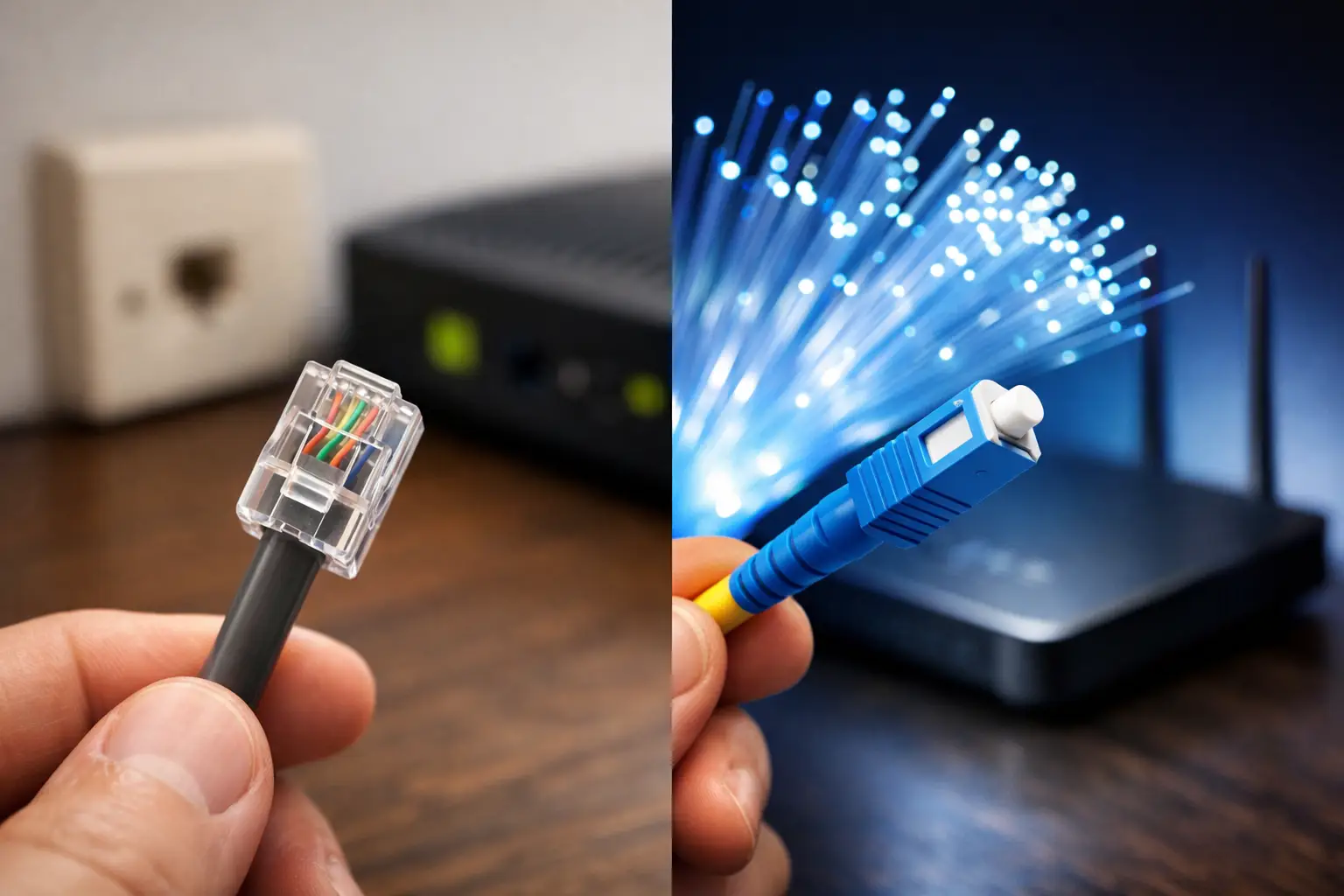
In both options, the main factors that determine connection quality are the infrastructure type, the package speed, the modem setup and how heavily the connection is used. In other words, the payment model alone doesn't make your internet fast or slow. Which of the fiber, VDSL or wireless internet options is available becomes clear when you check the infrastructure at your address.
Who is prepaid internet best for?
Prepaid packages meet the needs of users looking for flexibility. For example, if your internet needs change from time to time because you're a student, living somewhere temporarily, staying at a summer home or working on short-term projects, paying in advance can make budgeting easier. When you can predict how long you'll use the service, it eases worries about surprise bills.
This model also suits people who want their expenses settled at the start of the month. Since the internet cost is known in advance, keeping track of your monthly budget is easier. Users who manage several digital subscriptions in particular can pay for internet at the start of the period and plan their remaining payments more neatly.
That said, if you choose prepaid internet, you need to keep track of renewal dates. If an uninterrupted connection is critical for you, it's important to complete payment before your package expires. If you work from home, attend online classes or use always-connected systems such as security cameras, you shouldn't let renewals slip.
When does postpaid internet have the advantage?
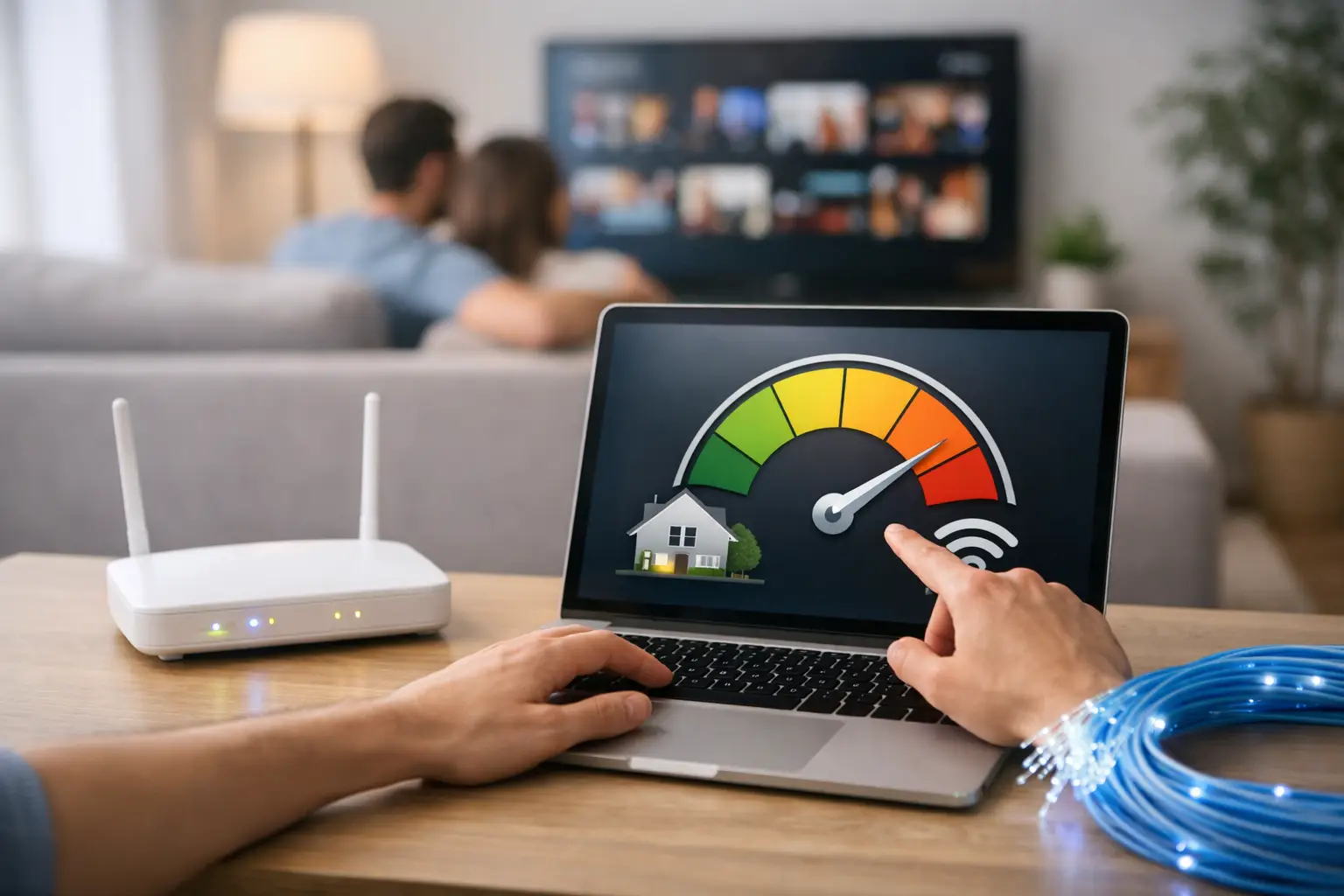
Postpaid internet is a strong option for users who see their connection as a fixed part of daily life. In heavy-use scenarios where several people at home are streaming video, gaming, making video calls or working remotely at the same time, a regular subscription keeps things simple. You can keep using your connection without needing to top up your package every period.
For small and medium-sized businesses, a fixed payment schedule also makes operations easier. In offices, cloud apps, POS systems, online meetings, camera systems and customer communication may all depend on the internet. Building the billing cycle into your accounting routine makes business expenses more predictable.
What to watch out for with postpaid plans are the terms of promotions, contracts and add-on services. Not every package offers the same level of flexibility. Before applying, it's wise to check which period the monthly fee applies to, any contract length, installation terms and options for changing packages. A price that looks attractive may not deliver the advantage you expect if it comes with a long contract that doesn't fit your usage habits.
Don't decide on price alone
The monthly fee is of course an important factor when choosing internet. However, if a cheap-looking package isn't fast enough for the number of people in your home, it can lead to greater dissatisfaction over time. The connection needed in a three-person household where, in the evening, one person is streaming a series, another is in a video meeting and another is gaming is not the same as one person checking email and social media.
So think about your usage profile first. How many people use the internet, what are they doing at the same time, how important is upload speed and how much would a dropped connection disrupt your daily routine? These questions help you determine the package capacity you need before you choose a payment model.
For example, for a freelance designer, upload speed and connection stability may matter more than download speed alone. A local business needs customer Wi-Fi, the checkout connection and camera systems all working at once. For family use, too, a more balanced speed becomes important as the number of devices grows.
Infrastructure and support are part of the choice
Whether you go prepaid or postpaid, the right infrastructure is the foundation of a good service experience. Fiber can be a strong option for high speeds and heavy use. VDSL can deliver efficient results for everyday home and office use at addresses where suitable infrastructure exists. In areas where wired infrastructure is limited, wireless internet solutions are worth considering.
An easy application process also directly affects your decision. Being able to use digital channels to check address availability, compare packages, complete your subscription and manage your service saves time. When you can track payments, view package details and handle support requests through a mobile app or online, your subscription stops being a chore in your daily life.
Accessible technical support is especially important. Getting quick guidance with modem setup, wireless network settings or connection problems noticeably improves your internet experience. With a provider like Tepenet that offers digital applications and 24/7 support channels, you should evaluate not just the package but also the service you can reach when you need it.
How do you choose the right model for you?
When deciding, first clarify whether your internet use is constant or occasional. If you need a regular, heavy-use connection every month, the steady payment flow of postpaid internet may suit you better. If you use the internet during certain periods, want to avoid contracts or want to fix your spending in advance, prepaid options may be a better fit.
Second, check whether the package truly meets your needs. Instead of focusing only on the promotional price, consider details such as speed, any data limits, the installation process and access to support together. If a connection outage is costly for your business or home, continuity and support quality should be top priorities.
Finally, remember that your choice can change. Moving, more people in your home, switching to remote work or your business using digital tools more heavily can all change your internet needs. Choose the package that fits your budget and usage today, and when your needs change, be sure to request a quote to review new options suited to your infrastructure.