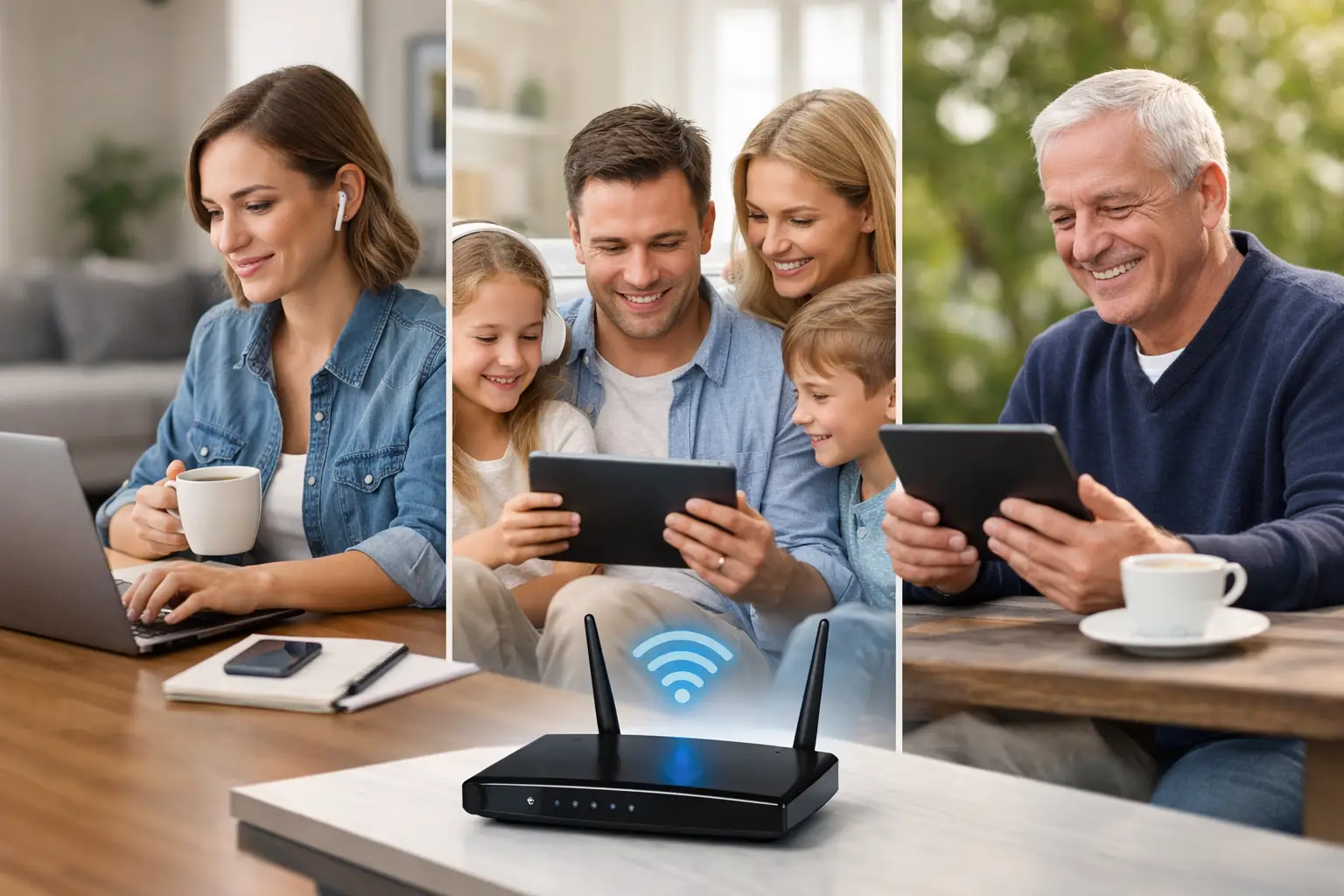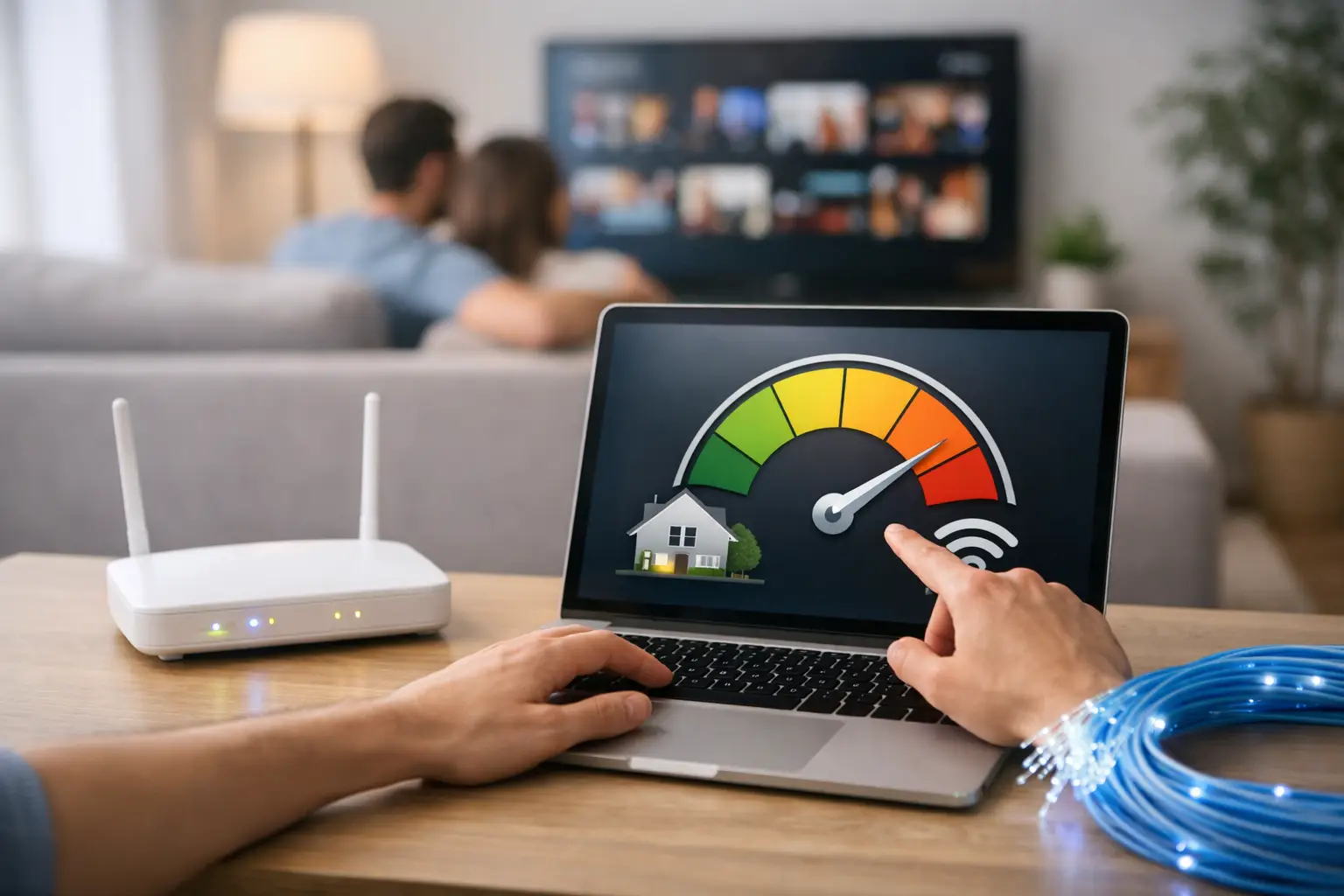
When someone is on a video call at home while the kids are watching videos and files are uploading and an online game is running at the same time, your internet connection needs to be not just fast but balanced. VDSL internet is one of the options that provides high speeds and convenient access in many places where fiber infrastructure hasn't yet reached the building or home. However, looking only at the advertised download speed isn't enough to choose the right package.
VDSL runs over existing telephone line infrastructure and offers higher speed potential than ADSL. You can really feel the difference in everyday use, such as page loading, video streaming, remote work and connecting multiple devices at once. Still, the actual speed you get depends on the infrastructure at your address, the wiring inside your building, your modem's capacity and the distance between your line and the exchange.
How does VDSL internet work?
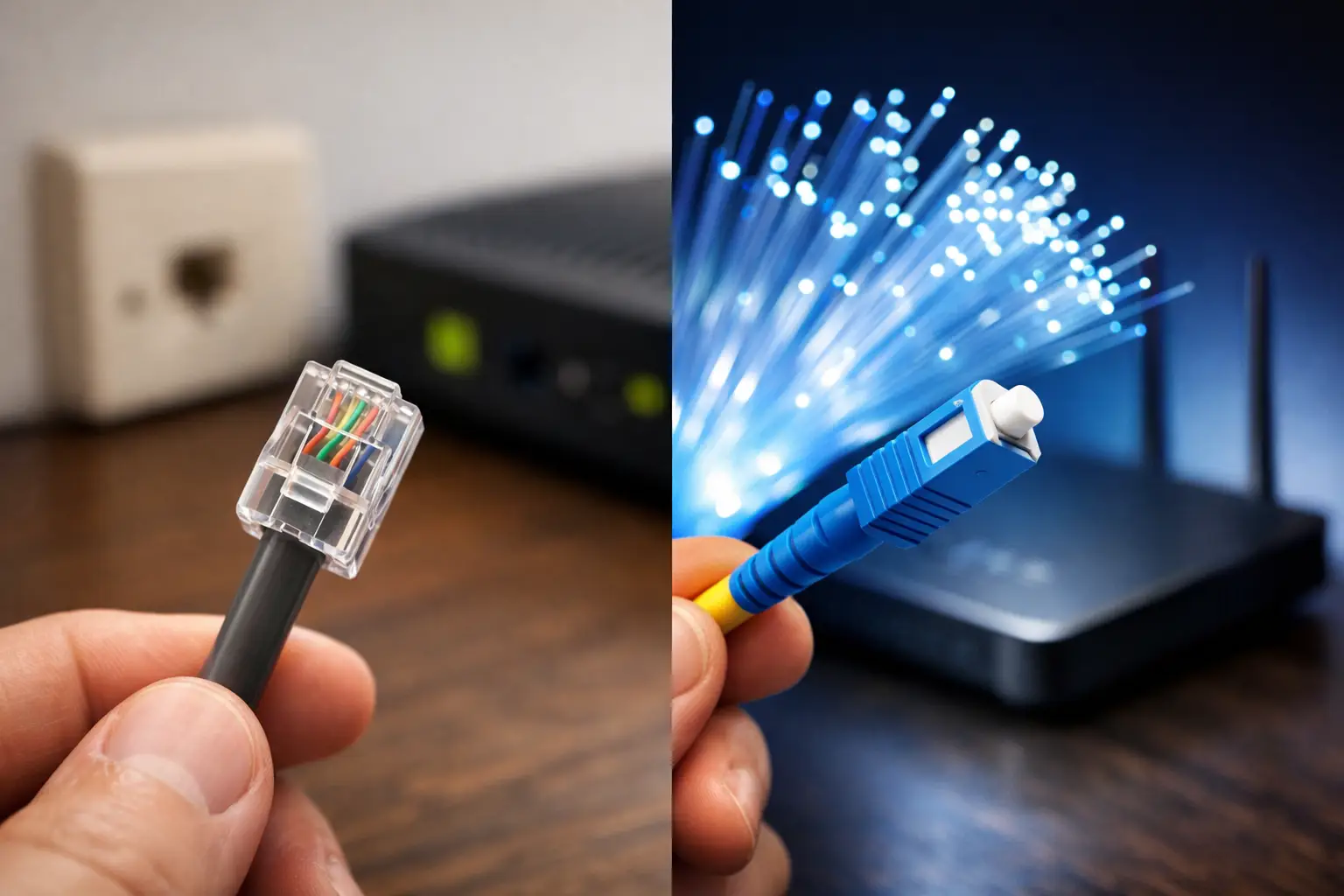
VDSL stands for "Very-high-bit-rate Digital Subscriber Line." The connection is usually delivered over existing copper telephone cables. Fiber cable runs up to a certain point, and copper cable is used for the final stretch. This setup makes it possible to reach higher data transfer speeds compared to ADSL, which runs entirely on copper infrastructure.
The main advantage of this technology is that, where the existing infrastructure is suitable, it can deliver a better connection experience without waiting for extensive new cabling. For someone working from home, that can mean smoother meetings; for families, the ability to stream content on several screens at once; and for small businesses, the capacity to run daily digital operations.
With VDSL, however, distance is a critical factor. Generally, the closer the line is to the street cabinet or exchange, the higher the connection potential. That's why two neighbors can get different results even after signing up for the same package. The package speed represents an upper limit; the speed supported at your address is confirmed through an infrastructure check.
Who is VDSL internet a good option for?
VDSL is a strong alternative for households that use the internet actively but don't have fiber access at their address. If you use social media, online learning, streaming platforms, video calls and cloud-based apps throughout the day, switching from ADSL to VDSL can make a noticeable difference.
For freelancers and remote professionals, connection stability matters just as much as speed. Email traffic, online meetings, downloading project files and web-based work tools can all run efficiently over VDSL with adequate infrastructure support. In small offices, the number of employees, guest network use and cloud backup habits should also be taken into account.
For local businesses, VDSL can be suitable for POS systems, online ordering panels, email, remote access to camera footage and basic cloud applications. On the other hand, businesses where many users send large files simultaneously, stream live continuously or run critical server services should also consider fiber or business connection options.
When choosing a speed, consider upload as well as download
When evaluating an internet package, most people focus only on the Mbps figure. But if your needs aren't clearly defined, even a package that looks fast may fall short of expectations. For example, users who stream in 4K, download games and make video calls at the same time need higher download capacity. For users who upload files to the cloud, create content or monitor security camera footage remotely, upload speed becomes important too.
The number of devices in your home directly affects this calculation. Scrolling social media on a phone doesn't use the same bandwidth as streaming high-resolution content on a TV. In a home where a smart TV, game console, tablet, computer, smart camera and phones are all connected at once, the load on the connection can increase quickly.
Clearly answering three questions will make your decision easier: How many people connect to the internet at the same time, when is usage heaviest, and how often do you do tasks that require uploading? These answers reduce the risk of dealing with slowdowns from too little speed or paying for a package faster than you need.
Factors that affect VDSL performance
Your address's infrastructure is the most fundamental factor, but conditions inside your home can also change your connection experience. Old, worn-out or unnecessarily extended telephone cables can degrade signal quality. Placing the modem as close as possible to the connection point and having the wiring checked can help.
Don't overlook your choice of modem either. A modem that doesn't support VDSL or runs on older standards can limit your line's potential. On the wireless side, no matter how good your modem is, walls, floors, metal surfaces and the density of neighboring networks affect the Wi-Fi signal. If your internet speed is good but the connection weakens between rooms, the problem may not be your line but your in-home wireless coverage.
In that case, it helps to place the modem in a central, open spot, connect heavily used devices via Ethernet cable where possible, and consider an additional access point or mesh system in larger homes. A wired connection gives more stable results, especially for online gaming, meetings or large file transfers on a desktop computer.
What is the difference between VDSL and fiber?
Fiber internet carries data over optical fiber cables. As a result, it has the potential to deliver high speeds, low latency and greater capacity, especially for uploads. If the infrastructure is available, fiber may be the first choice for heavy-use households and businesses with intensive digital operations.
VDSL, on the other hand, offers an accessible solution in locations where fiber hasn't reached or isn't yet active. There's no single right technology for every user. In a home with one or two people that's mainly used for streaming, social media, remote learning and everyday work, VDSL on good infrastructure can often deliver sufficient performance. However, if you regularly stream in 4K, have multiple gamers, create content or upload large amounts of files, it makes sense to check whether fiber is available.
The right approach is to evaluate the technology not by its name, but by the speed available at your address and your usage habits. Decisions made without an infrastructure check can create a gap between expectations and the actual experience.
What to check before applying
If you're considering a VDSL connection, the first step is to find out the infrastructure supported at your address and the speed you can achieve. Then determine how many devices will be used at home or at work. Checking whether your current modem is VDSL-compatible will also help you avoid unexpected issues during installation.
The contract term, installation conditions, modem options, the possibility of relocating your service and technical support channels are also part of the decision. Flexibility may matter for users who move often. For businesses, quick access to support and the process followed when there's a connection issue are just as valuable as the monthly fee.
With service providers like Tepenet that offer digital application and online service options, tracking your subscription steps and managing your service from a single place becomes more convenient. Reviewing the infrastructure result together with the package features when applying helps you make a choice that fits your needs.
If your connection is slow, try these first
When your connection slows down, switching packages isn't always the solution. First, turn off your modem, wait a short while and turn it back on. Then run the same test over Wi-Fi and, if possible, over an Ethernet cable. If the wired connection is noticeably better, the area to focus on is your wireless coverage.
Apps that are downloading, automatic cloud backups and updates can also temporarily tie up the line. If many devices are connected to the modem, check which ones are using a lot of data. If the problem persists, the line values in your modem interface and your service provider's technical support can help determine whether the issue stems from the infrastructure or the wiring.
A good VDSL experience comes from the right package along with proper installation and accessible support. Find out the infrastructure at your address and assess your usage honestly; that way, your internet becomes a reliable tool that speeds up your work rather than an obstacle in your daily life.